Follow us

Search
For health professionalsContact usPress Enter to search. For products, try the shop filter.
 (08) 6110 0570
 admin@pdchealthhub.com.au
Press Enter to search. For products, try the shop filter.
(08) 6110 0570admin@pdchealthhub.com.auMost back pain is not caused by serious disease, and most episodes improve within weeks. Staying active and a guided exercise plan are the first steps.
Back pain (low back pain) is very common. About 4.0 million Australians, or 16%, were living with back problems in 2022.1 In most cases the pain is non-specific, meaning no single cause can be pinpointed but it is not serious, and fewer than 5% of cases have a serious underlying cause.2 Most episodes improve within weeks.2 Scans often show age-related changes that do not explain pain, so imaging is not routinely needed early.3 Pain that lasts beyond six weeks or affects sleep and daily activities is worth discussing with your doctor.3
The Australian Low Back Pain Clinical Care Standard sets out the approach physiotherapy supports: check for serious causes and factors that slow recovery, explain what is happening, encourage a return to normal activity, and match physical or psychological strategies to your needs.4 Imaging, bed rest and surgery have limited roles in most cases.5 UK NICE guidance adds that exercise programs are recommended, manual therapy only as part of a package that includes exercise, and that acupuncture, ultrasound and TENS are not.6
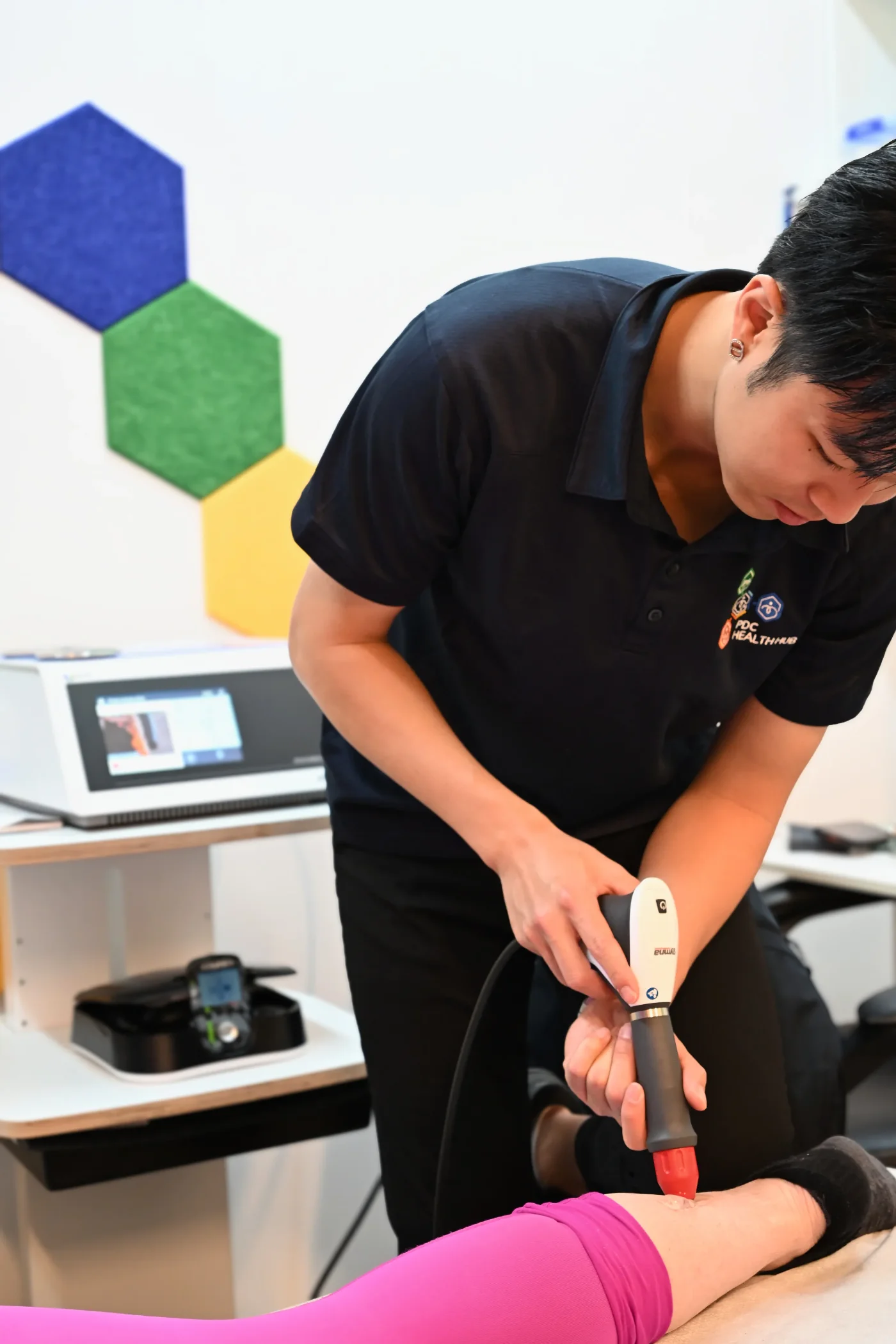
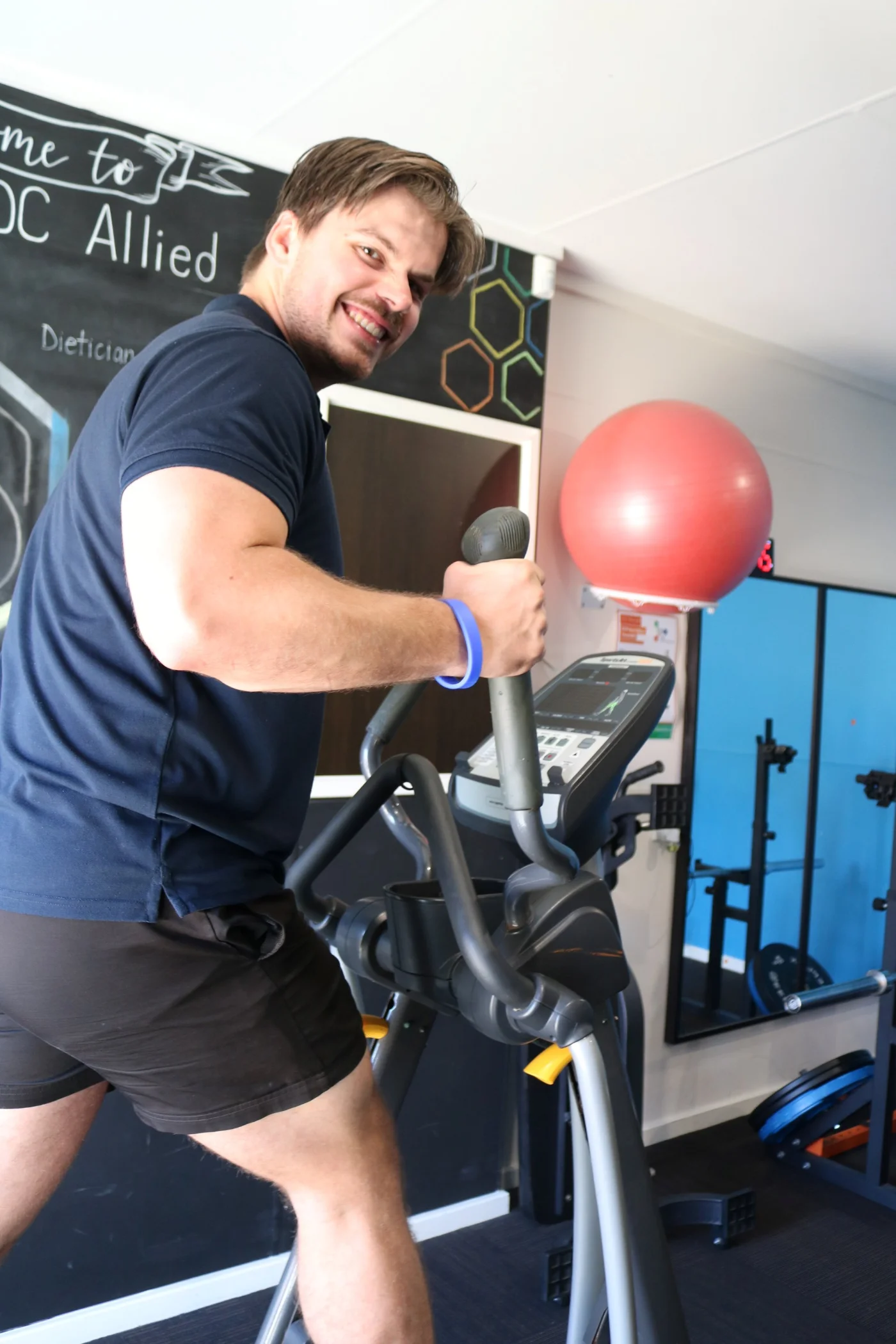
PHOTO NEEDED · Add a Hero Image to this condition in the CMS: a PDC clinician with a client, natural light, no identifiable health information on screen
Symptoms are a guide, not a diagnosis. Your GP confirms the diagnosis; our team helps you manage it day to day.
The teams and services that most often support people with this condition. They work from one shared plan, and one GP referral reaches all of them.
Our care follows the ACSQHC Low Back Pain Clinical Care Standard and current Australian physiotherapy guidance.
Usually not. Scans are generally kept for when a serious cause is suspected, and they often show age-related changes that do not explain your pain, which can cause worry and unnecessary treatment.<sup>2</sup> We screen for warning signs and refer if needed.
No. Bed rest should be avoided. Keep doing your normal daily activities as much as you can and return to work as soon as you are able, rather than waiting for the pain to disappear completely.<sup>2</sup> We help you find a comfortable level to start.
Usually not. Fewer than 5% of cases have a serious underlying cause.<sup>2</sup> At your first visit we ask about and check for warning signs, such as bladder or bowel changes, leg weakness or numbness, fever or unexplained weight loss, and refer you urgently if needed.
Most episodes improve within weeks.<sup>2</sup> See your doctor if pain lasts beyond six weeks or affects your sleep and daily life.<sup>3</sup> Pain can return, so we also focus on strength, confidence and a plan for flare-ups.
No referral is needed for private appointments. With a GP Chronic Condition Management Plan, Medicare rebates apply to up to five eligible allied health services a calendar year. Back pain from work may be covered by workers compensation, and private health extras can also apply.
Tell us what is going on and we will point you to the right discipline, or to more than one. Most people start with a single appointment and leave with a plan the rest of the team can see.
Or go straight to a service
Phone (08) 6110 0570 · Medicare, NDIS, DVA and private options across our services
For GPs and health professionals
Send an online referral in under two minutes. One referral reaches every discipline at PDC Health Hub.