For health professionalsContact us(08) 6110 0570admin@pdchealthhub.com.au
Diabetes and chronic conditions
Video or phone
Same Medicare rebate
No app to download
Home

›

Services

›

Telehealth

Telehealth for Diabetes and Chronic Conditions

See a dietitian, exercise physiologist, physiotherapist, pharmacist or Credentialled Diabetes Educator by video or phone, wherever you are in Australia. Diabetes, heart and lung conditions, kidney disease, gut and bowel conditions, arthritis, persistent pain, weight, sleep and more. Same clinicians, same shared care plan, same Medicare rebate as an in-clinic visit.

Teams you can see by telehealth

Six disciplines, one team, one shared care plan. Between them they cover most of the conditions we support, not only diabetes. If your condition is on our conditions list, there is almost certainly a telehealth appointment that fits it.
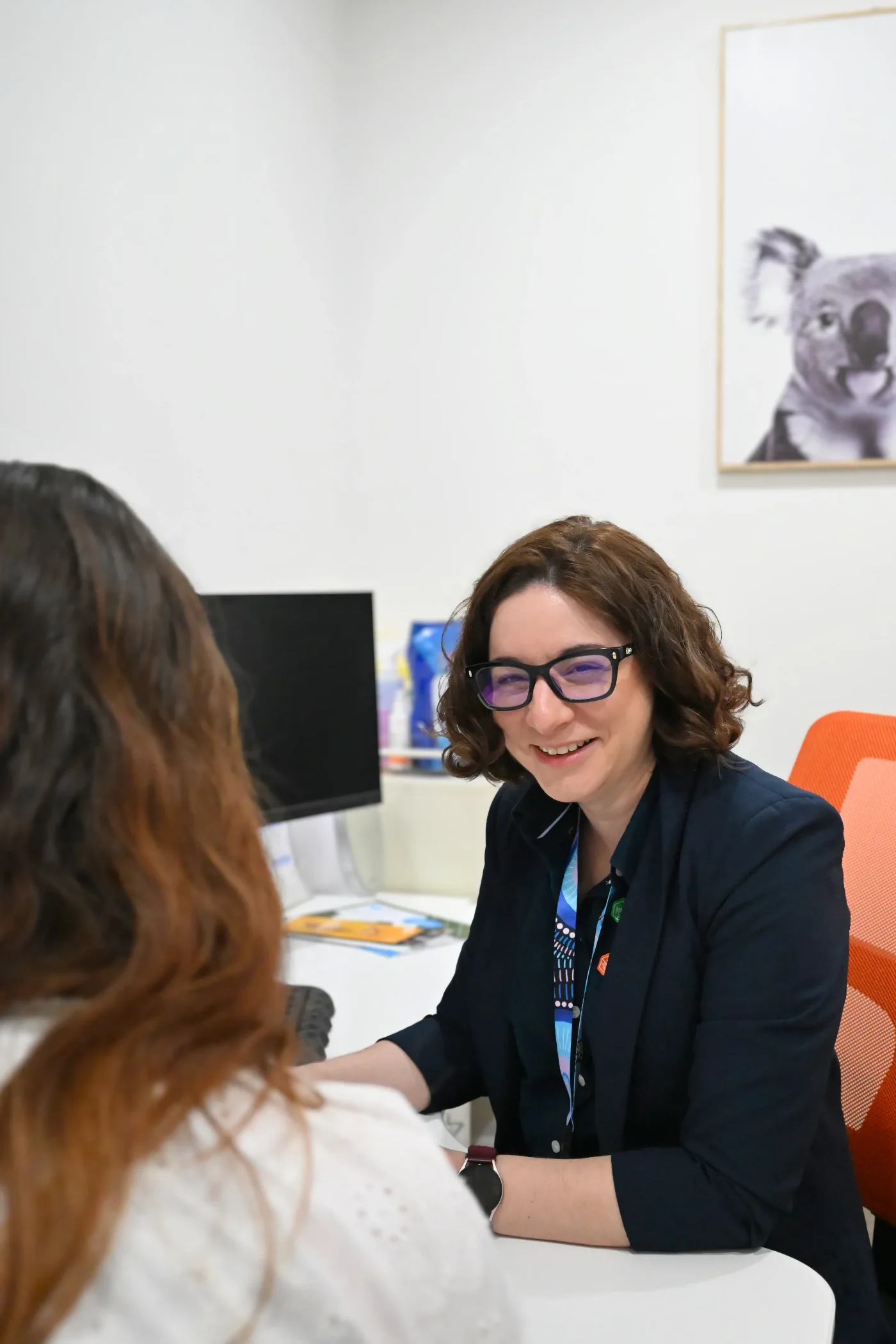
PHOTO NEEDED · Credentialled Diabetes Educator on a video call, pump and sensor data on the screen beside her
View diabetes education
Telehealth
Diabetes education
All types of diabetes: newly diagnosed education, carbohydrate counting, insulin adjustment, CGM and pump data reviews, sick day planning, gestational diabetes and NDSS forms.
Read more
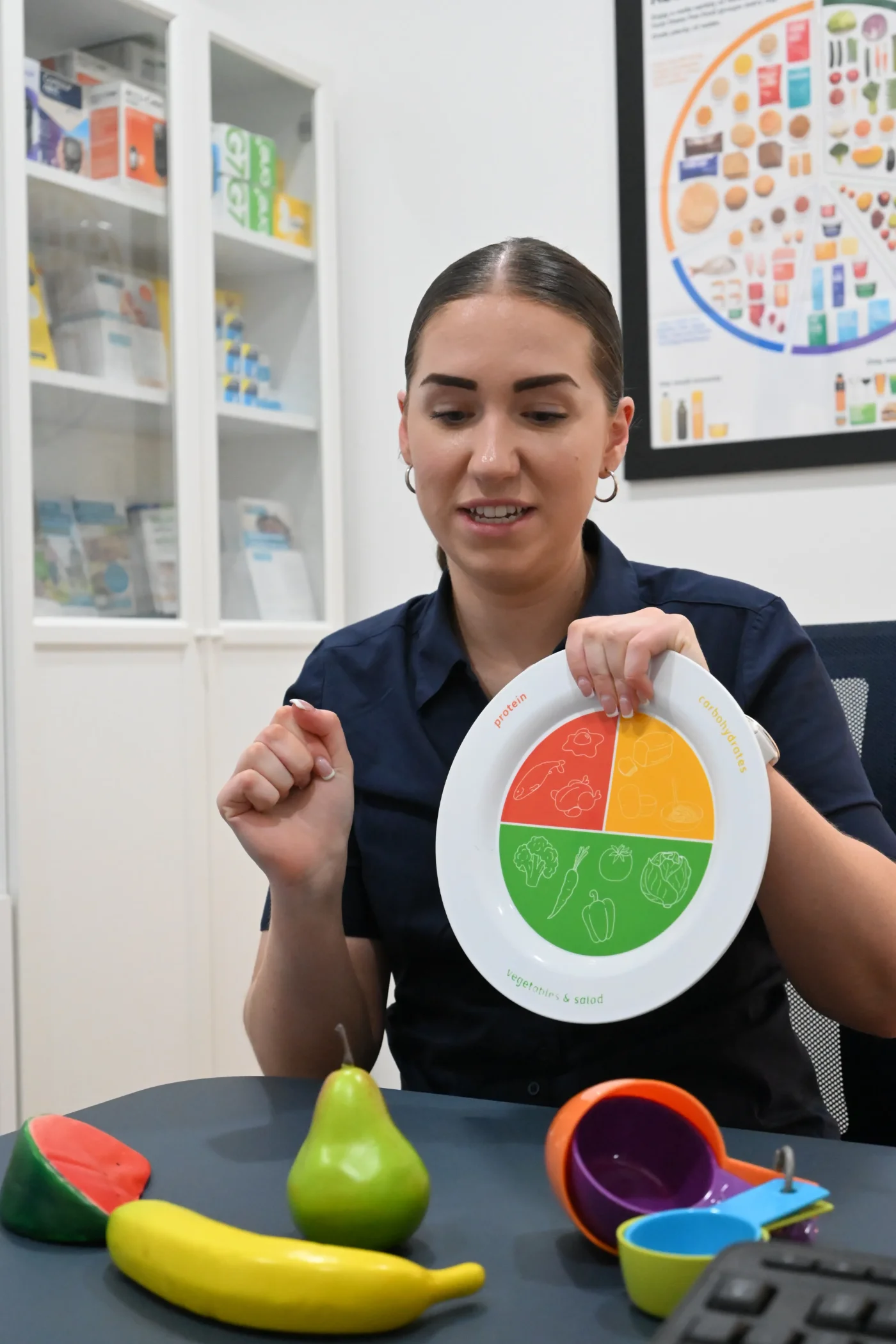
PHOTO NEEDED · Accredited Practising Dietitian talking with a client on screen, food model and notes on the desk
View dietetics
Telehealth
Dietetics
Diabetes, heart health and cholesterol, kidney disease, coeliac disease, gut and bowel conditions, food allergy, iron deficiency, weight and eating plans.
Read more
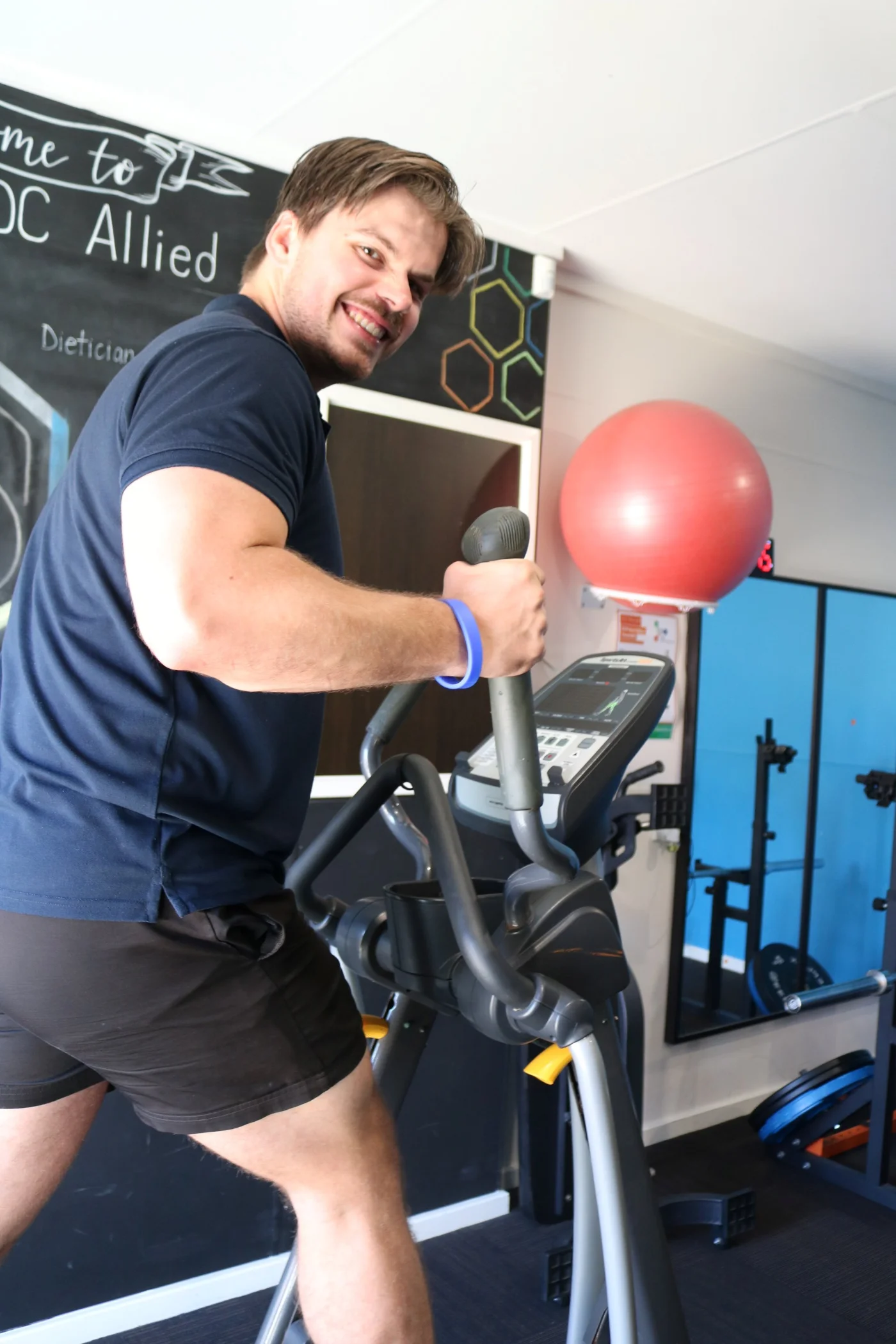
PHOTO NEEDED · Exercise physiologist demonstrating an exercise to a camera, client visible on the laptop
View exercise physiology
Telehealth
Exercise physiology
Exercise for diabetes, heart and lung conditions, cancer treatment, arthritis, osteoporosis, neurological conditions and getting back to strength after illness.
Read more
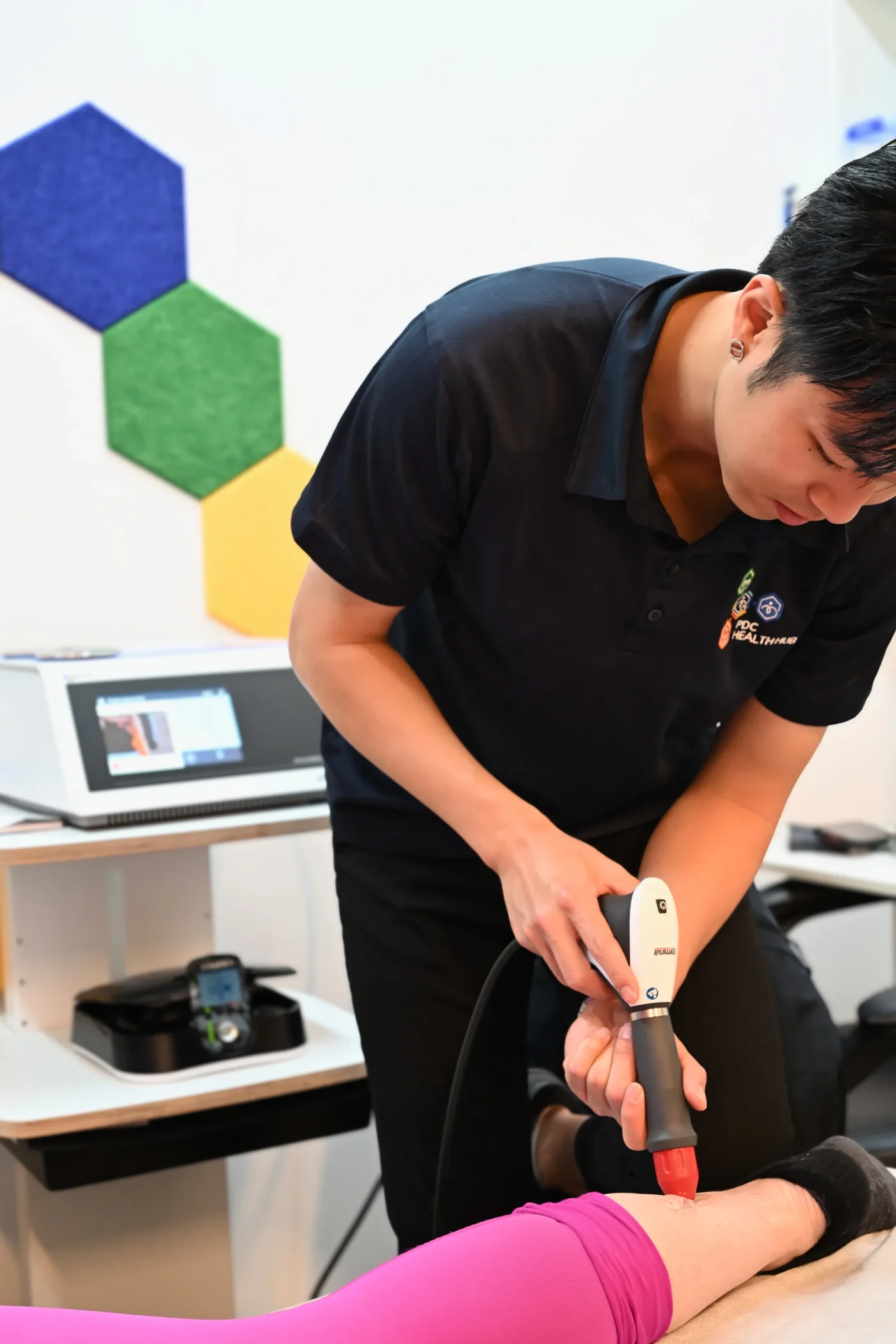
PHOTO NEEDED · Physiotherapist watching a client move on screen and taking notes
View physiotherapy
Telehealth
Physiotherapy
Review appointments for back, neck, joint and soft tissue problems, persistent pain, post-surgical rehabilitation, and return to work or sport planning.
Read more
PHOTO NEEDED · Pharmacist on a video call holding an insulin pen, showing technique
View pharmacy
Telehealth
Pharmacy
Medicines advice for any condition: how they work together, side effects, injection technique, sick day plans, and deprescribing conversations with your GP.
Read more
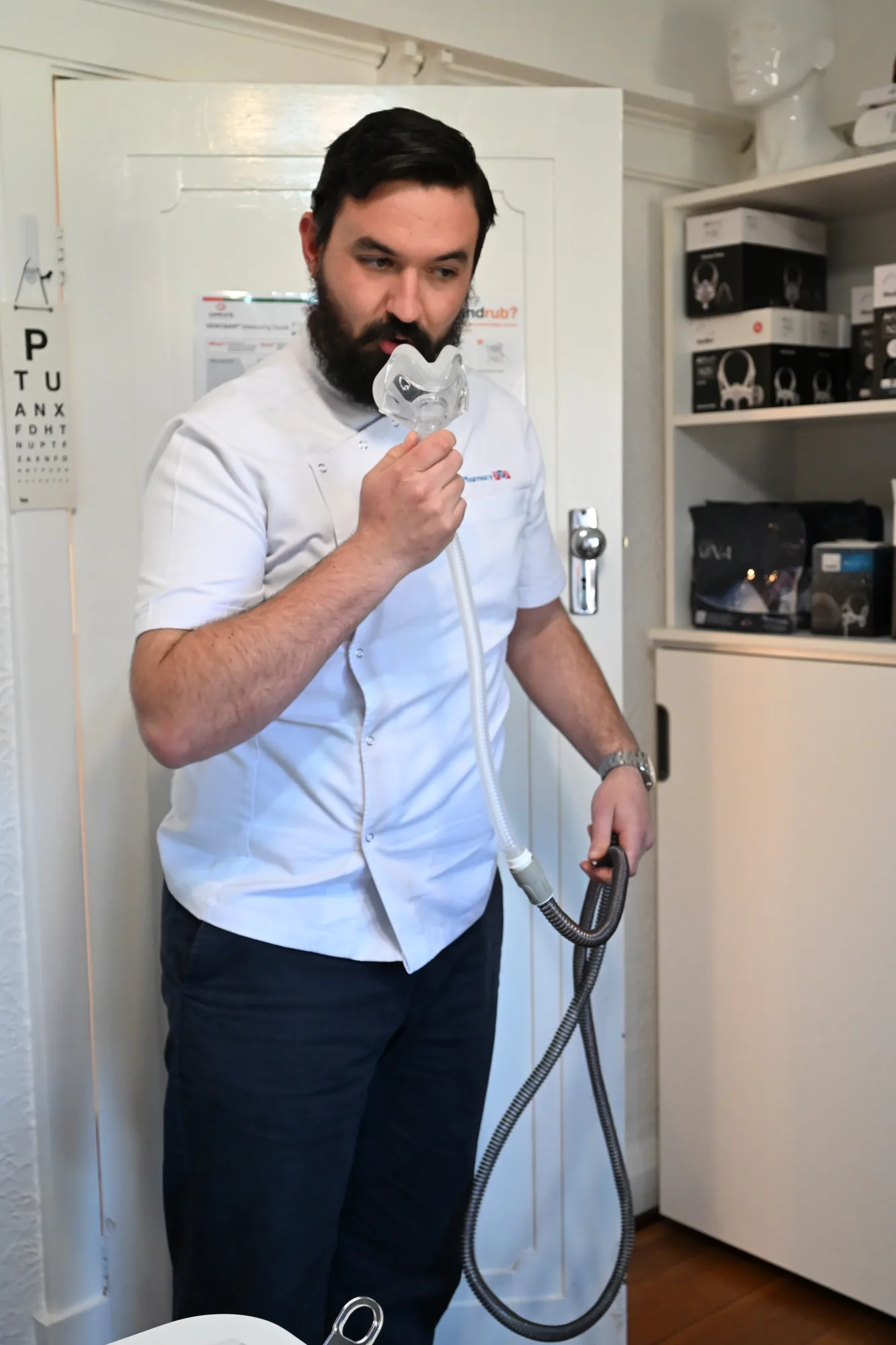
PHOTO NEEDED · Clinician reviewing CPAP therapy data on a screen during a video call
Pharmacist holding CPAP tubing and mask
View sleep clinic
Telehealth
Sleep clinic
CPAP data reviews and therapy troubleshooting once your machine is set up. Mask fitting and home sleep studies are done in clinic.
Read more

What works by telehealth, and what does not

For a lot of what our teams do, which is education, planning, reviewing numbers and adjusting a plan, a video call does the job as well as a room does, whatever the condition. Where a service genuinely needs hands or equipment, we say so rather than stretching the definition.

What you need
How we see you
Why
Education and planning
Video or phone
Education about any condition, eating plans, exercise programs, medicines advice and self-management planning all work on a screen.
Reviewing your numbers
Video
Glucose, CGM, pump, blood pressure and CPAP data are shared from your app or device, so your clinician sees the same screen you do.
Follow-up and progression
Video or phone
Reviews after an in-clinic start, adjusting a plan, and return to work or sport planning.
Podiatry assessment
In clinic
Foot checks, circulation and nerve testing, nail and skin care, wound care and orthotic casting need hands and equipment.
Home Medicines Review
In your home
The programme requires the review to happen face to face in your home, apart from special circumstances approved in advance.
CPAP fitting and sleep studies
In clinic
A mask has to be fitted on your face, and a home sleep study needs the equipment put in your hands first.
First physiotherapy assessment
In clinic, usually
Hands-on testing tells us more at the first visit. Reviews after that work well by video.
Have ready for your appointment
Your numbers
Glucose meter, CGM or pump app, and recent blood results
Your medicines
A list, or the boxes themselves
Somewhere quiet
A private spot with reasonable light and a steady connection
Your questions
Written down beforehand, so nothing gets forgotten
Good to know
Joining
We email a link. No app to download and no account to create
Length
The same as the in-clinic appointment, usually 45 to 60 minutes first, 30 to 45 for a review
If it drops out
Your clinician rings your mobile and finishes the appointment by phone
Afterwards
A letter to your GP, and notes in the shared plan the rest of our team can see

What it costs, and what Medicare covers

Telehealth allied health appointments are claimed under their own Medicare items, and the rebate is the same as the in-clinic equivalent. There is no extra charge for seeing us this way. The Medicare pathway is for people with a chronic condition and a GP management plan. Without one, you are very welcome privately.

How you are funded
What applies
What you need
Medicare, video
What applies
Item 93000
What you need
A chronic condition, a GP chronic condition management plan prepared or reviewed in the last 18 months, the service recommended in it, and a GP referral. As at the July 2026 schedule the fee is $74.55 and the benefit $63.40, the same as an in-clinic visit.
Medicare, phone
What applies
Item 93013
What you need
The same requirements. Video is the preferred option and phone is for when video is not available to you.
Private
What applies
You pay the fee
What you need
No referral, no plan and no chronic condition needed. This is the pathway for an acute problem, a one-off question, or anyone without a management plan. Our care team tells you the fee before you book.
NDIS, DVA, private health
What applies
Varies
What you need
Each has its own telehealth rules. Call us with your plan or card details and we will check what applies before your appointment.

The Medicare appointment has to run at least 20 minutes, be one to one, and your clinician has to write back to the referring practitioner. The limit is five allied health services a calendar year, shared across every discipline and counted together whether you attend in clinic, by video or by phone. We confirm any out-of-pocket cost with you before the appointment, never after it.

Where we can see you

Our clinics run from metropolitan Perth to Kojonup in the Great Southern, and telehealth reaches everywhere else.

Western Australia
Perth metro
In clinic at East Victoria Park, Bedford, Canning Vale, Joondalup, Kalamunda, Midland, Murdoch and Palmyra, or by telehealth if that suits you better
Great Southern
In clinic at Kojonup, and by telehealth in between visits
Regional and remote
By telehealth anywhere in the state, including on a roster or a site
The rest of Australia
Appointments
By telehealth. Our clinicians are registered to practise nationally
Supplies
NDSS consumables, CGM sensors and pump supplies posted anywhere in Australia through BlueLoop
NDSS forms
Our Credentialled Diabetes Educators can complete your access forms during a telehealth appointment
Not sure?
Call (08) 6110 0570 and we will tell you straight whether we can help from where you are

Common questions about telehealth at PDC Health Hub

The things people ask our care team most often before booking.

Do I need a referral?
+

Not for a private appointment. You need a referral and a GP chronic condition management plan only if you want to claim the Medicare rebate. Our care team can check before you book.

Is the rebate smaller for telehealth?
+

No. The allied health telehealth items carry the same Medicare benefit as the in-clinic items, and telehealth appointments count towards the same five services a calendar year.

What technology do I need?
+

A phone, tablet or computer with a camera and a reasonable internet connection. We email you a link and you open it. There is nothing to download and no account to set up. If video will not work on the day, we can finish by phone.

Can I see the same clinician each time?
+

Yes, and most people do. Tell our care team who you usually see and we will book you with them. If you are seeing more than one of our disciplines, they all work from the same shared plan, so you do not repeat your story.

Can my first appointment be by telehealth?
+

For diabetes education, dietetics, exercise physiology and pharmacy, yes. For physiotherapy a first assessment usually works better in person, and podiatry assessment has to be in clinic. If telehealth is not the right starting point for what you need, we will say so when you book.

Can a family member or carer join?
+

Yes, and it often helps. They can sit with you or join from their own device. Tell us when you book so your clinician knows to expect them.

Is it private?
+

A telehealth appointment is held to the same privacy obligations as any other appointment, under the Privacy Act 1988 and the Australian Privacy Principles. Sessions are not recorded. Your clinician will be somewhere private at their end, and it is worth finding somewhere private at yours.

Can I get my NDSS supplies if I am not in Perth?
+

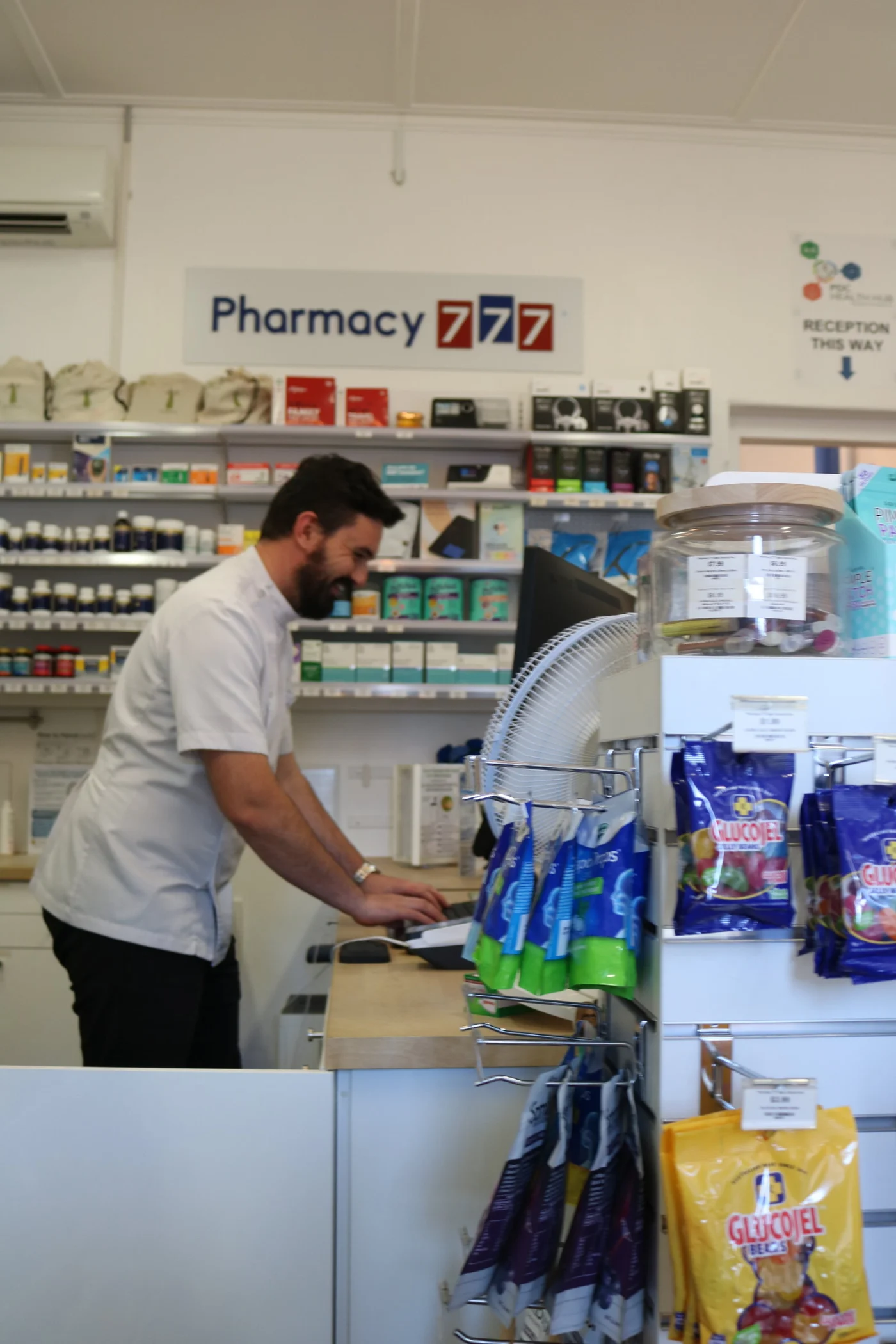
Yes. BlueLoop posts NDSS consumables, CGM sensors and pump supplies anywhere in Australia, dispensed by Bedford Pharmacy 777. Our Credentialled Diabetes Educators can complete your NDSS access forms during a telehealth appointment.

Distance should not decide your care

Book a telehealth appointment online in under a minute, or call our care team and they will work out which clinician you need to see first and whether a Medicare rebate applies to you. Diabetes, chronic conditions and everything else our teams support.

Or go straight to a service

Phone (08) 6110 0570 · Medicare, NDIS, DVA and private options across our services

For GPs and health professionals

Referring a patient who cannot easily get to a clinic?

Send an online referral in under two minutes. One referral reaches every discipline at PDC Health Hub, and we will arrange telehealth where it is clinically appropriate.