Follow us

Search
For health professionalsContact usPress Enter to search. For products, try the shop filter.
 (08) 6110 0570
 admin@pdchealthhub.com.au
Press Enter to search. For products, try the shop filter.
(08) 6110 0570admin@pdchealthhub.com.auSciatica is leg pain from an irritated nerve in the lower back, and most cases improve over weeks to months. Physio helps you keep moving and recover with confidence.
Sciatica is pain that travels from the lower back or buttock down the leg, sometimes to the foot, often with numbness, tingling or weakness.1 It happens when the sciatic nerve or one of its roots is irritated, inflamed or under pressure (lumbar radicular pain), most commonly from a bulging or herniated disc.2 It usually affects one side and may flare with coughing, sneezing, bending or twisting.1 Most cases improve within weeks to months, although some last a year or longer.2
Physiotherapy focuses on keeping you moving. The Australian Low Back Pain Clinical Care Standard advises staying active and returning to usual activities, including work, as soon as feasible.3 Imaging is not routinely needed: leg pain from a nerve root is not considered serious pathology unless there is severe or progressive neurological loss, and scans are used only if they will change management.3 Opioids are for carefully selected people, at the lowest dose for the shortest time.3
PHOTO NEEDED · Add a Hero Image to this condition in the CMS: a PDC clinician with a client, natural light, no identifiable health information on screen
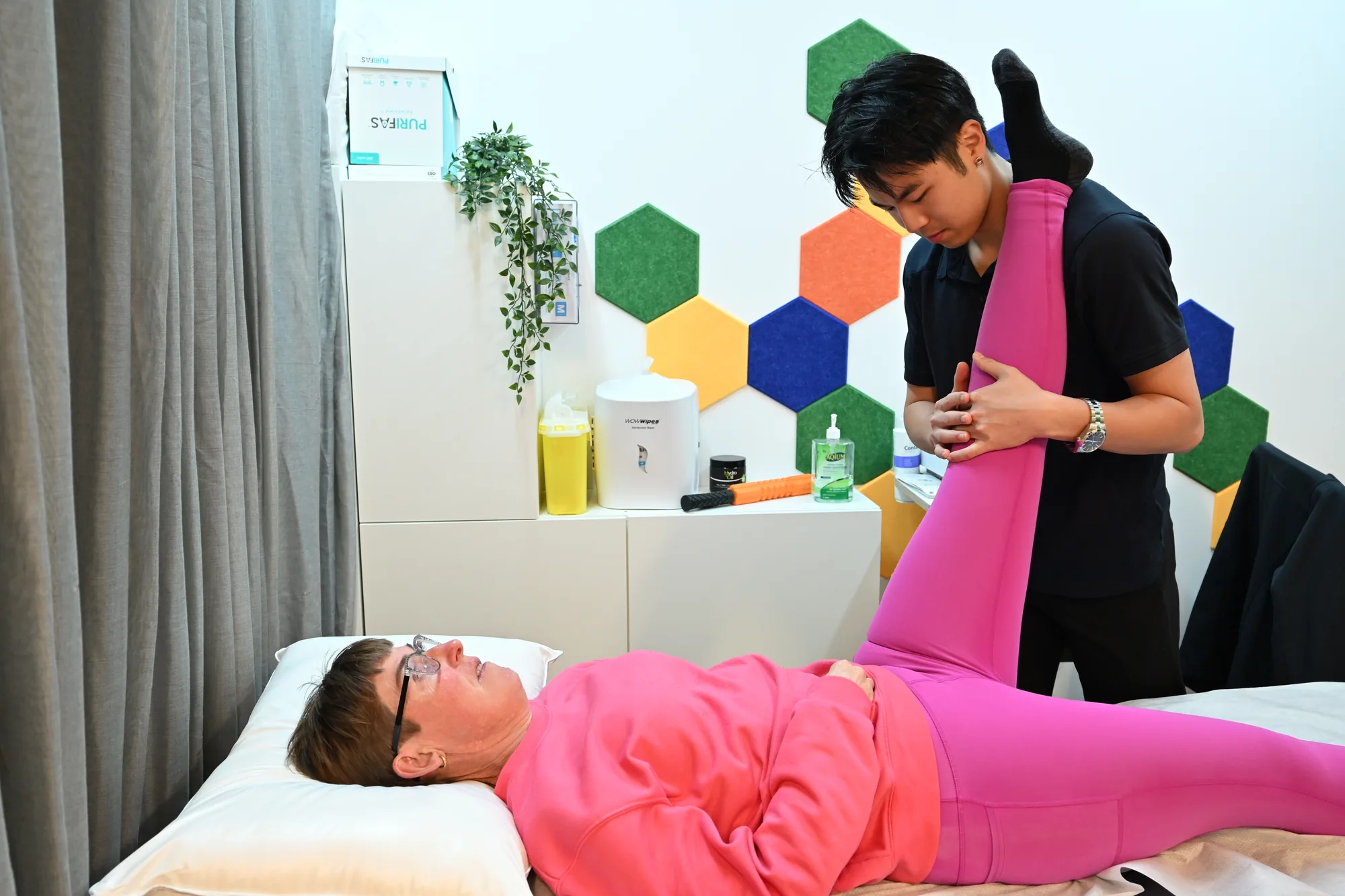
Symptoms are a guide, not a diagnosis. Your GP confirms the diagnosis; our team helps you manage it day to day.
The teams and services that most often support people with this condition. They work from one shared plan, and one GP referral reaches all of them.
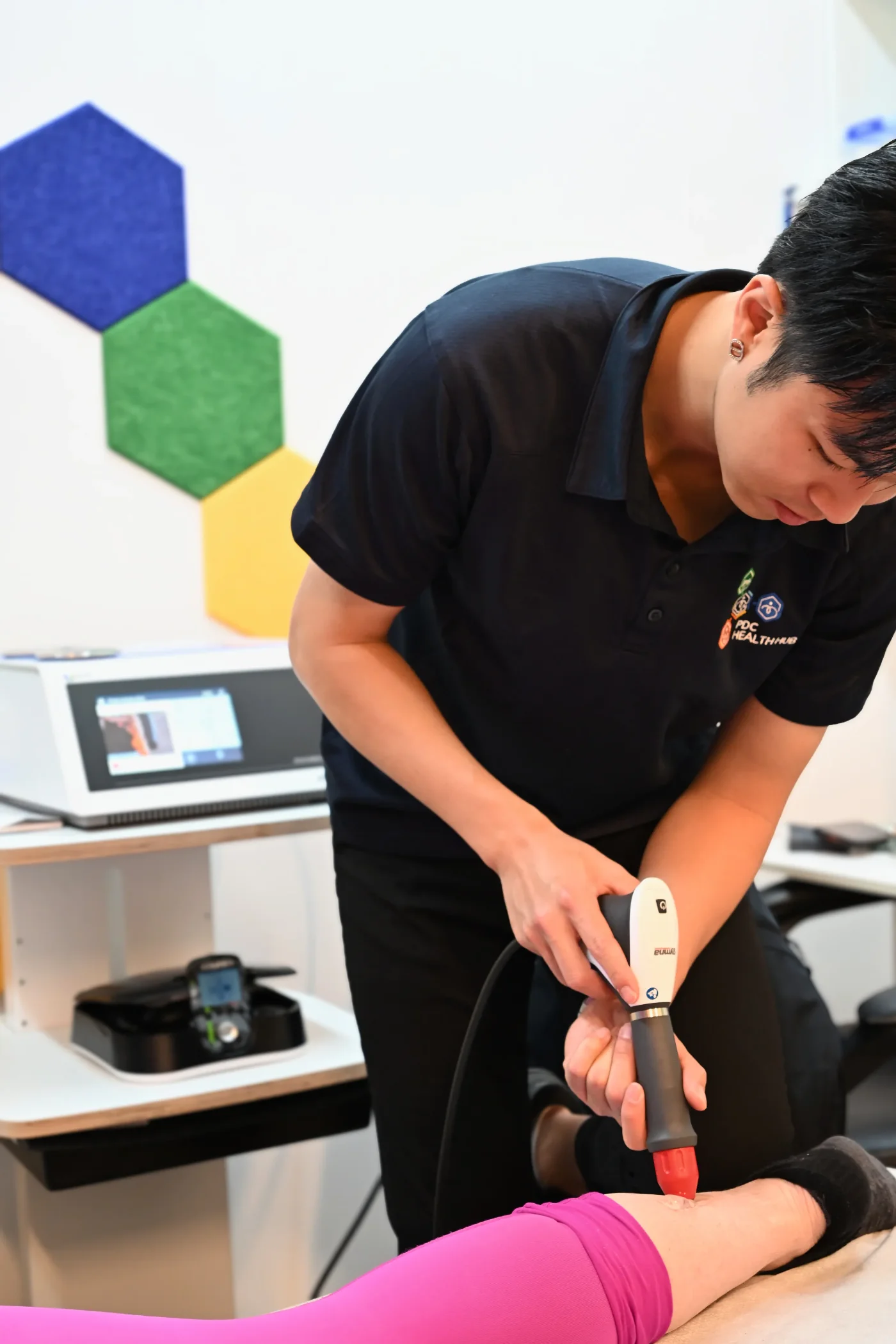
Our care follows the ACSQHC Low Back Pain Clinical Care Standard (2022), which covers low back pain with or without leg pain, and current Australian physiotherapy guidance.
Most sciatica improves over weeks to months, though some people have symptoms for a year or longer. See your doctor if symptoms last beyond four weeks despite treatment, and sooner if they are severe or getting worse.
Guidelines advise staying active and returning to usual activity, including work, as soon as feasible. Walking and swimming are commonly suggested, while high-impact activity such as running is best avoided until symptoms settle. Your physio will help you find a comfortable starting level.
Usually not early on. The Australian Low Back Pain Clinical Care Standard says imaging should be used only if it will change management, such as when serious pathology is suspected. Your physio will tell you if a scan or specialist review is warranted.
Go to an emergency department or call 000 for new trouble controlling your bladder or bowels (including being unable to pass urine), reduced feeling around the genitals, anus or saddle area, or weakness in both feet or legs that keeps getting worse. These can be signs of cauda equina syndrome and need emergency assessment.
No referral is needed for private appointments. With a GP Chronic Condition Management Plan, Medicare rebates apply to up to five eligible allied health services a calendar year. Work-related back injuries may be covered by workers compensation (WorkCover WA), and private health extras or DVA may also contribute.
Tell us what is going on and we will point you to the right discipline, or to more than one. Most people start with a single appointment and leave with a plan the rest of the team can see.
Or go straight to a service
Phone (08) 6110 0570 · Medicare, NDIS, DVA and private options across our services
For GPs and health professionals
Send an online referral in under two minutes. One referral reaches every discipline at PDC Health Hub.
