Follow us

Search
For health professionalsContact usPress Enter to search. For products, try the shop filter.
 (08) 6110 0570
 admin@pdchealthhub.com.au
Press Enter to search. For products, try the shop filter.
(08) 6110 0570admin@pdchealthhub.com.auThe most common type of diabetes, where the body does not use insulin well and may not make enough. It can often be well managed, and for some people put into remission, with the right team behind you.
Type 2 diabetes makes up 85 to 90 per cent of diabetes in Australia.1 It develops when the body does not respond to insulin properly and, over time, cannot make enough to keep glucose in range. Family history, age, weight, activity and cultural background all play a part.
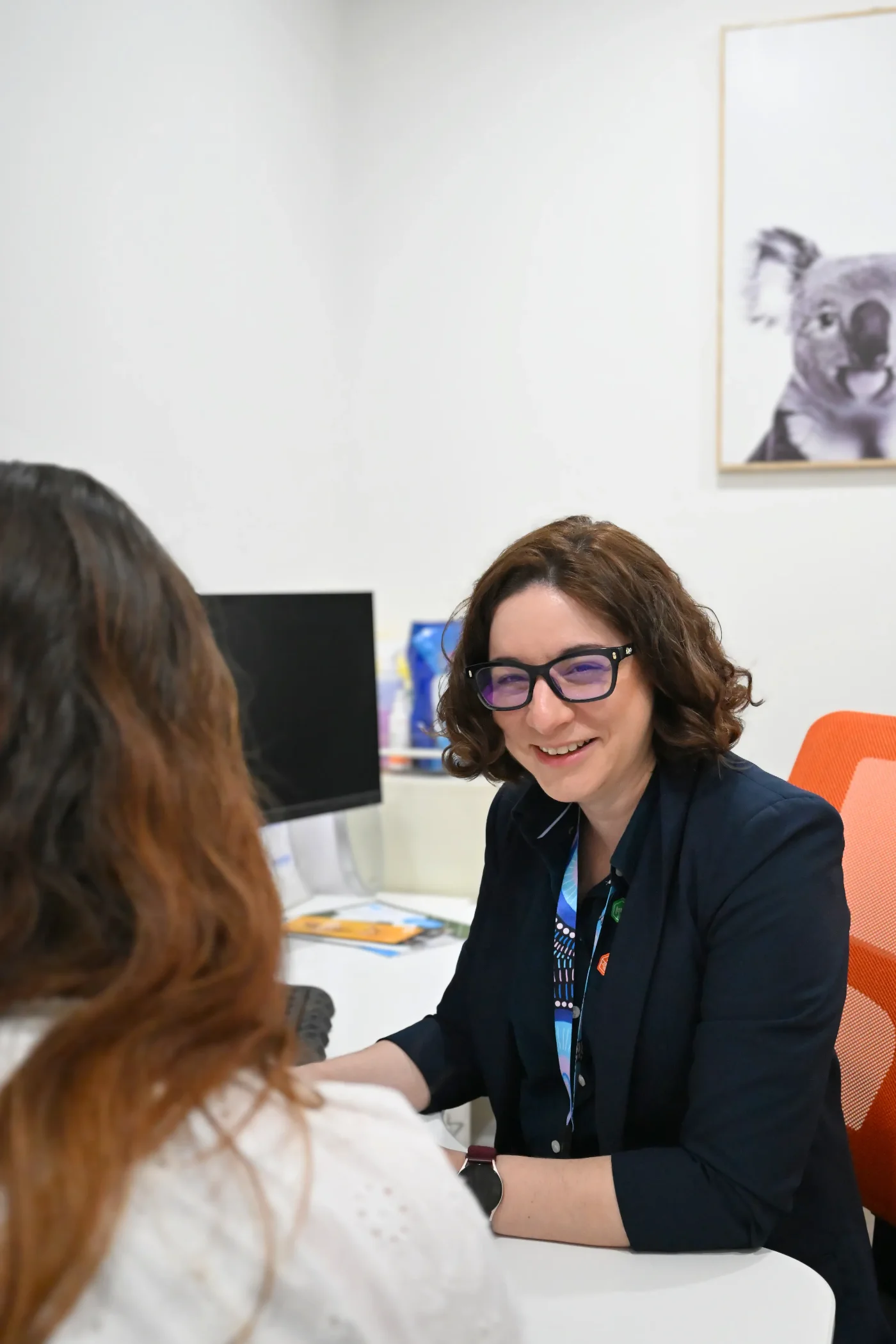
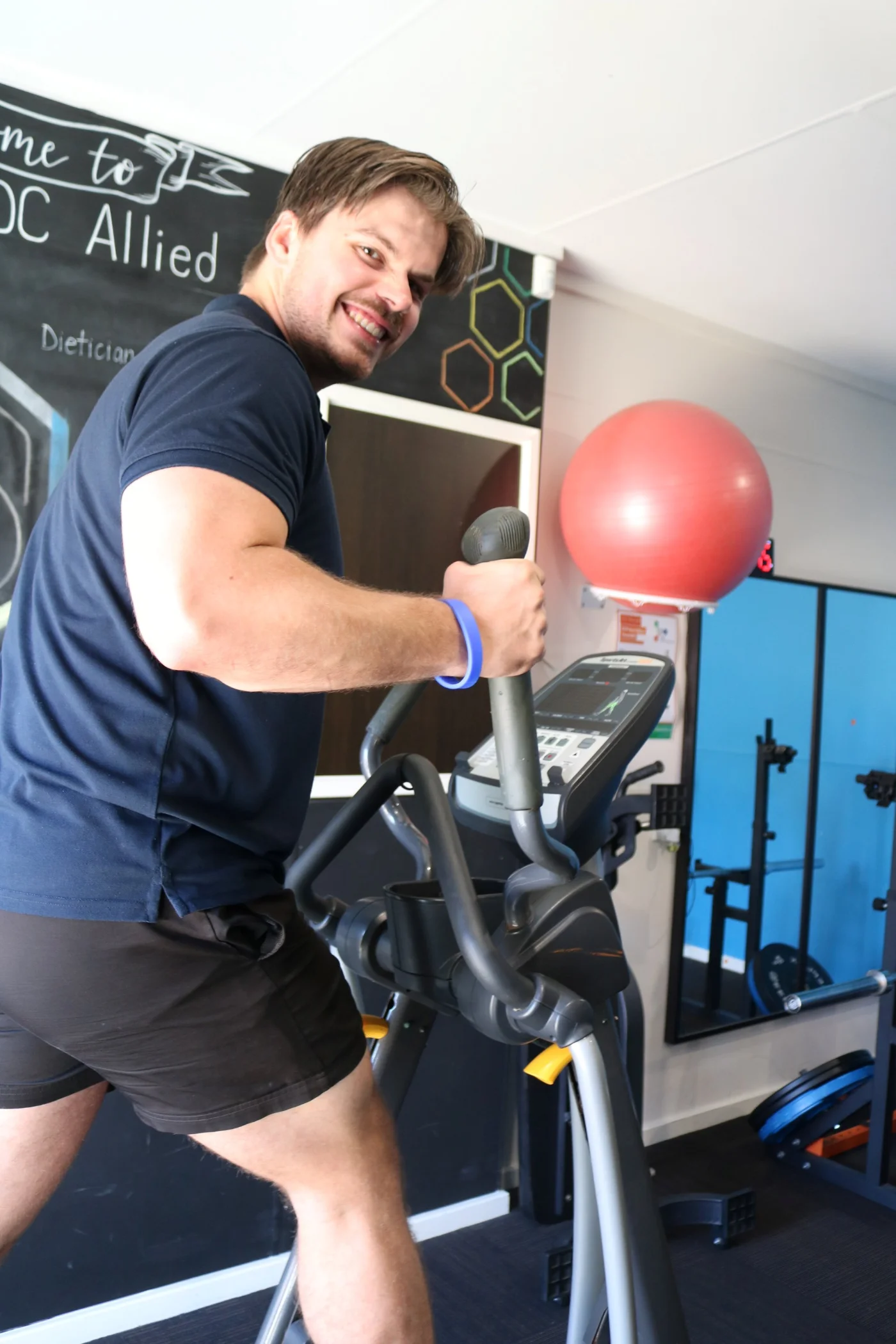
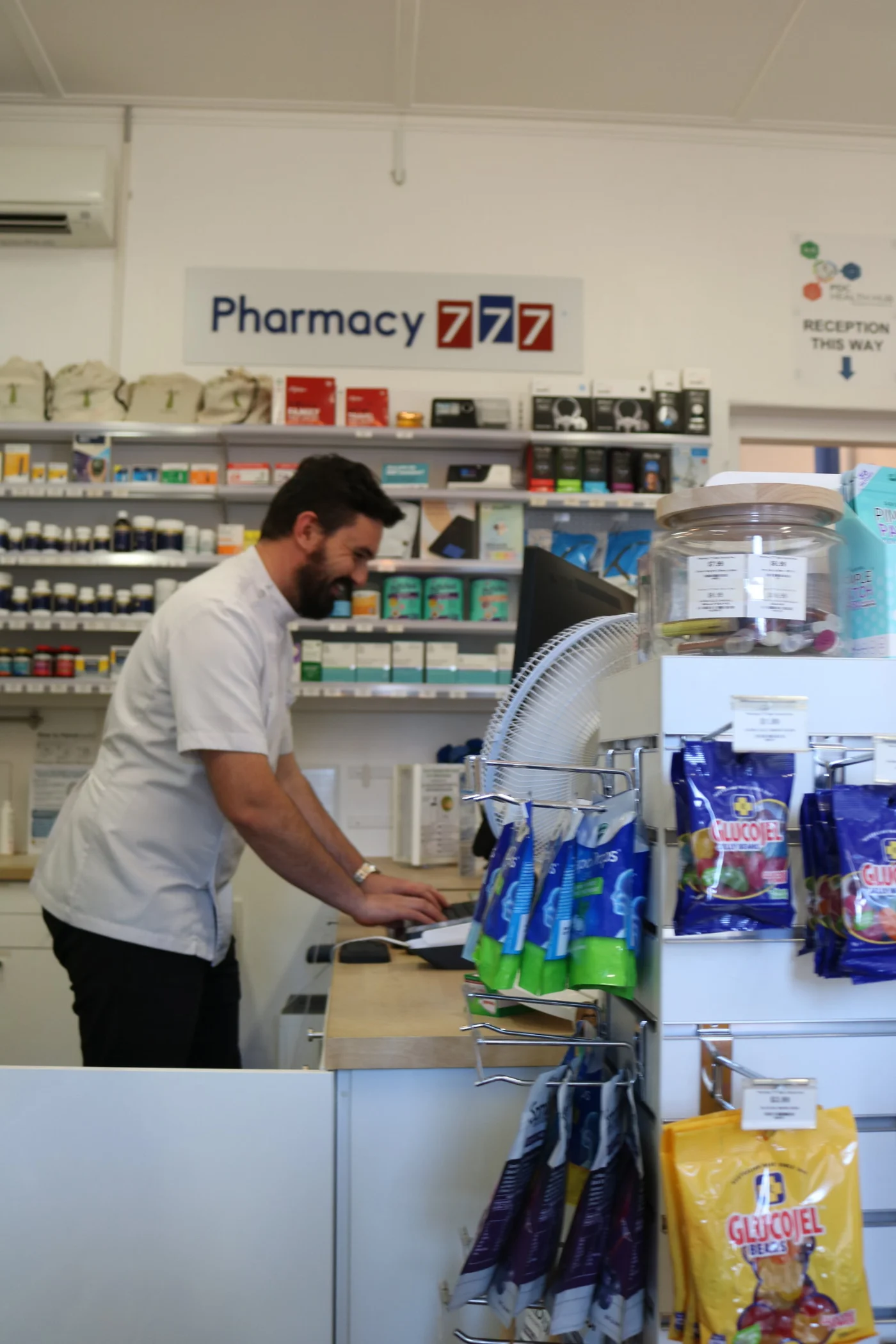
Type 2 diabetes responds well to support. Many people improve their glucose levels and reduce their medicines, and some, particularly earlier after diagnosis, achieve remission through weight loss.23 Our Credentialled Diabetes Educators, dietitians, exercise physiologists, podiatrists and pharmacists work from one shared plan with your GP.
PHOTO NEEDED · Add a Hero Image to this condition in the CMS: a PDC clinician with a client, natural light, no identifiable health information on screen
Symptoms are a guide, not a diagnosis. Your GP confirms the diagnosis; our team helps you manage it day to day.
The teams and services that most often support people with this condition. They work from one shared plan, and one GP referral reaches all of them.


Our care follows the RACGP and Diabetes Australia handbook Management of type 2 diabetes (2024 edition) and the Australian Evidence-Based Clinical Guidelines for Diabetes.
Some people achieve remission, where glucose returns to below the diabetes range without glucose-lowering medicines. It is most likely with substantial weight loss earlier after diagnosis. Remission needs ongoing checks, because diabetes can return. Our team can help you work out whether it is a realistic goal for you.
No. A dietitian will help you build a balanced, enjoyable way of eating rather than cutting out foods completely.
Not always. Many people manage with lifestyle changes and tablets or other medicines. Some people need insulin over time, which is a normal part of how type 2 diabetes can change, not a failure.
Not for private appointments. With a GP Chronic Condition Management Plan, Medicare rebates apply to up to five eligible allied health visits a calendar year. We are happy to liaise with your GP.
Usually not, but it does deserve prompt, structured education. If you have very high glucose readings with vomiting, drowsiness or confusion, seek urgent medical care. Otherwise, book with a Credentialled Diabetes Educator and we will build your plan step by step.
Tell us what is going on and we will point you to the right discipline, or to more than one. Most people start with a single appointment and leave with a plan the rest of the team can see.
Or go straight to a service
Phone (08) 6110 0570 · Medicare, NDIS, DVA and private options across our services
For GPs and health professionals
Send an online referral in under two minutes. One referral reaches every discipline at PDC Health Hub.