Follow us

Search
For health professionalsContact usPress Enter to search. For products, try the shop filter.
 (08) 6110 0570
 admin@pdchealthhub.com.au
Press Enter to search. For products, try the shop filter.
(08) 6110 0570admin@pdchealthhub.com.auGlucose levels that are higher than they should be, but not yet in the diabetes range. It is a window of opportunity: changes made now can prevent or delay type 2 diabetes.
Pre-diabetes means your glucose levels are above the healthy range but not high enough to be diagnosed as type 2 diabetes. It is usually found on a routine blood test, as impaired fasting glucose or impaired glucose tolerance, and most people have no symptoms.1
It is best thought of as an opportunity. In large trials, structured changes to eating, activity and weight cut the chance of developing type 2 diabetes by more than half over about three years.23 Our team focuses on realistic, lasting changes and regular checks so you can act early.
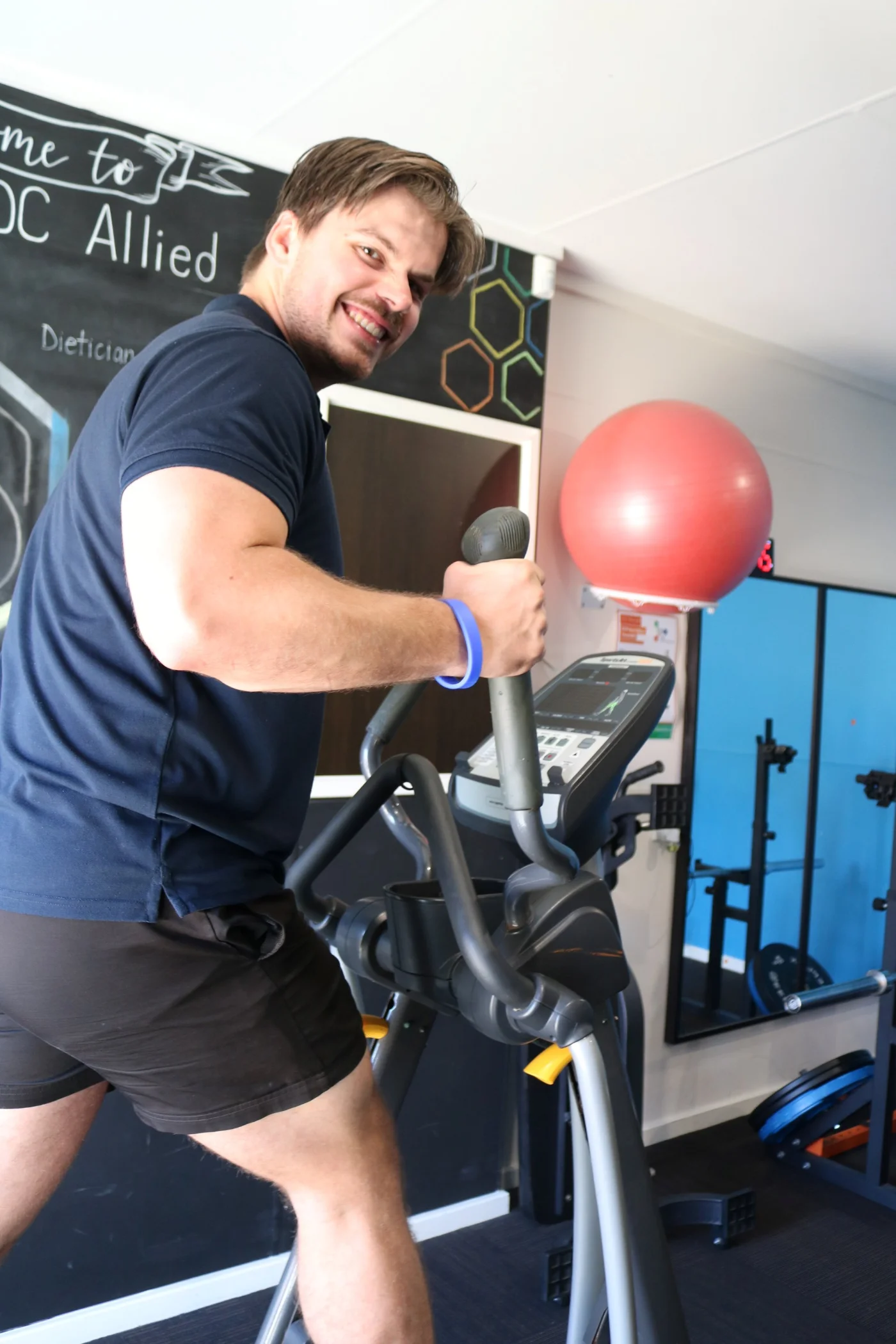
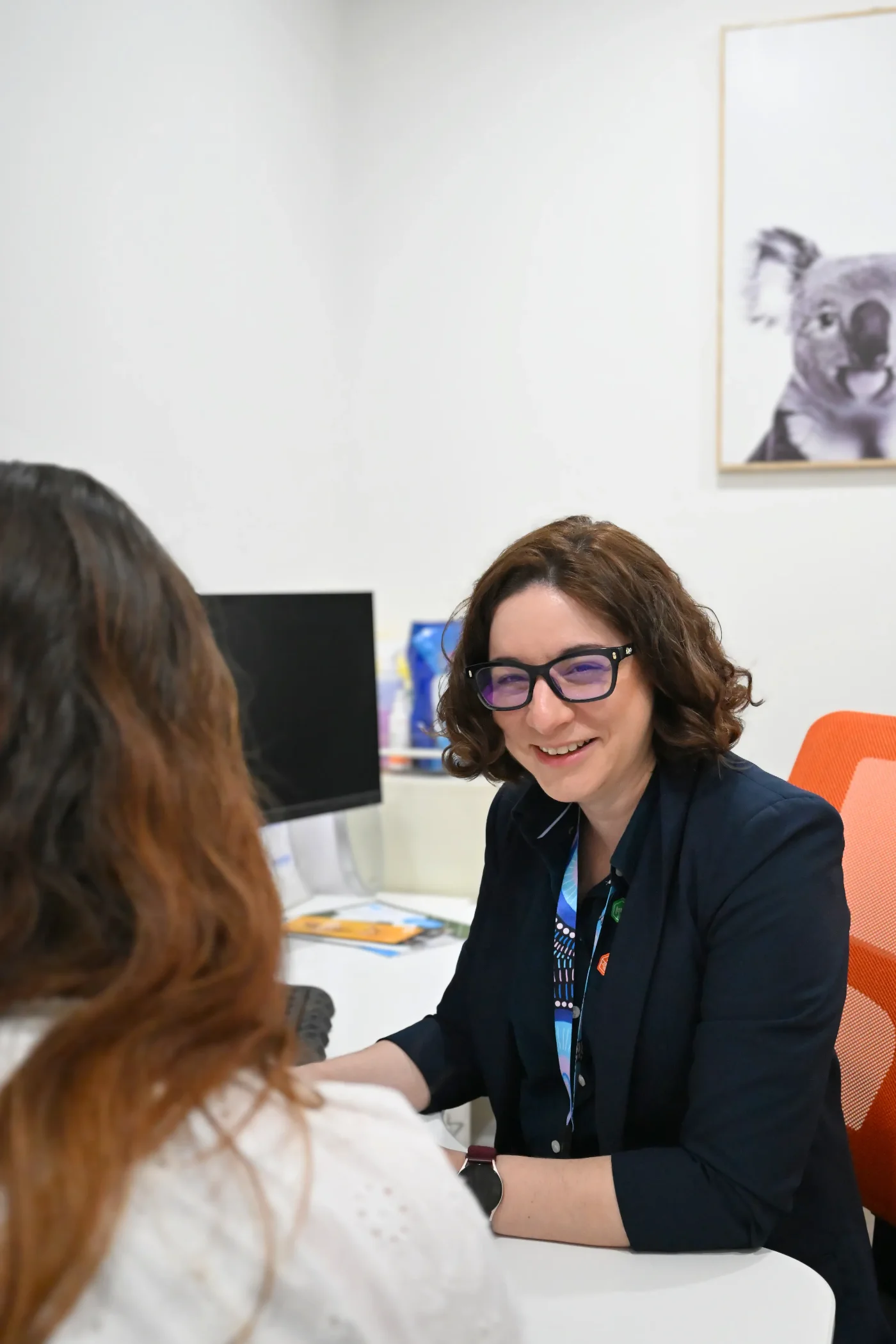
PHOTO NEEDED · Add a Hero Image to this condition in the CMS: a PDC clinician with a client, natural light, no identifiable health information on screen

Symptoms are a guide, not a diagnosis. Your GP confirms the diagnosis; our team helps you manage it day to day.
The teams and services that most often support people with this condition. They work from one shared plan, and one GP referral reaches all of them.

Our approach follows the RACGP and Diabetes Australia handbook Management of type 2 diabetes (2024 edition), including its guidance on prevention, and the evidence from the major diabetes prevention trials.
No. With early action, many people prevent or delay type 2 diabetes. Without change, progression is common, which is why acting now matters.
Lifestyle change is the first and most effective treatment. Your GP may consider medicine in some higher-risk situations. Our role is to make the lifestyle part achievable rather than theoretical.
Yes. The AUSDRISK tool estimates your chance of developing type 2 diabetes over the next five years. Your GP can go through it with you, and it is also available online from the Australian Government.
If you are above a healthy weight, yes. In the prevention trials, losing around 5 to 7 per cent of body weight, together with more activity, was part of what lowered the risk. Our dietitians and exercise physiologists help you get there in a way you can keep up.
Your GP will usually recheck your glucose every year, or sooner in some situations. We help you keep to that schedule and track the trend.
Tell us what is going on and we will point you to the right discipline, or to more than one. Most people start with a single appointment and leave with a plan the rest of the team can see.
Or go straight to a service
Phone (08) 6110 0570 · Medicare, NDIS, DVA and private options across our services
For GPs and health professionals
Send an online referral in under two minutes. One referral reaches every discipline at PDC Health Hub.