Follow us

Search
For health professionalsContact usPress Enter to search. For products, try the shop filter.
 (08) 6110 0570
 admin@pdchealthhub.com.au
Press Enter to search. For products, try the shop filter.
(08) 6110 0570admin@pdchealthhub.com.auYes, physiotherapy helps with osteoporosis. A tailored mix of resistance, impact and balance exercise supports bone health and reduces falls, alongside any medicines your doctor recommends.
Osteoporosis is a condition where bones become less dense and more fragile, so a minor bump or fall can cause a fracture.3 It is often called a silent disease because there are usually no symptoms until a bone breaks.3 It is diagnosed on a bone density (DXA) scan, usually with a T-score of -2.5 or lower, or on a fracture risk assessment.1 Healthy Bones Australia estimates that 6.2 million Australians aged 50 and over (67 per cent) have poor bone health.4
The 2024 RACGP and Healthy Bones Australia guideline recommends regular, progressive muscle strengthening at least twice a week, weight-bearing impact exercise on most days, and balance training that is challenging.1 Higher-intensity exercise needs professional supervision because of fracture risk.2 Exercise supports bone strength and reduces falls, but it does not replace osteoporosis medicines, which your doctor may recommend for higher fracture risk.1,3 Your program is individual, and results vary.
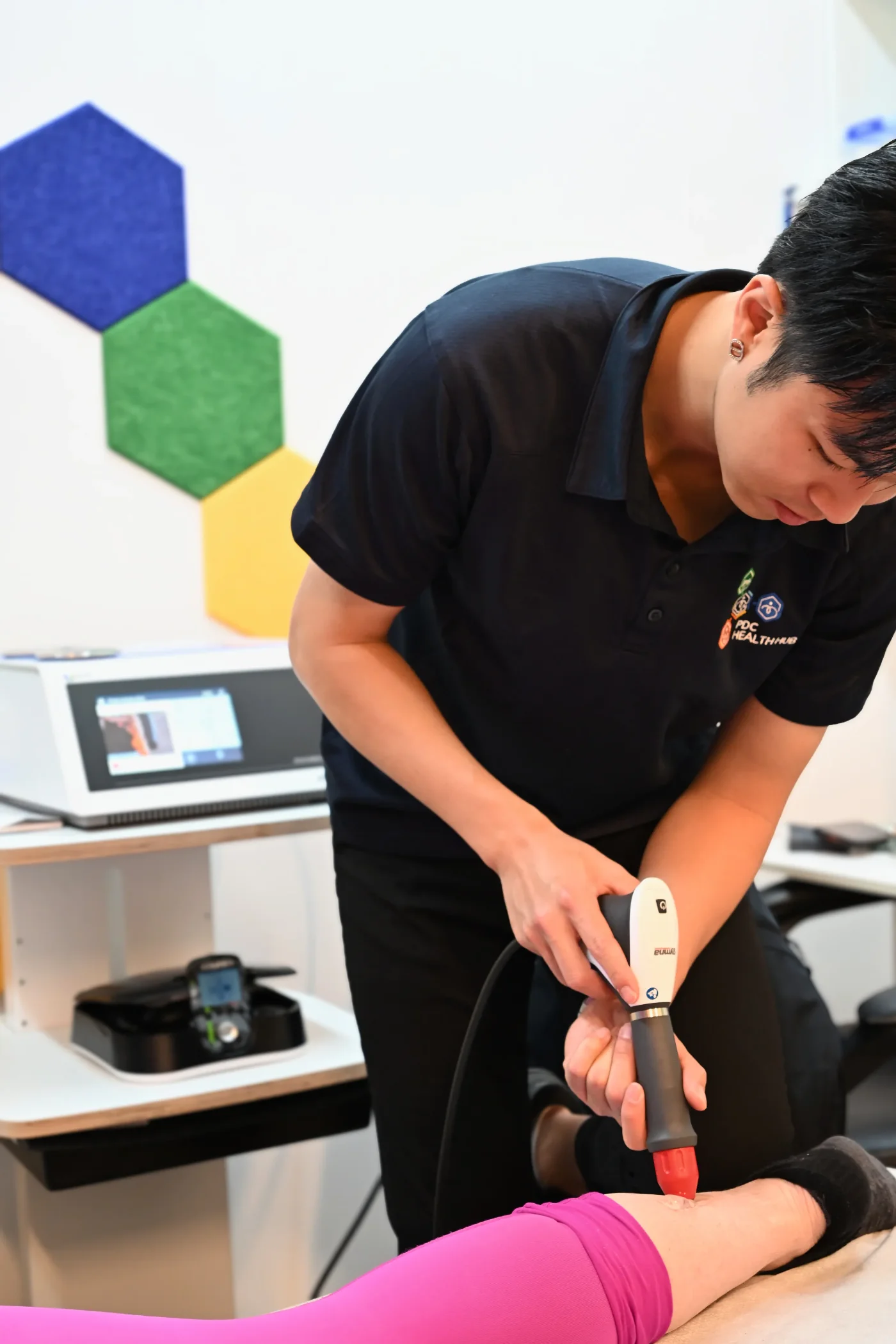
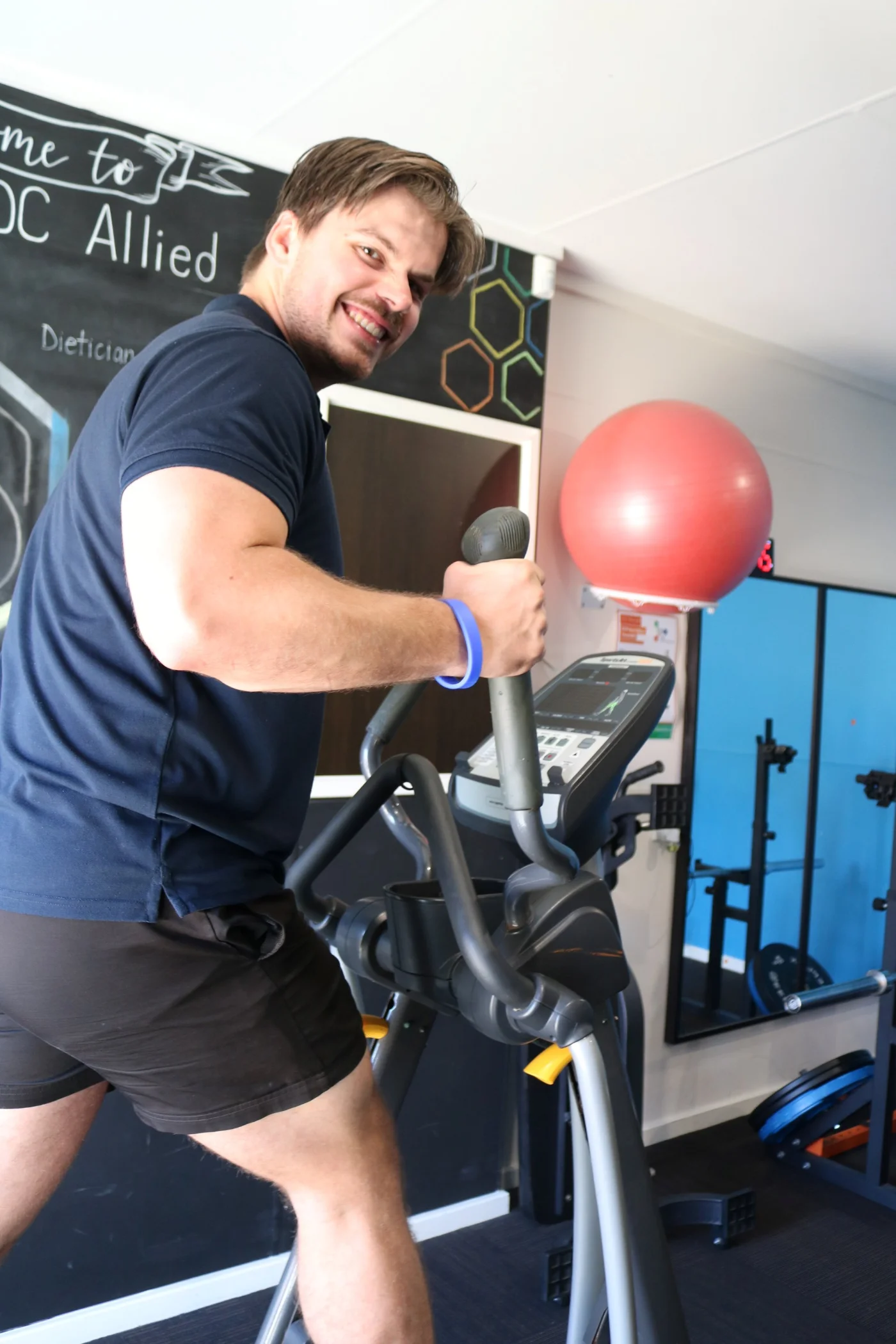
PHOTO NEEDED · Add a Hero Image to this condition in the CMS: a PDC clinician with a client, natural light, no identifiable health information on screen

Symptoms are a guide, not a diagnosis. Your GP confirms the diagnosis; our team helps you manage it day to day.
The teams and services that most often support people with this condition. They work from one shared plan, and one GP referral reaches all of them.
Our care follows the 2024 RACGP and Healthy Bones Australia osteoporosis guideline, the Healthy Bones Australia exercise prescription for physiotherapists, and current Australian physiotherapy guidance.
Guidelines recommend a combination: progressive resistance training at least twice a week, weight-bearing impact exercise most days, and challenging balance training. The right mix and intensity depend on your scan results, fracture history and fitness, so we build your program individually.
No. Exercise supports bone strength, muscle and balance, and reduces falls, but it does not replace medicines when your doctor recommends them. Keep taking your prescribed medicines and ask your GP or pharmacist before changing anything.
Yes, when it is tailored and progressed gradually. Higher-intensity and impact exercise is best supervised because of fracture risk. If you have had a spinal fracture, we adjust the program and introduce back extensor, mobility and balance work step by step.
No referral is needed for private appointments. With a GP Chronic Condition Management Plan, Medicare rebates apply to up to five eligible allied health services a calendar year. Private health extras and DVA may also contribute, depending on your cover or eligibility.
Exercise cannot cure osteoporosis. The right types and intensities can improve bone strength and muscle, and balance training helps prevent falls, which cause many fractures. Results vary, so we focus on a program that fits you and works alongside your medical care.
Tell us what is going on and we will point you to the right discipline, or to more than one. Most people start with a single appointment and leave with a plan the rest of the team can see.
Or go straight to a service
Phone (08) 6110 0570 · Medicare, NDIS, DVA and private options across our services
For GPs and health professionals
Send an online referral in under two minutes. One referral reaches every discipline at PDC Health Hub.
