Follow us

Search
For health professionalsContact usPress Enter to search. For products, try the shop filter.
 (08) 6110 0570
 admin@pdchealthhub.com.au
Press Enter to search. For products, try the shop filter.
(08) 6110 0570admin@pdchealthhub.com.auOsteopenia means your bone density is lower than normal but not in the osteoporosis range. Strength, impact and balance exercise helps look after your bones and reduce falls.
Osteopenia describes low bone density on a scan, in the range between normal and osteoporosis.1 For people over 50 and women after menopause, it is a T-score between -1.0 and -2.5.2 It is a description of a scan result rather than a diagnosis of osteoporosis.4 It still matters, because half of all fractures in people over 50 occur in people with osteopenia.1 A low-trauma hip or spinal fracture after 50 is treated as clinical osteoporosis whatever the scan shows, and other low-trauma fractures count too if the T-score is below -1.5.2
Without a past fracture, doctors usually monitor bone density and encourage calcium, vitamin D and exercise rather than automatically prescribing medicines.1 Healthy Bones Australia recommends a specific mix of weight-bearing, resistance and balance exercise.1 Guidelines suggest resistance training at least twice a week, impact exercise on most days, and challenging balance work.3 Physiotherapy sets this up safely at your level.5 Your doctor decides if medicines are needed, and exercise does not replace them.
PHOTO NEEDED · Add a Hero Image to this condition in the CMS: a PDC clinician with a client, natural light, no identifiable health information on screen

Symptoms are a guide, not a diagnosis. Your GP confirms the diagnosis; our team helps you manage it day to day.
The teams and services that most often support people with this condition. They work from one shared plan, and one GP referral reaches all of them.
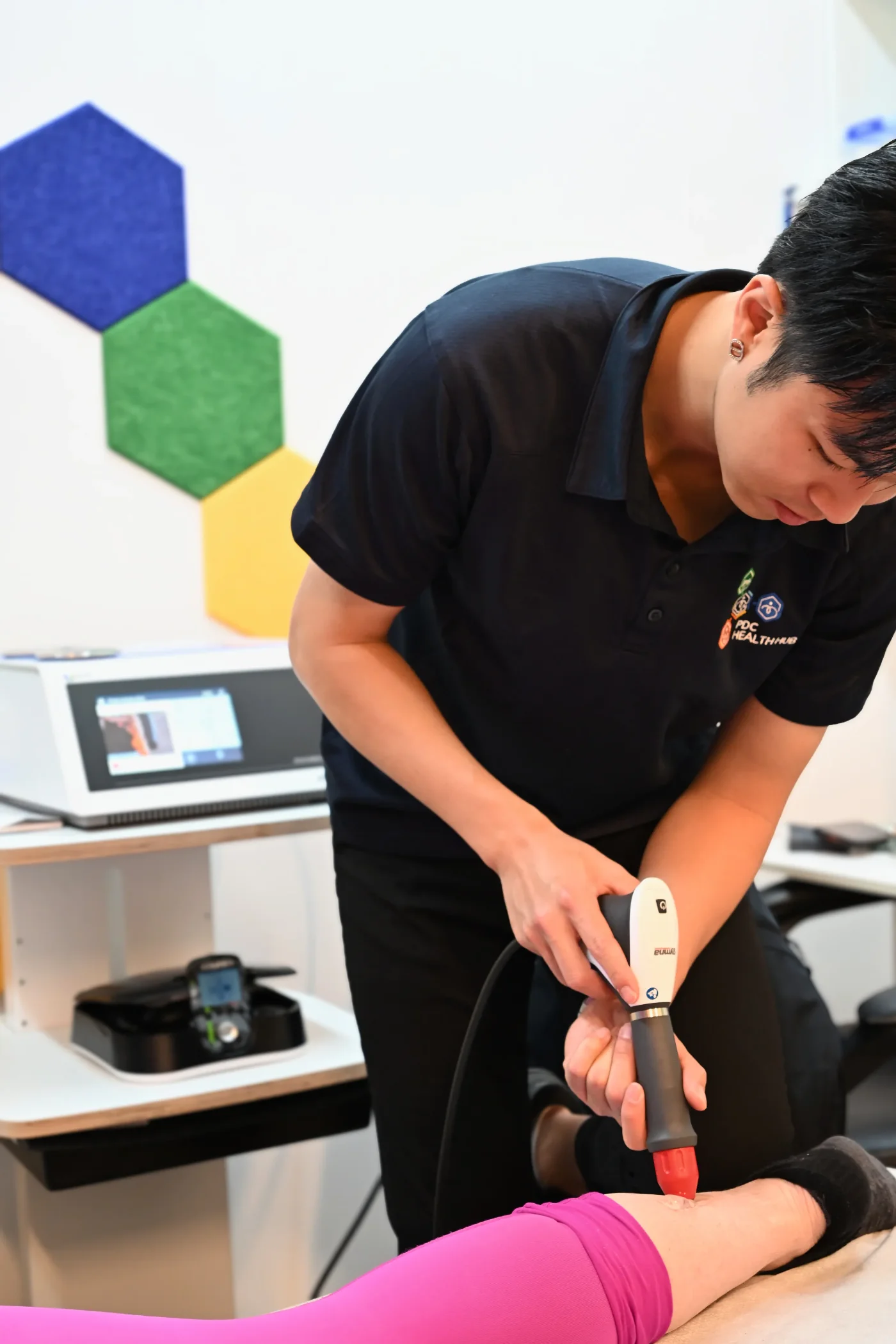
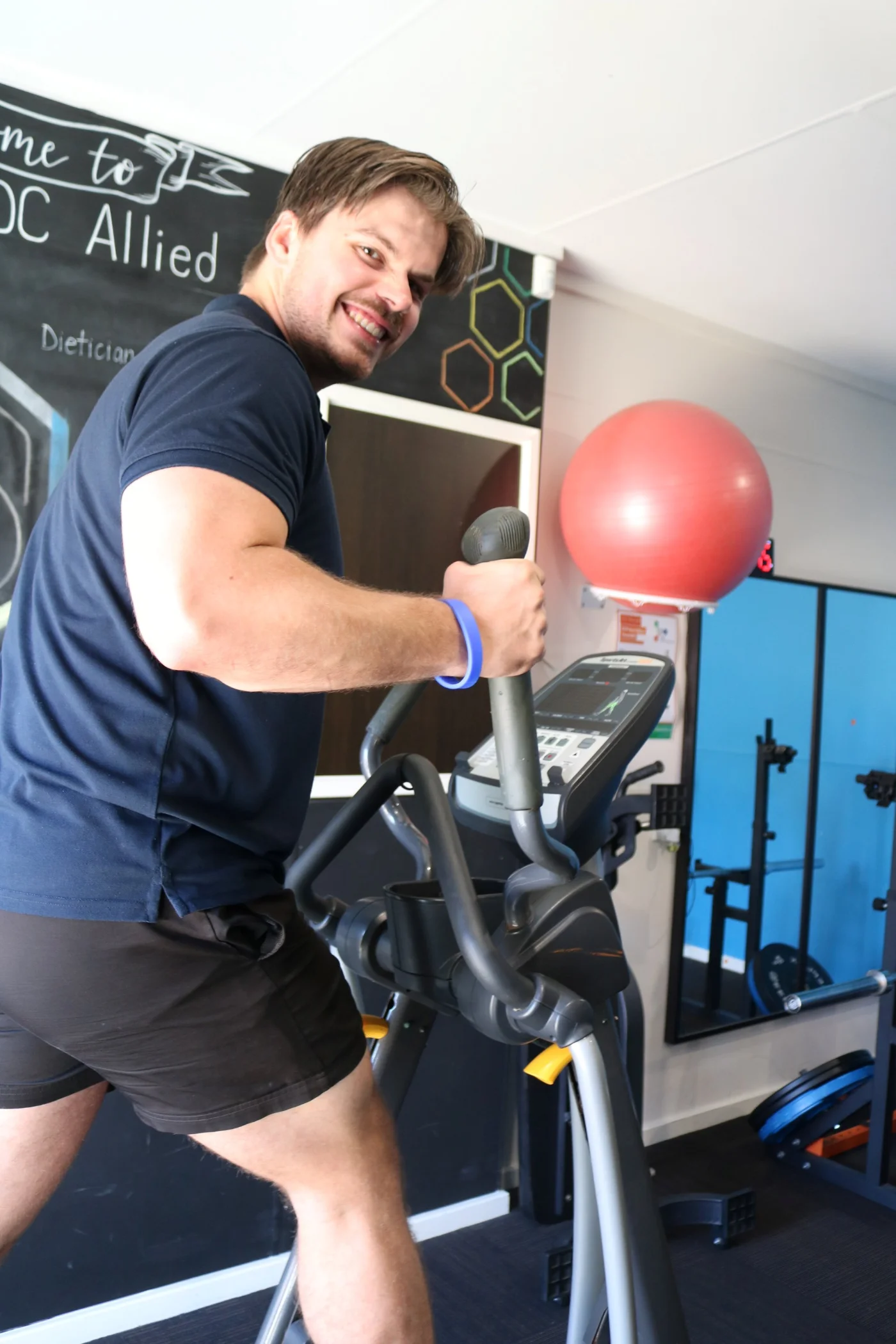
Our care follows the 2024 RACGP and Healthy Bones Australia osteoporosis guideline, the Healthy Bones Australia exercise prescription for physiotherapists, and current Australian physiotherapy guidance.
Osteopenia means your bone density is lower than normal but not yet in the osteoporosis range. It is not a disease in itself, but it raises fracture risk, so it is worth looking after your bones with exercise and good nutrition, as your doctor advises.
A mix works best: weight-bearing and impact exercise such as brisk walking or low jumps, progressive strength training with weights, and balance training. The right level depends on your scan, fitness and any past fractures, so we tailor your program individually.
Not always. Without a past fracture, doctors usually monitor bone density and encourage calcium, vitamin D and exercise, and use a fracture risk assessment to decide about medicines. Exercise does not replace medicines if your doctor recommends them. Ask your GP.
No referral is needed for private appointments. With a GP Chronic Condition Management Plan, Medicare rebates apply to up to five eligible allied health services a calendar year. Private health extras and DVA may also contribute, depending on your cover or eligibility.
The right types and intensities of exercise can help maintain or improve bone strength, and balance training helps prevent falls. We cannot promise a change on your next scan, as results vary with age, medicines, nutrition and your starting point.
Tell us what is going on and we will point you to the right discipline, or to more than one. Most people start with a single appointment and leave with a plan the rest of the team can see.
Or go straight to a service
Phone (08) 6110 0570 · Medicare, NDIS, DVA and private options across our services
For GPs and health professionals
Send an online referral in under two minutes. One referral reaches every discipline at PDC Health Hub.