Follow us

Search
For health professionalsContact usPress Enter to search. For products, try the shop filter.
 (08) 6110 0570
 admin@pdchealthhub.com.au
Press Enter to search. For products, try the shop filter.
(08) 6110 0570admin@pdchealthhub.com.auFalls are common as we age, but many can be prevented. Exercise that challenges your balance reduces falls, and we work with your pharmacist, podiatrist and GP on the other risks.
Between one in four and one in three people aged 65 and over have at least one fall each year.1,4 In 2024-25, people aged 65 and over were hospitalised for fall injuries at 12 times the rate of adults aged 25 to 44, and home was the most common place.5 Common causes include weak muscles, poor balance, vision problems, medicines that cause drowsiness or dizziness, and trip hazards at home.1
A Cochrane review found that exercise reduces the rate of falls by about 23 per cent, and balance and functional exercise by about 24 per cent, with high-certainty evidence.2 The World Guidelines for Falls Prevention (2022) advise falls prevention and activity counselling for all older adults, and a multifactorial assessment for people at higher risk.3 Western Australia's Stay On Your Feet programme calls this Move, Improve, Remove.4 Many falls can be prevented, but not all, and no program removes risk completely.6
PHOTO NEEDED · Add a Hero Image to this condition in the CMS: a PDC clinician with a client, natural light, no identifiable health information on screen
Symptoms are a guide, not a diagnosis. Your GP confirms the diagnosis; our team helps you manage it day to day.
The teams and services that most often support people with this condition. They work from one shared plan, and one GP referral reaches all of them.
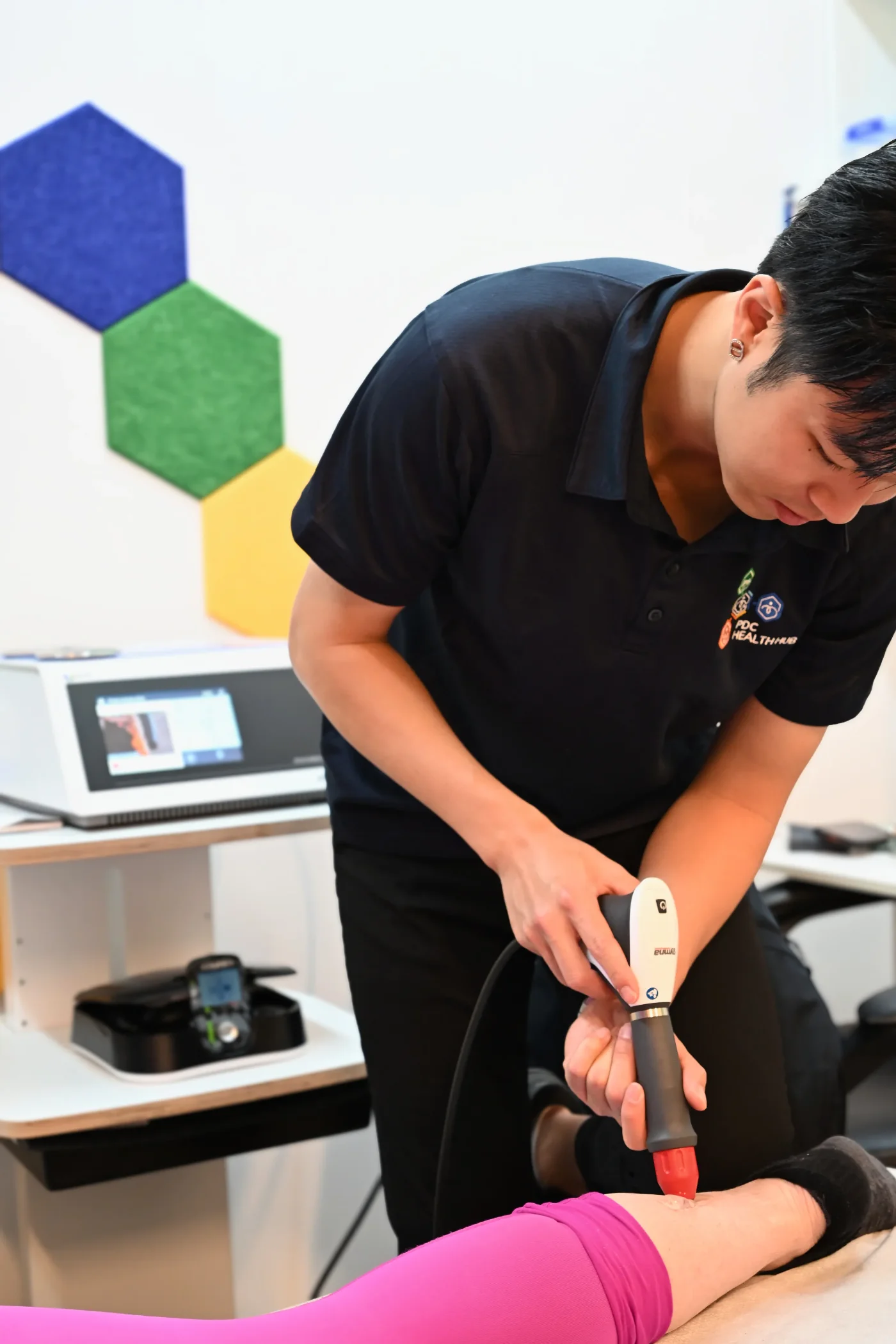
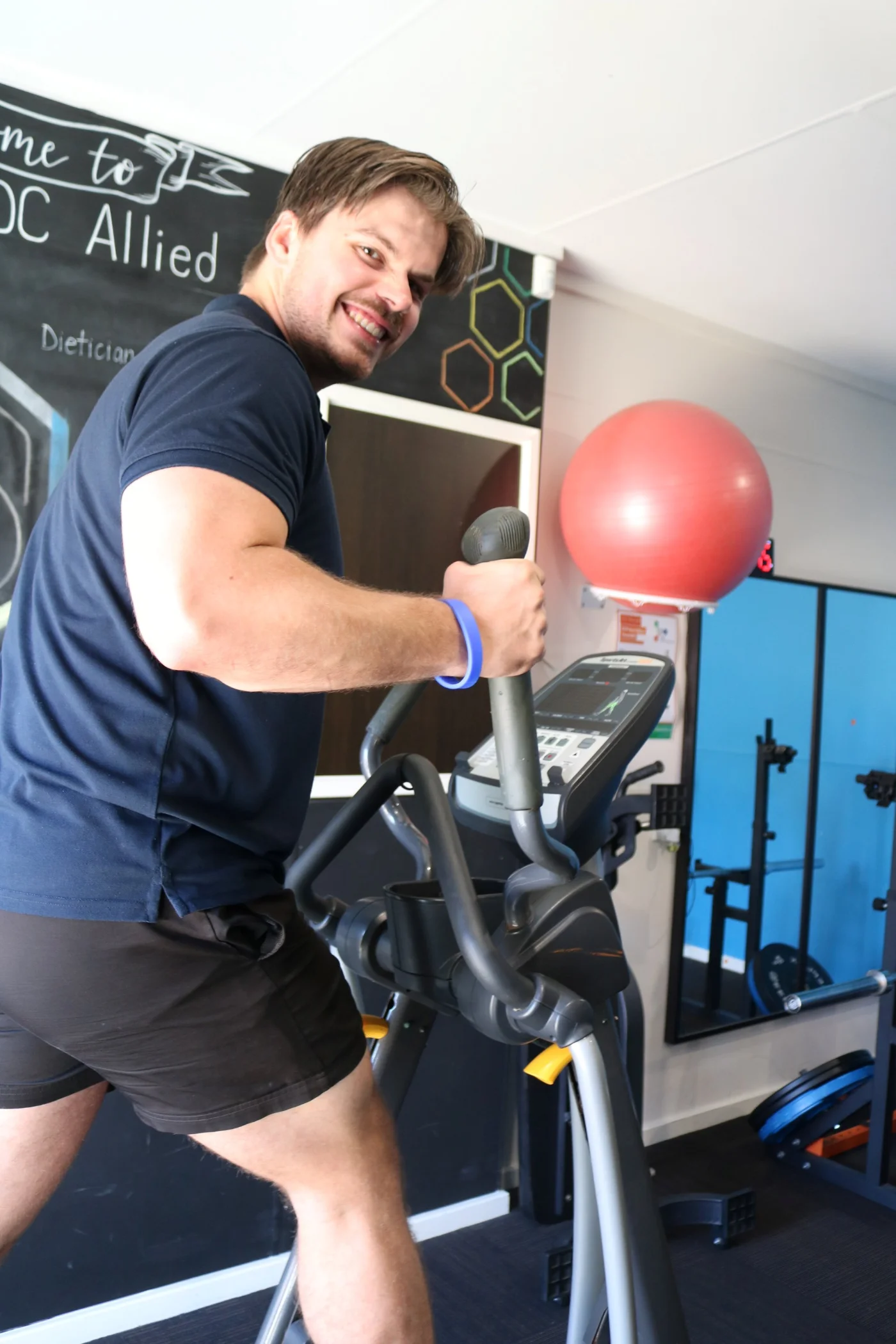
Our care follows the World Guidelines for Falls Prevention and Management for Older Adults, Cochrane evidence on exercise, the WA Stay On Your Feet programme and current Australian physiotherapy guidance.
Physiotherapy cannot guarantee you will never fall, but exercise that challenges your balance and builds strength reduces the rate of falls. We assess your risks, set a program that suits you, and help you work with your GP, pharmacist and podiatrist on the rest.
Balance and functional exercise, such as standing with a narrower base, stepping, heel-to-toe walking and sit-to-stand, plus leg strengthening, reduces falls. Tai chi may also reduce falls, though that evidence is low certainty. Programs work best when they challenge your balance safely, so we tailor them to you.
Between one in four and one in three people aged 65 and over fall at least once a year, depending on the source. Falls become more common with age, and most happen at home. Being unsteady, weak or taking certain medicines raises your risk.
No referral is needed for private appointments. With a GP Chronic Condition Management Plan, Medicare rebates apply to up to five eligible allied health services a calendar year. Private health extras, DVA and NDIS may also contribute, depending on your cover or eligibility.
Ask your doctor or pharmacist to review your medicines, have regular eye checks, wear well-fitting shoes, and make your home safer by fixing poor lighting, slippery surfaces and trip hazards. Staying active with balance and strength exercise is just as important.
Tell us what is going on and we will point you to the right discipline, or to more than one. Most people start with a single appointment and leave with a plan the rest of the team can see.
Or go straight to a service
Phone (08) 6110 0570 · Medicare, NDIS, DVA and private options across our services
For GPs and health professionals
Send an online referral in under two minutes. One referral reaches every discipline at PDC Health Hub.