Follow us

Search
For health professionalsContact usPress Enter to search. For products, try the shop filter.
 (08) 6110 0570
 admin@pdchealthhub.com.au
Press Enter to search. For products, try the shop filter.
(08) 6110 0570admin@pdchealthhub.com.auPhysiotherapy after a stroke centres on regular practice of everyday tasks to rebuild movement, balance and walking. Starting early helps, and recovery can continue for years.
A stroke happens when blood flow to part of the brain is blocked, or a blood vessel in the brain bleeds. It is a medical emergency: if you see the FAST signs (Face, Arms, Speech, Time), call 000 straight away.1 The effects depend on the part of the brain involved and can include weakness on one side, poor balance, changes in speech and thinking, and tiredness. Rehabilitation (neurorehabilitation) helps the brain relearn and adapt, and it should begin as early as possible, from the first day after a stroke.2
Physiotherapy for a person who has had a stroke centres on practising the tasks that matter, such as standing, walking and using an arm, with plenty of repetition.3 Australian guidance advises as much active practice as possible,2 although a Cochrane review rated the evidence on exactly how much extra therapy helps as low certainty.4 Improvement can continue for years, even though it is often quickest in the first six months.5 The Stroke Foundation's living guidelines cover rehabilitation from hospital to community life and return to work.6
PHOTO NEEDED · Add a Hero Image to this condition in the CMS: a PDC clinician with a client, natural light, no identifiable health information on screen
Symptoms are a guide, not a diagnosis. Your GP confirms the diagnosis; our team helps you manage it day to day.
The teams and services that most often support people with this condition. They work from one shared plan, and one GP referral reaches all of them.
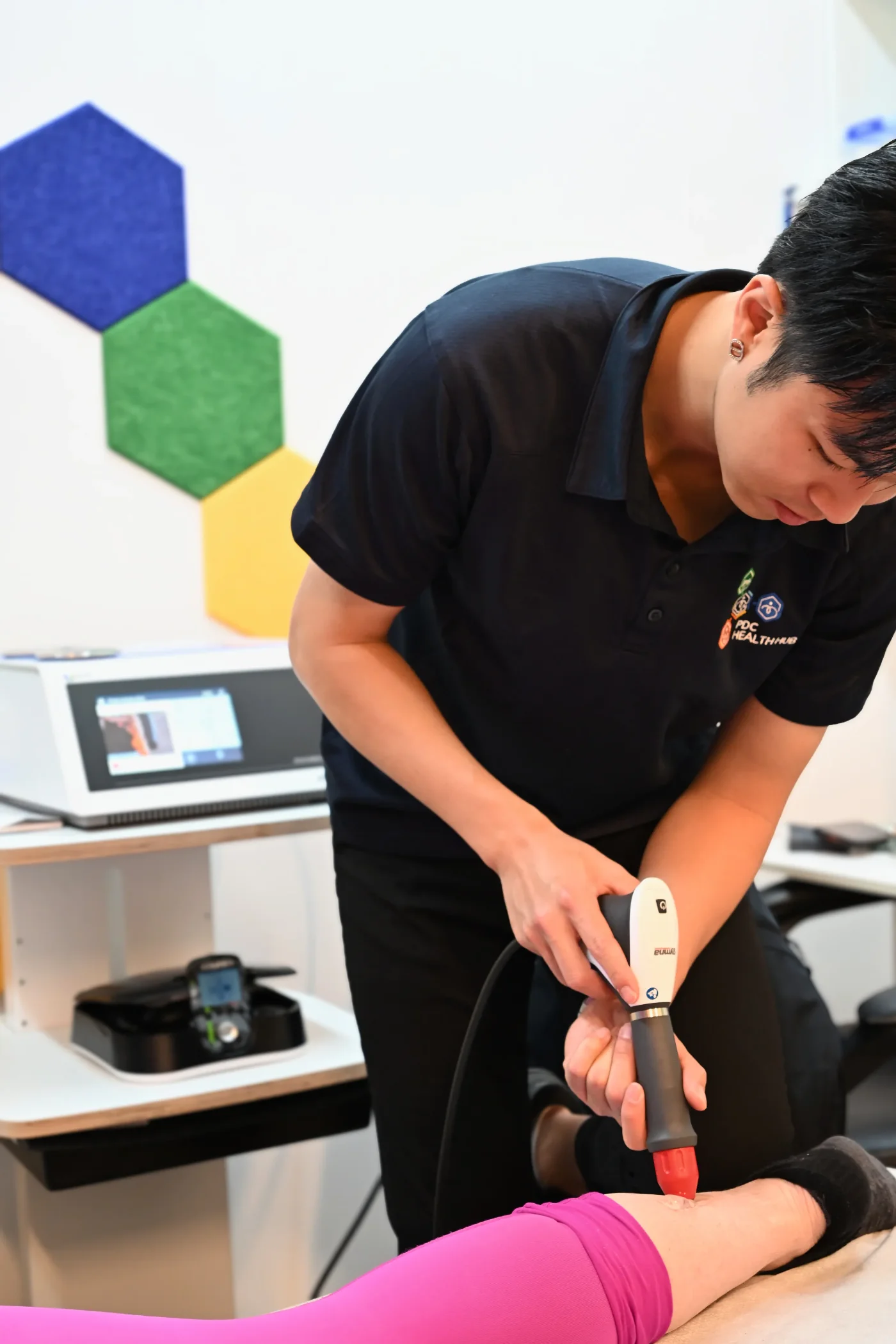
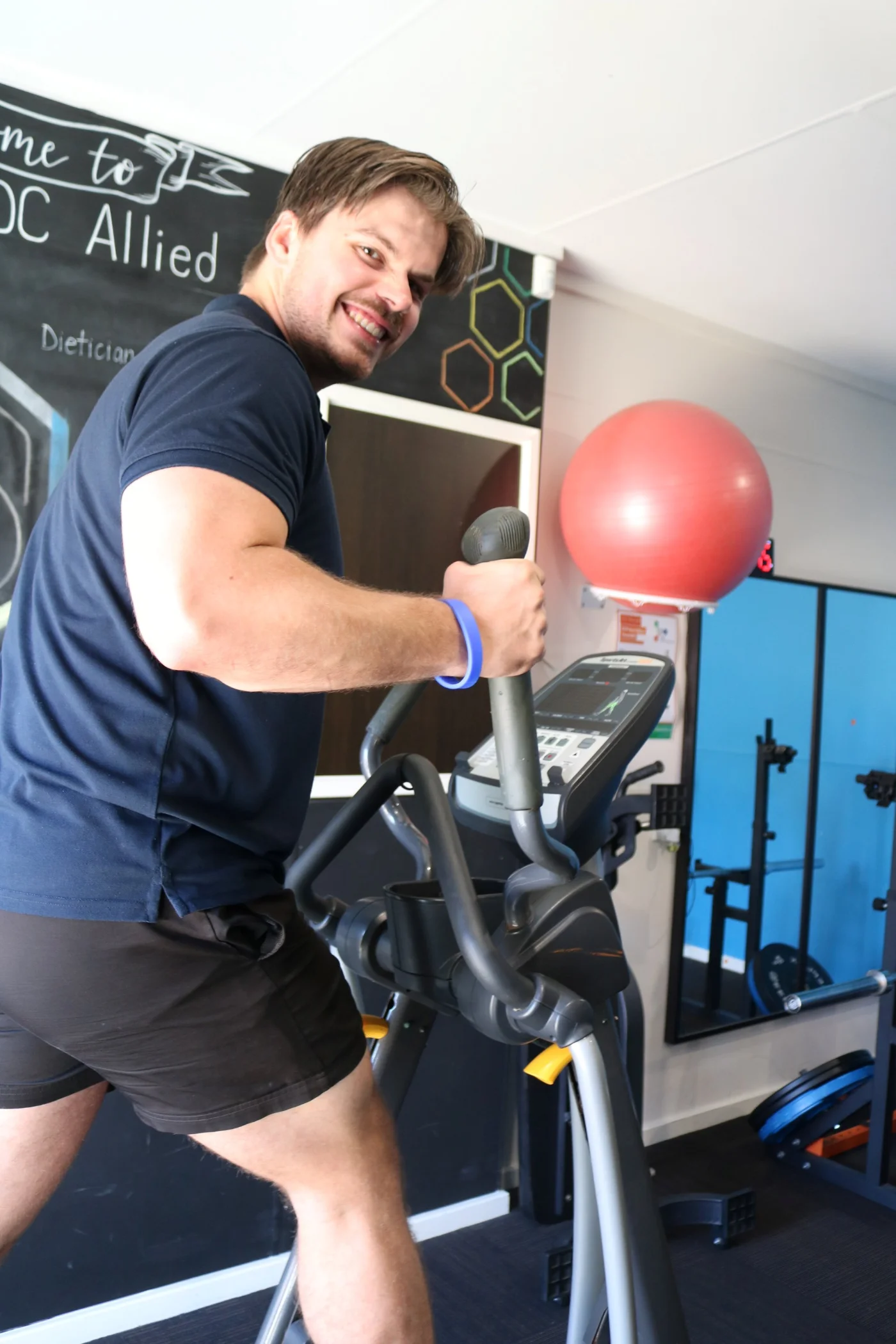
Our care follows the Stroke Foundation Clinical Guidelines for Stroke Management, the National Rehabilitation Stroke Services Framework and current Australian physiotherapy guidance.
Rehabilitation should start as soon as possible. The national rehabilitation framework says it should begin the first day after a stroke, usually in hospital. Private physiotherapy often continues that work once you are home, alongside your GP and rehabilitation team.
Improvement can continue for years after a stroke, although it is often quickest in the first six months. Regular practice helps keep progress going. We cannot promise a particular result, but we review your goals and program with you over time.
We assess how you sit, stand, walk and use your arm, then set goals with you. Treatment is mostly repeated practice of real tasks, plus balance and walking work, advice on walking aids, and a home program so practice continues between visits.
No referral is needed for private appointments. With a GP Chronic Condition Management Plan, Medicare rebates apply to up to five eligible allied health services a calendar year. Private health extras, DVA, the NDIS or aged care funding may also help, depending on eligibility.
Use FAST: Face (has the mouth drooped?), Arms (can they lift both?), Speech (is it slurred, or hard to understand?), Time (call 000 straight away). Call 000 even if symptoms pass quickly, because they can signal a transient ischaemic attack (TIA).
Tell us what is going on and we will point you to the right discipline, or to more than one. Most people start with a single appointment and leave with a plan the rest of the team can see.
Or go straight to a service
Phone (08) 6110 0570 · Medicare, NDIS, DVA and private options across our services
For GPs and health professionals
Send an online referral in under two minutes. One referral reaches every discipline at PDC Health Hub.
