Follow us

Search
For health professionalsContact usPress Enter to search. For products, try the shop filter.
 (08) 6110 0570
 admin@pdchealthhub.com.au
Press Enter to search. For products, try the shop filter.
(08) 6110 0570admin@pdchealthhub.com.auExercise is part of standard care for people living with Parkinson's disease. Physiotherapy builds movement, balance and confidence alongside your medication and medical team.
Parkinson's disease is a long-term condition of the brain that affects movement. People living with Parkinson's disease may notice tremor, stiffness, slowness and smaller movements (bradykinesia), shuffling steps, freezing and poor balance. Falls are common, with Parkinson's Australia reporting rates of 40 to 70 percent.1 Symptoms and their pace vary from person to person. Medication and the overall treatment plan are managed by a neurologist and GP, with allied health professionals, including physiotherapists, as part of the care team.2
Exercise is a core part of Parkinson's care,3 and NICE advises Parkinson's-specific physiotherapy for people with balance or movement problems.4 The American Physical Therapy Association guideline strongly recommends moderate to high intensity aerobic exercise, resistance, balance and gait training, and external cueing.5 European guidance also supports large-amplitude movement training and cueing strategies, ideally from therapists experienced in Parkinson's. Physiotherapy complements medical management and does not replace it.6
PHOTO NEEDED · Add a Hero Image to this condition in the CMS: a PDC clinician with a client, natural light, no identifiable health information on screen
Symptoms are a guide, not a diagnosis. Your GP confirms the diagnosis; our team helps you manage it day to day.
The teams and services that most often support people with this condition. They work from one shared plan, and one GP referral reaches all of them.
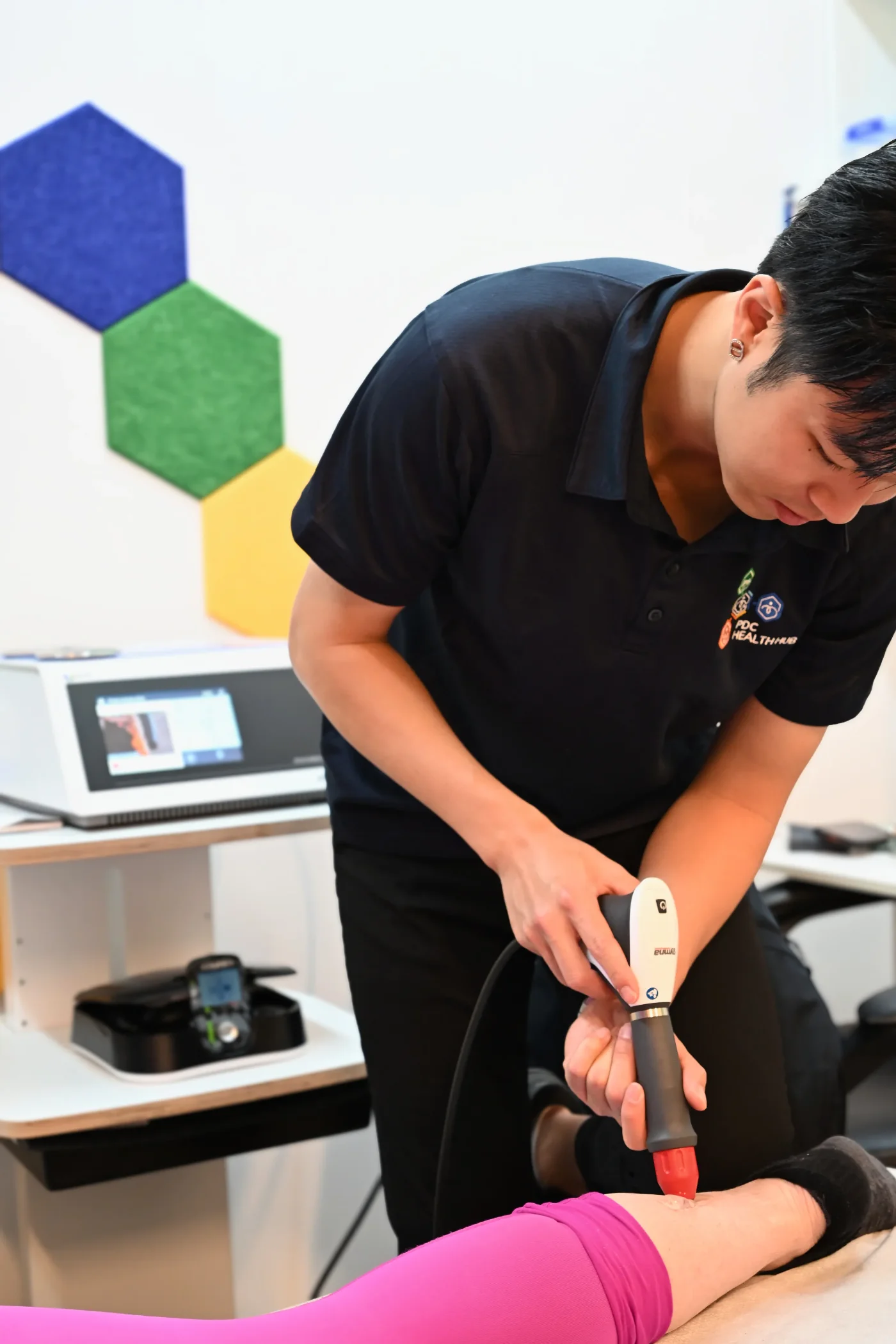
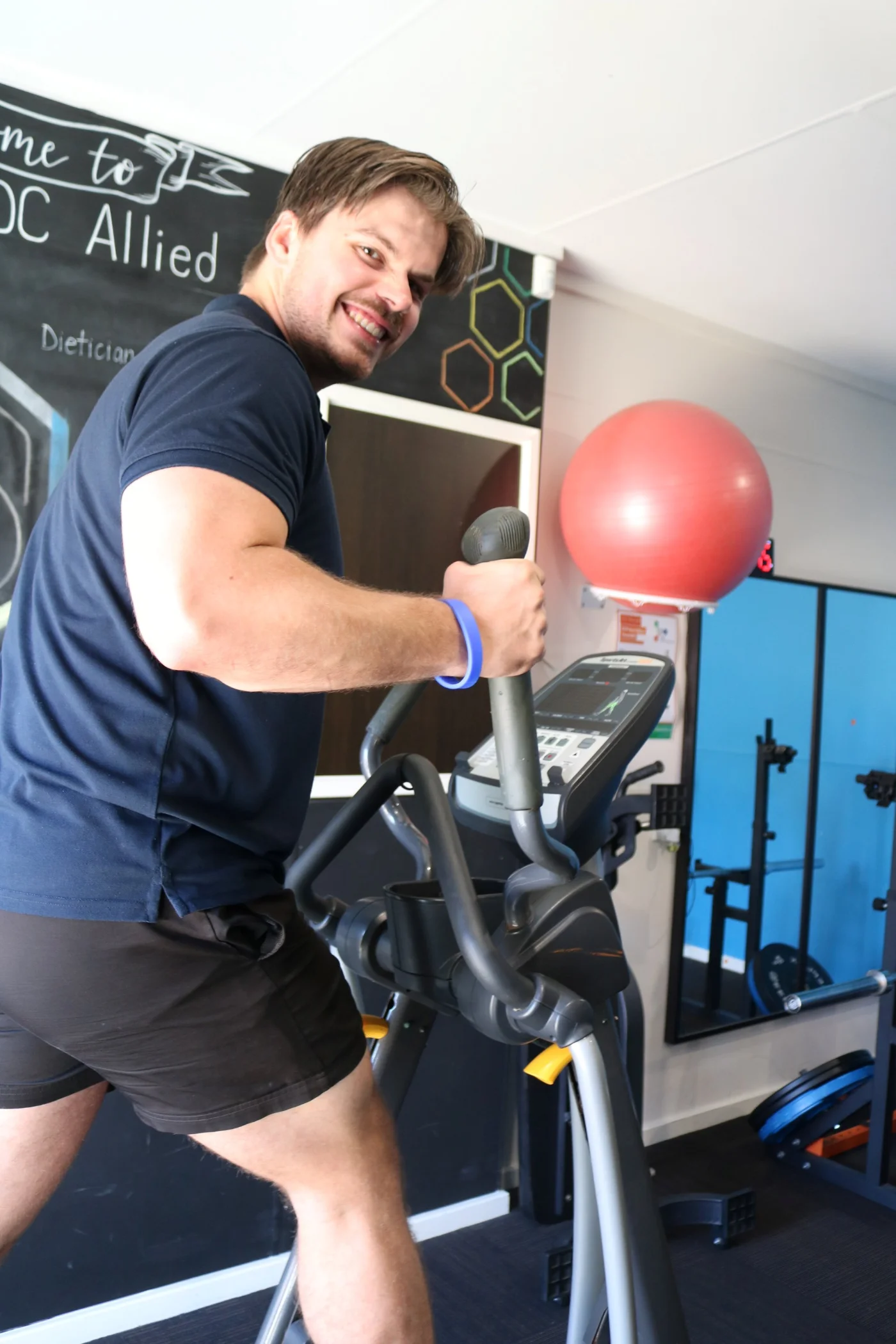
Our care follows Parkinson's Australia guidance, the NICE Parkinson's disease guideline, the European Physiotherapy Guideline and the American Physical Therapy Association clinical practice guideline.
Exercise is a core part of Parkinson's care, and guidelines support aerobic, strength, balance and walking training. It helps movement, balance and everyday function. It works alongside your medication and neurologist's care, not instead of it.
Guidelines recommend moderate to high intensity aerobic exercise, resistance training, balance and gait training, large-amplitude movements and cueing. We tailor intensity to your stage, safety and other health conditions, and build up gradually.
Exercise training can improve balance and walking and reduce falls in people living with Parkinson's disease. Cueing strategies, such as visual or rhythmic cues, are also recommended for freezing of gait. We tailor both to where and when you struggle.
No referral is needed for private appointments. With a GP Chronic Condition Management Plan, Medicare rebates apply to up to five eligible allied health services a calendar year. Private health extras, the NDIS or aged care funding may also help, depending on eligibility.
Early. NICE suggests considering referral to a physiotherapist experienced in Parkinson's soon after diagnosis for assessment, education and advice on physical activity, and offering Parkinson's-specific physiotherapy once balance or movement problems appear.
Tell us what is going on and we will point you to the right discipline, or to more than one. Most people start with a single appointment and leave with a plan the rest of the team can see.
Or go straight to a service
Phone (08) 6110 0570 · Medicare, NDIS, DVA and private options across our services
For GPs and health professionals
Send an online referral in under two minutes. One referral reaches every discipline at PDC Health Hub.
