Follow us

Search
For health professionalsContact usPress Enter to search. For products, try the shop filter.
 (08) 6110 0570
 admin@pdchealthhub.com.au
Press Enter to search. For products, try the shop filter.
(08) 6110 0570admin@pdchealthhub.com.auObstructive sleep apnoea is when your upper airway narrows or closes again and again while you sleep, so your breathing slows or stops for short periods and your sleep is broken up.
Obstructive sleep apnoea (OSA) happens when the upper airway narrows or closes over and over while you are asleep. Breathing slows or stops for around ten seconds or longer, oxygen levels fall, and a brief arousal restarts your breathing.2 This can happen hundreds of times a night, and most people have no memory of it. The clues often come from a bed partner: loud snoring, restless sleep and pauses in breathing. Through the day it shows up as sleep that does not refresh you, tiredness, poor concentration and low mood.1,2
Untreated moderate to severe sleep apnoea is linked with high blood pressure, heart attack, stroke, diabetes, depression and accidents, including crashes on the road.2 Driving is part of this. If your driving is likely to be affected you have a legal obligation to notify the driver licensing authority, and in Western Australia sleep apnoea is named as a reportable sleep disorder.6,7 Diagnosis is not made on symptoms alone. Your GP or specialist arranges an overnight sleep study, which measures your sleep, breathing and oxygen levels.1,2 Nodding off at the wheel means stopping and seeing your GP today.5 PDC clinicians do not diagnose sleep apnoea and do not prescribe therapy.
Mild sleep apnoea with few symptoms may settle with weight loss, less alcohol in the evening and sleeping off your back. Moderate to severe sleep apnoea usually needs active treatment. The two main options are CPAP, a quiet bedside pump that delivers air through a mask to hold the airway open, and an oral appliance fitted by a dentist that holds the lower jaw forward.2,3 Surgery is considered mainly when those have not worked. Sleep apnoea and type 2 diabetes are very often found together, and weight sits in the middle of both, which is why a diabetes centre runs a sleep clinic.4
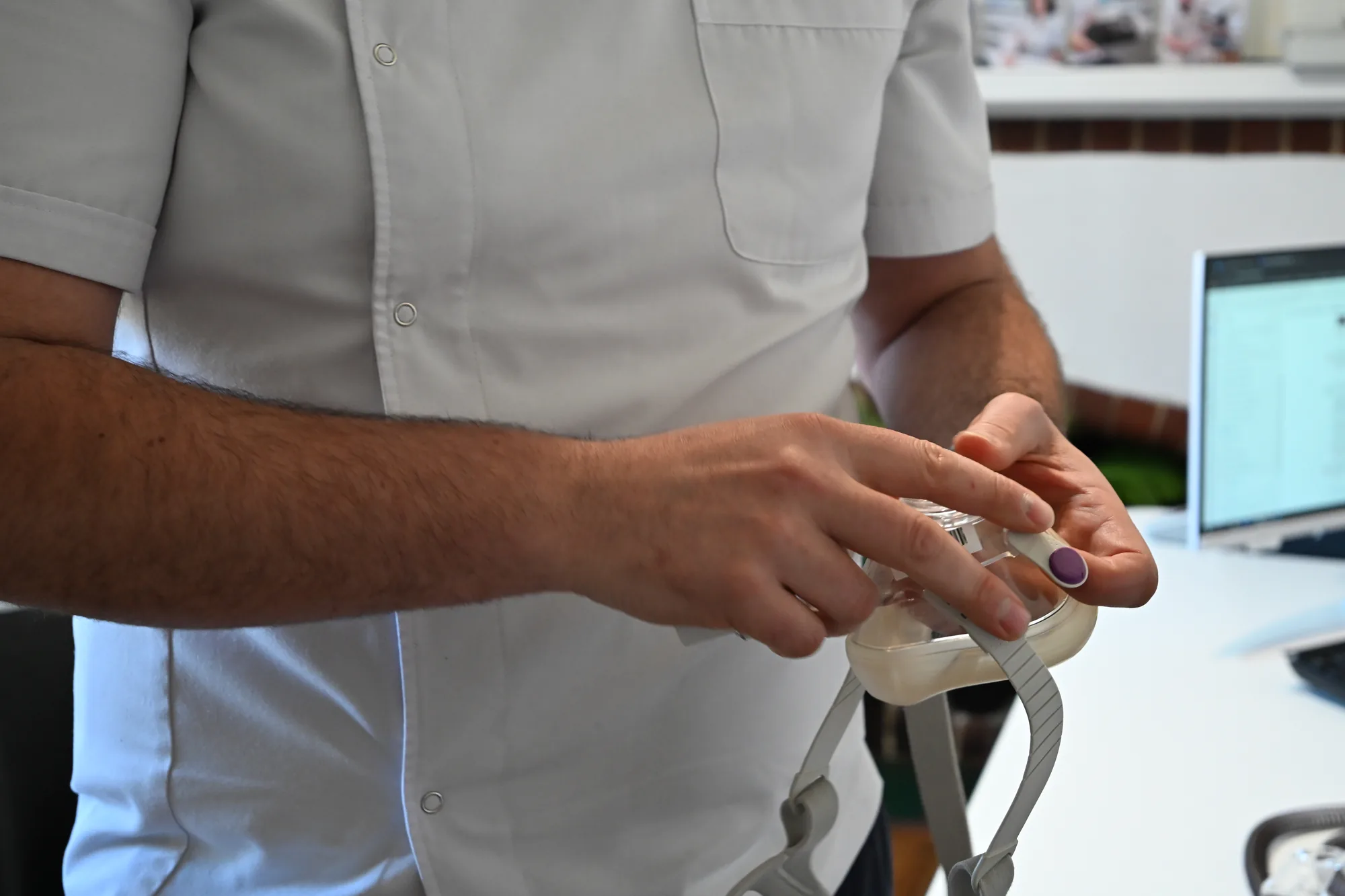
PHOTO NEEDED · Add a Hero Image to this condition in the CMS: a PDC clinician with a client, natural light, no identifiable health information on screen
Symptoms are a guide, not a diagnosis. Your GP confirms the diagnosis; our team helps you manage it day to day.
The teams and services that most often support people with this condition. They work from one shared plan, and one GP referral reaches all of them.


This page follows Australian guidance: Sleep Health Foundation fact sheets on obstructive sleep apnoea, CPAP and diabetes and sleep, and Healthdirect's obstructive sleep apnoea information. The driving content follows Austroads Assessing Fitness to Drive (6th edition, 2022) and the WA Department of Transport.
Start with your GP. They will ask about your sleep, examine your nose and throat, and arrange an overnight sleep study, either in a sleep laboratory or at home for some people. The study measures your breathing and oxygen while you sleep and is the reliable way to confirm sleep apnoea and how severe it is. PDC does not arrange sleep studies and does not make the diagnosis.
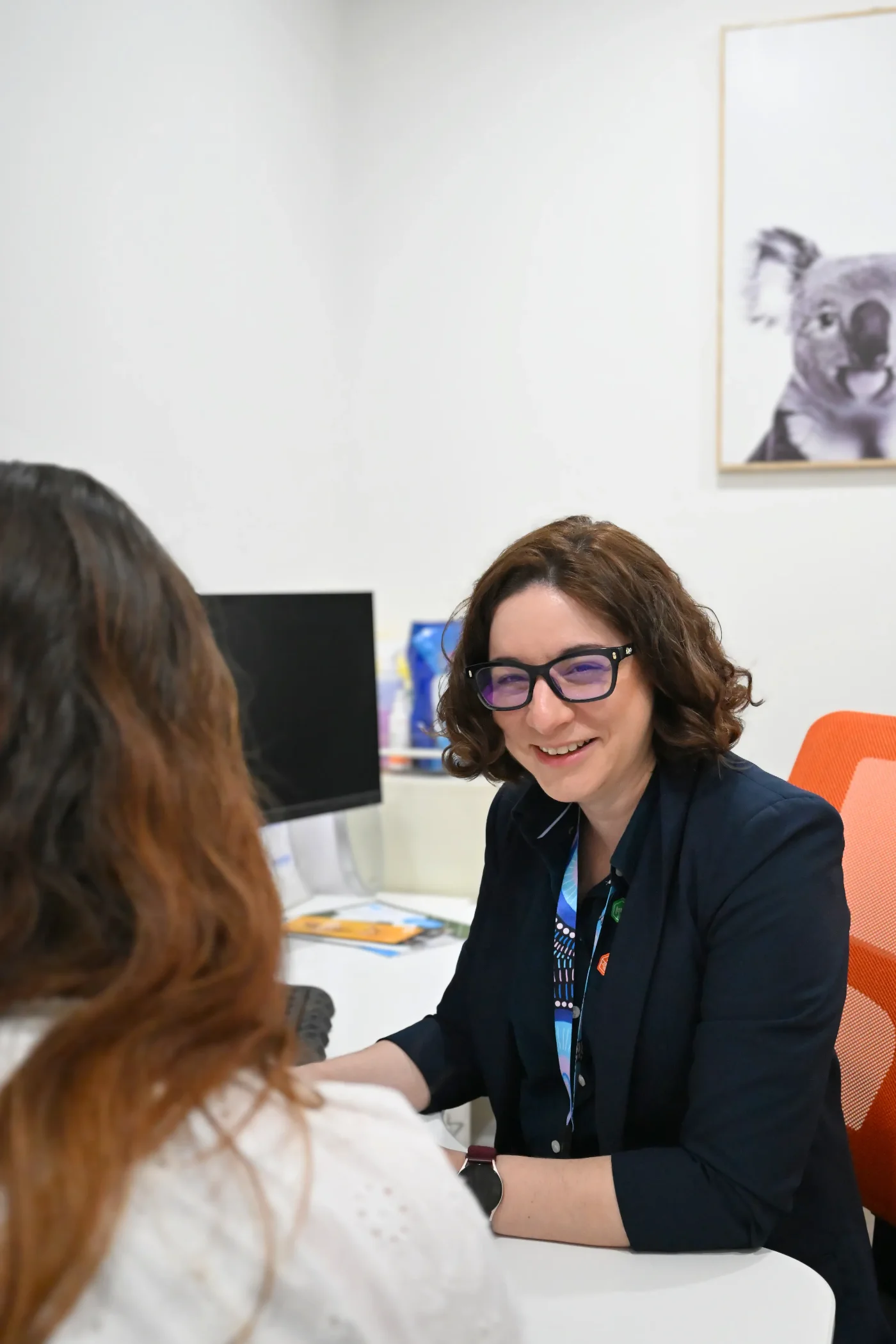
CPAP works at a pressure set for you, and that setting comes from your doctor or sleep physician after a sleep study. Once you have that plan, we can fit the mask, supply the machine and consumables, and help you get used to it. If your snoring or tiredness comes back later, that is a reason to go back to your sleep doctor rather than to change things yourself.
If you hold a Western Australian licence or learner's permit, you are required by law to report a long term condition that is likely to affect your driving to the Department of Transport, and sleep apnoea is listed as an example of a reportable sleep disorder. Reporting does not usually mean losing your licence: a licence condition, a medical assessment or no action at all are all common outcomes. Your treating doctor gives the Department input on whether you are using treatment and whether it is working. PDC does not do fitness to drive assessments.
Sleep apnoea and diabetes are very often found together, and when one is diagnosed the other is often present as well. Carrying extra weight raises the risk of both, and poor sleep can push food choices and eating times in the wrong direction. CPAP eases the sleep apnoea symptoms, but it is not a diabetes treatment, so keep taking your prescribed diabetes medicines and talk to your doctor before any change.
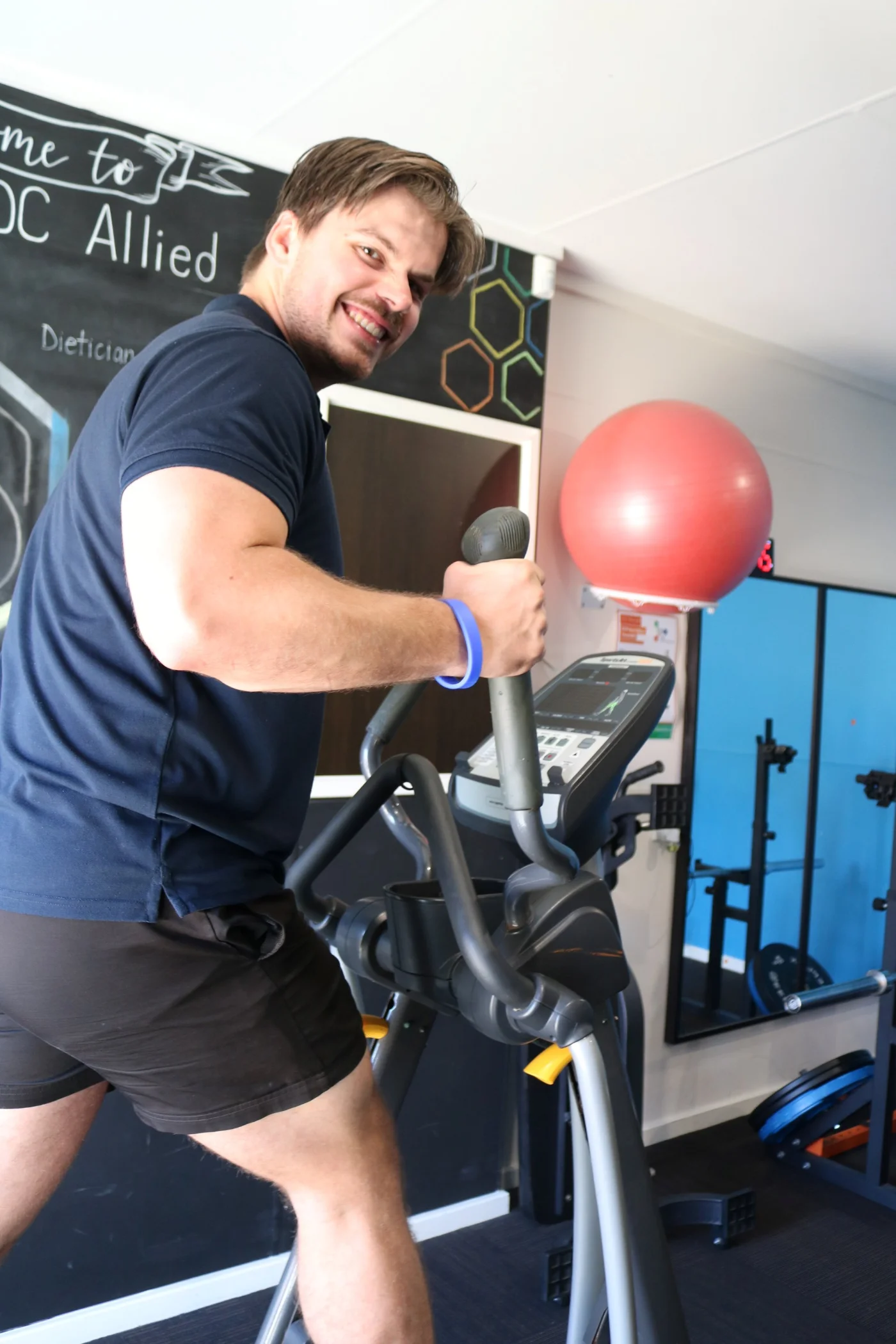
Losing weight can reduce sleep apnoea, and for some people it improves things a great deal. It is not guaranteed and it does not happen quickly, so most people keep using their treatment while they work on it. Our dietitian and exercise physiologist can build a plan with you, and your sleep doctor decides when your therapy should be reviewed.
Tell us what is going on and we will point you to the right discipline, or to more than one. Most people start with a single appointment and leave with a plan the rest of the team can see.
Or go straight to a service
Phone (08) 6110 0570 · Medicare, NDIS, DVA and private options across our services
For GPs and health professionals
Send an online referral in under two minutes. One referral reaches every discipline at PDC Health Hub.