Follow us

Search
For health professionalsContact usPress Enter to search. For products, try the shop filter.
 (08) 6110 0570
 admin@pdchealthhub.com.au
Press Enter to search. For products, try the shop filter.
(08) 6110 0570admin@pdchealthhub.com.auHip pain often comes from arthritis or sore tendons on the outside of the hip. Education and a tailored exercise program are first-line care, before surgery is considered.
Hip pain can be felt in the groin, the outer hip, the buttock or the thigh. Two common causes are arthritis of the hip (hip osteoarthritis), which is the most common cause of hip arthritis, particularly in people over 50, and pain over the bony point on the outside of the hip from irritated tendons (greater trochanteric pain syndrome, which includes gluteal tendinopathy).1 Arthritis of all types affects about 3.7 million Australians.2 Because other problems, including pain referred from the back, can feel similar, a careful assessment is the first step.
Australian guidance for hip osteoarthritis centres on self-management education and exercise, with weight management where relevant, before surgery is considered.3 UK NICE guidance agrees that exercise and weight management are core treatments, that the condition can be diagnosed without imaging, and that joint replacement is considered when symptoms substantially affect quality of life despite non-surgical care.4 For gluteal tendinopathy, an Australian randomised trial found education plus exercise gave better overall improvement than a corticosteroid injection at 8 and 52 weeks.5
PHOTO NEEDED · Add a Hero Image to this condition in the CMS: a PDC clinician with a client, natural light, no identifiable health information on screen
Symptoms are a guide, not a diagnosis. Your GP confirms the diagnosis; our team helps you manage it day to day.
The teams and services that most often support people with this condition. They work from one shared plan, and one GP referral reaches all of them.
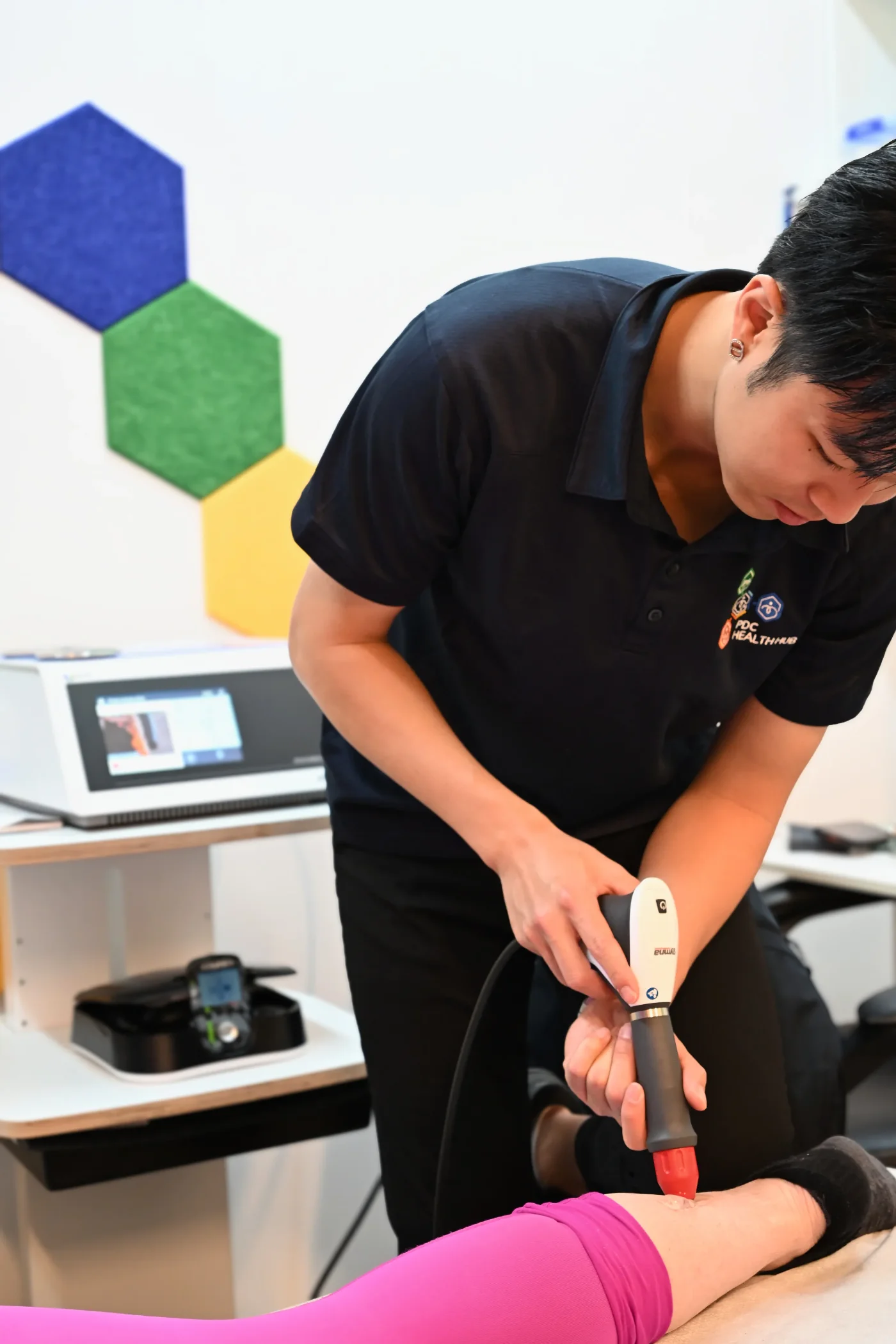
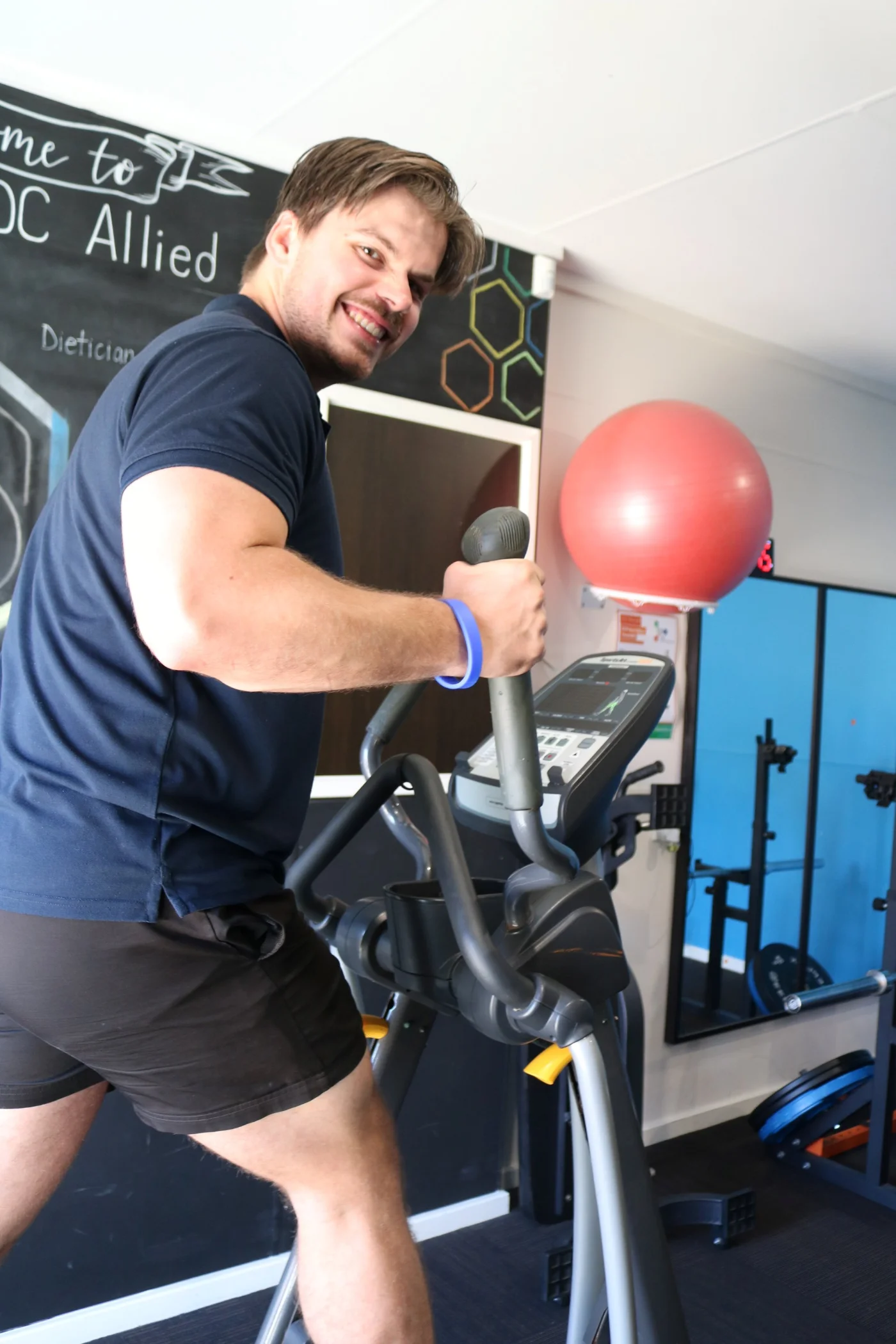
Our hip pain care follows Australian osteoarthritis guidance (RACGP) and current physiotherapy evidence, with NICE and clinical trial evidence used where Australian guidance is limited.
A common cause is irritation of the tendons on the outer hip, called gluteal tendinopathy or greater trochanteric pain syndrome.<sup>1</sup> It is often sore when lying on that side. Your physio checks the hip and back to confirm the cause.
Not always. Hip osteoarthritis can be diagnosed from your history and examination without imaging.<sup>4</sup> If your symptoms do not fit, or surgery is being considered, we will liaise with your GP about whether a scan or specialist review would help.
In one Australian trial, education plus exercise led to better overall improvement than a corticosteroid injection at 8 and 52 weeks, although pain scores were similar by 52 weeks.<sup>5</sup> Injections are a decision for you and your doctor.
Not necessarily. Guidance recommends exercise, education and weight management first, and considers joint replacement when symptoms substantially affect quality of life despite non-surgical care.<sup>4</sup> We help you get the most from non-surgical care and liaise with your GP if referral is appropriate.
No referral is needed for private appointments. With a GP Chronic Condition Management Plan, Medicare rebates apply to up to five eligible allied health services a calendar year. Private health extras, DVA or workers compensation may also help, depending on your situation.
Tell us what is going on and we will point you to the right discipline, or to more than one. Most people start with a single appointment and leave with a plan the rest of the team can see.
Or go straight to a service
Phone (08) 6110 0570 · Medicare, NDIS, DVA and private options across our services
For GPs and health professionals
Send an online referral in under two minutes. One referral reaches every discipline at PDC Health Hub.
