Follow us

Search
For health professionalsContact usPress Enter to search. For products, try the shop filter.
 (08) 6110 0570
 admin@pdchealthhub.com.au
Press Enter to search. For products, try the shop filter.
(08) 6110 0570admin@pdchealthhub.com.auPhysiotherapy for autistic children and adults supports movement skills, strength, balance and taking part in sport and play. Sessions are adjusted to sensory needs, and we do not aim to treat autism itself.
Autism is a difference in how a person's brain develops, shaping how they communicate, interact and experience the world. Autistic people have different strengths and support needs, and Australian autism organisations report that most autistic people prefer identity-first language, such as autistic person.12 Differences in movement are common: in a Western Australian study of more than 2,000 children on the state autism register, about 35% of those aged six or under met criteria for motor difficulties.3 Some autistic people are also sensitive to lighting, noise or unexpected change, which can affect how they take part in physical activity.5
Physiotherapy does not treat autism. It supports motor skills, coordination, strength, balance and the confidence to take part in sport, play and daily life. A 2025 systematic review of randomised trials found exercise programs improved motor skills and coordination in autistic children, although the authors call for larger, longer studies.4 We adapt sessions to each person, for example with predictable routines and quieter spaces.5 Physiotherapy can also be NDIS funded when it meets funding criteria.6
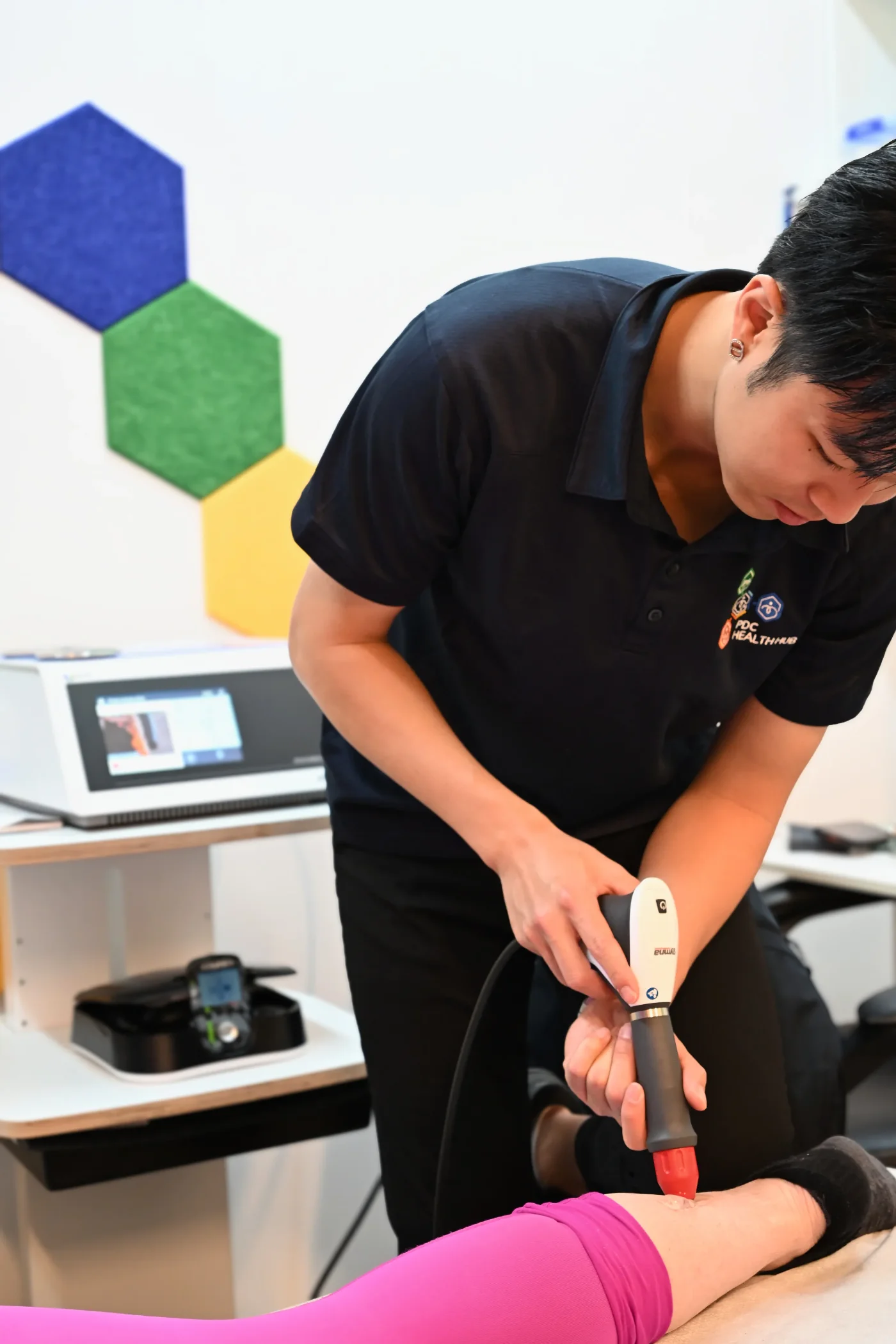
PHOTO NEEDED · Add a Hero Image to this condition in the CMS: a PDC clinician with a client, natural light, no identifiable health information on screen
Symptoms are a guide, not a diagnosis. Your GP confirms the diagnosis; our team helps you manage it day to day.
The teams and services that most often support people with this condition. They work from one shared plan, and one GP referral reaches all of them.
Our care follows the language and accessibility guidance of Amaze and Autism CRC, and current research on exercise and motor skills for autistic children.
No. Autism is not an illness and is not something we try to treat. Physiotherapy supports motor skills, coordination, strength and balance, and helps autistic children and adults take part in sport, play and daily life in ways that suit them.
Motor coordination differences are common in autistic children. A Western Australian study found about one in three children aged six or under on the state register met criteria for motor difficulties. A physiotherapist can assess movement and build skills through practice.
Yes. We can adapt the pace, the space and how instructions are given, for example with a predictable routine, a quieter room and breaks. Tell us about sounds, touch, lights or routines that help or cause distress before the first visit.
No referral is needed for private appointments. With a GP Chronic Condition Management Plan, Medicare rebates apply to up to five eligible allied health services a calendar year. Physiotherapy may also be funded through NDIS Capacity Building supports, depending on your plan, or by private health extras.
It can help build skills such as balance, throwing, catching and stamina, and the confidence to try activities. We practise the movements your child wants to do, in a way that suits them, and give simple home practice.
Tell us what is going on and we will point you to the right discipline, or to more than one. Most people start with a single appointment and leave with a plan the rest of the team can see.
Or go straight to a service
Phone (08) 6110 0570 · Medicare, NDIS, DVA and private options across our services
For GPs and health professionals
Send an online referral in under two minutes. One referral reaches every discipline at PDC Health Hub.