Follow us

Search
For health professionalsContact usPress Enter to search. For products, try the shop filter.
 (08) 6110 0570
 admin@pdchealthhub.com.au
Press Enter to search. For products, try the shop filter.
(08) 6110 0570admin@pdchealthhub.com.auPhysiotherapy can help a child or adult with cerebral palsy build strength, movement and independence. We set goals with you and focus on active practice of the things that matter in daily life.
Cerebral palsy is a lifelong physical disability that affects movement, posture, muscle tone and balance.1 It happens when the brain develops differently or is injured before, during or soon after birth, and it generally does not get worse over time.2 About 1 in 700 Australian babies receives a diagnosis.1 The Gross Motor Function Classification System (GMFCS) describes how a child usually gets around in five levels, from walking independently in most settings (Level I) to using a wheelchair for all mobility (Level V).3
Physiotherapy for a person with cerebral palsy focuses on function and participation: moving, playing, learning, working and getting around the community, rather than trying to change the condition itself. Current evidence favours active, individualised, goal-directed practice over passive treatment, and Cerebral Palsy Alliance rates goal-directed training as a green light (go) approach.45 Children may need many hours of practice for each goal.4 Physiotherapy can also be funded through the NDIS when it meets funding criteria.6
PHOTO NEEDED · Add a Hero Image to this condition in the CMS: a PDC clinician with a client, natural light, no identifiable health information on screen
Symptoms are a guide, not a diagnosis. Your GP confirms the diagnosis; our team helps you manage it day to day.
The teams and services that most often support people with this condition. They work from one shared plan, and one GP referral reaches all of them.
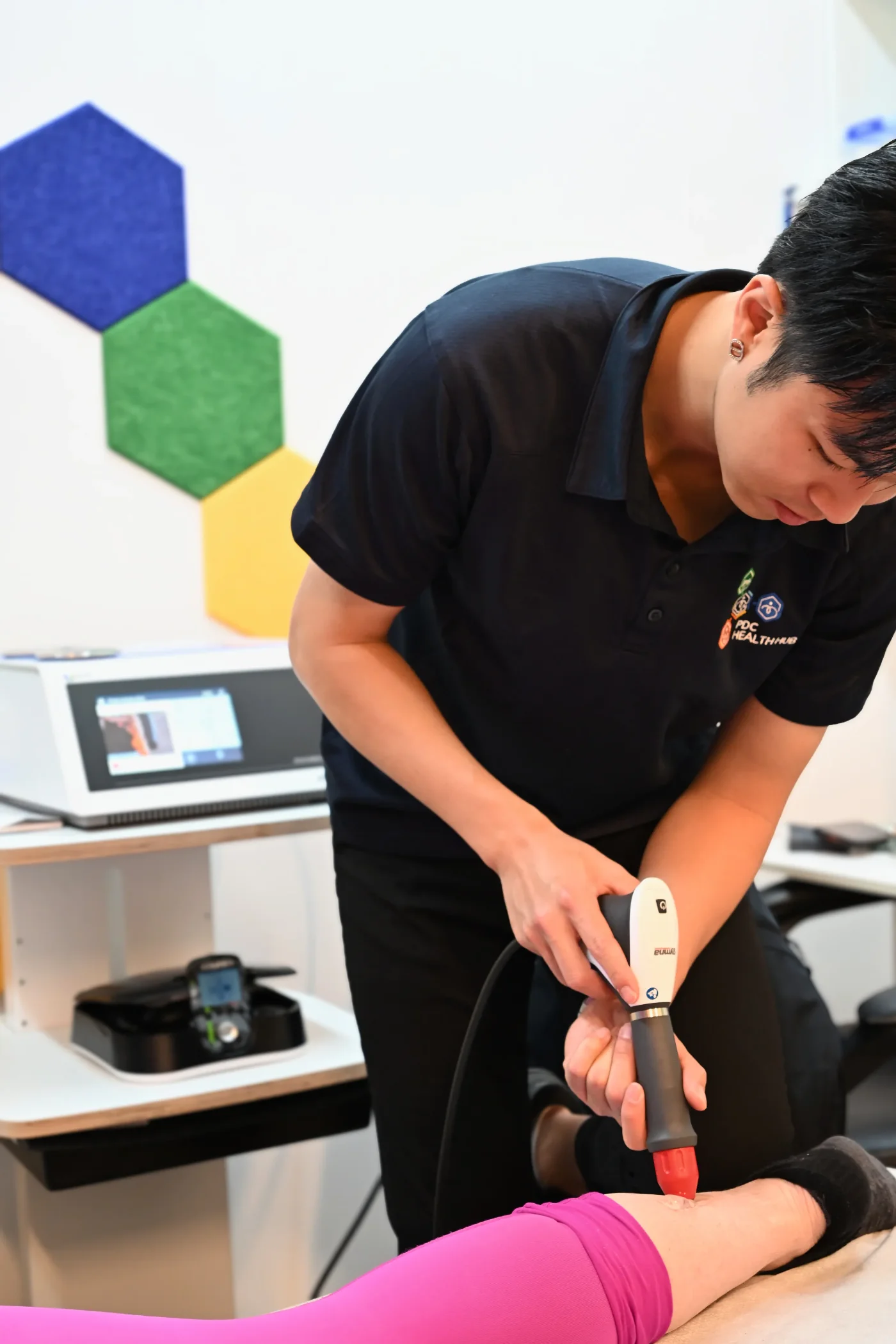
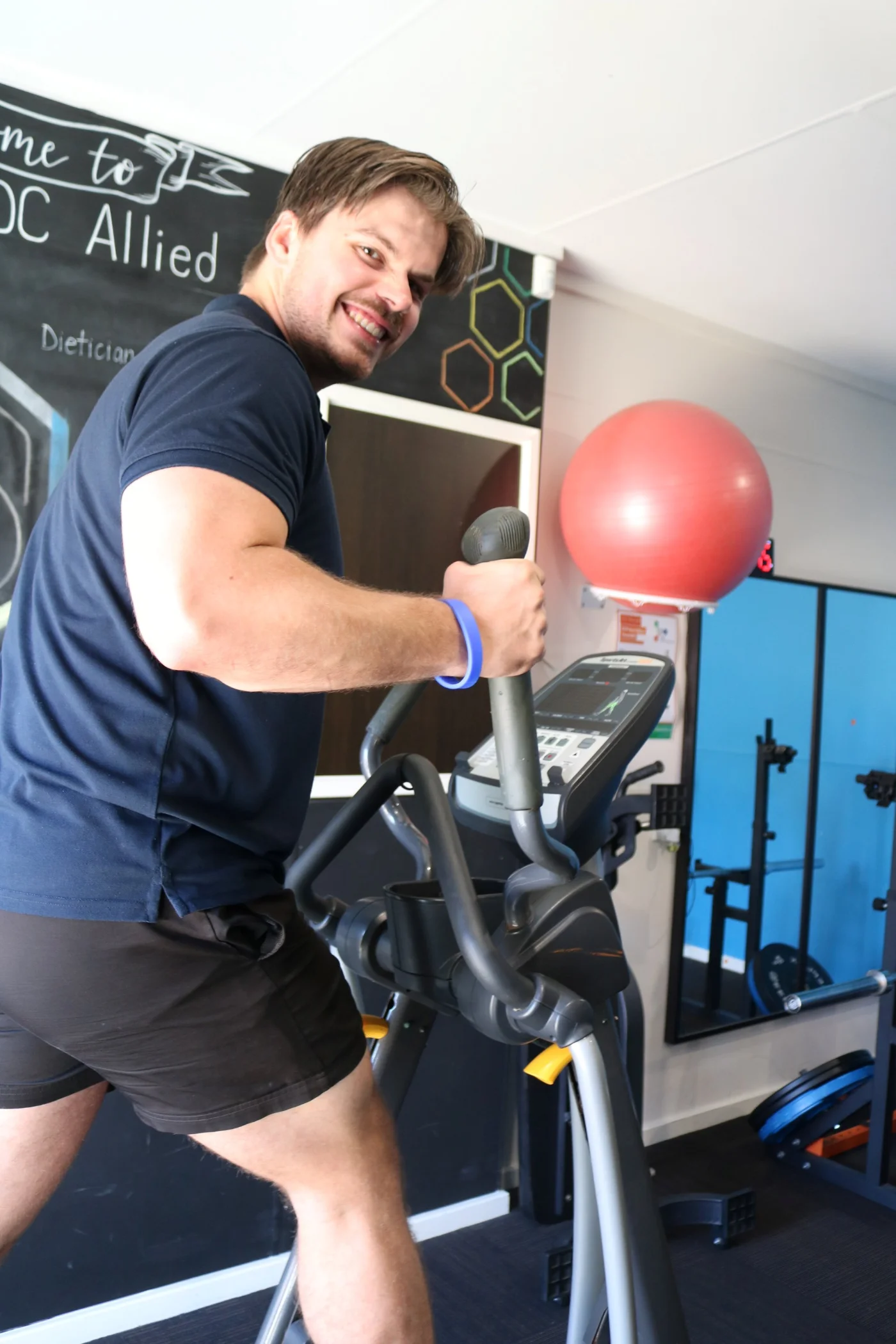
Our care follows the goal-directed, family-centred and active practice principles described by Cerebral Palsy Alliance and current research, with reports aligned to the NDIS Therapy supports guide.
No. Cerebral palsy is lifelong, so adults can benefit too. Physiotherapy in adulthood often focuses on keeping strength, fitness and mobility, easing pain and tightness, and staying active at home, work and in the community. Goals change across life stages.
Mostly active practice. We agree goals with you, such as walking further or dressing independently, then practise those tasks with coaching and feedback. Research favours goal-directed, active approaches over passive treatment, and we review the plan as goals change.
The Gross Motor Function Classification System sorts everyday mobility into five levels, I to V. It describes how a child usually gets around day to day. We use it alongside your family's goals to plan therapy, equipment and what to practise.
No referral is needed for private appointments. With a GP Chronic Condition Management Plan, Medicare rebates apply to up to five eligible allied health services a calendar year. Physiotherapy may also be funded through NDIS Capacity Building supports, depending on your plan, or by private health extras.
It depends on the goals, age and stage. Some children do short, focused blocks of therapy with a home program, while others check in less often. We agree a plan with you and review it regularly rather than setting a fixed number of sessions.
Tell us what is going on and we will point you to the right discipline, or to more than one. Most people start with a single appointment and leave with a plan the rest of the team can see.
Or go straight to a service
Phone (08) 6110 0570 · Medicare, NDIS, DVA and private options across our services
For GPs and health professionals
Send an online referral in under two minutes. One referral reaches every discipline at PDC Health Hub.
