Follow us

Search
For health professionalsContact usPress Enter to search. For products, try the shop filter.
 (08) 6110 0570
 admin@pdchealthhub.com.au
Press Enter to search. For products, try the shop filter.
(08) 6110 0570admin@pdchealthhub.com.auPhysiotherapy helps babies, children and adults with Down syndrome build strength, balance and movement skills and stay active safely. We check neck safety before activities that load the neck.
Down syndrome is a genetic condition, and people with Down syndrome may have a higher chance of some health problems.1 Many have low muscle tone (hypotonia) and loose, stretchy ligaments (ligamentous laxity), which can affect strength, balance, posture and walking, and often lead to flat feet.2 Babies and children commonly reach motor milestones such as walking later than their peers.3 Loose ligaments in the upper neck can also make the top two vertebrae less stable (atlantoaxial instability), so neck safety is checked before some activities.2
Physiotherapy cannot reduce ligament laxity, but it can improve motor control, strength and balance.2 Task-specific practice, such as treadmill walking or learning to ride a bike, has been linked with better motor performance and more physical activity.3 For adults, guidelines advise regular exercise and a healthy diet as part of weight management, and a review for signs of neck problems at annual checks.4 If neck symptoms appear, a doctor assesses them before activity continues.5 Physiotherapy can be NDIS funded for eligible participants.6
PHOTO NEEDED · Add a Hero Image to this condition in the CMS: a PDC clinician with a client, natural light, no identifiable health information on screen
Symptoms are a guide, not a diagnosis. Your GP confirms the diagnosis; our team helps you manage it day to day.
The teams and services that most often support people with this condition. They work from one shared plan, and one GP referral reaches all of them.
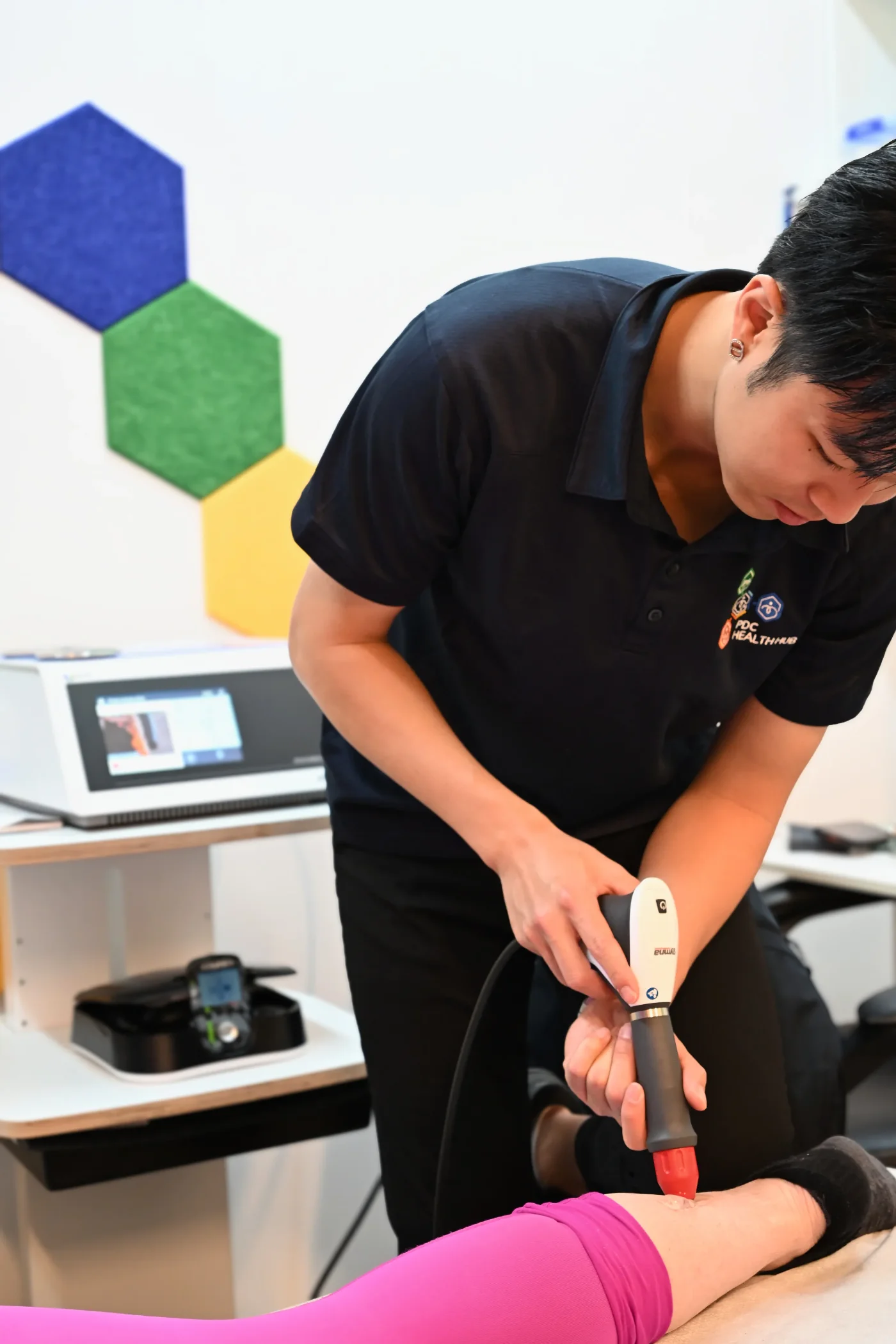
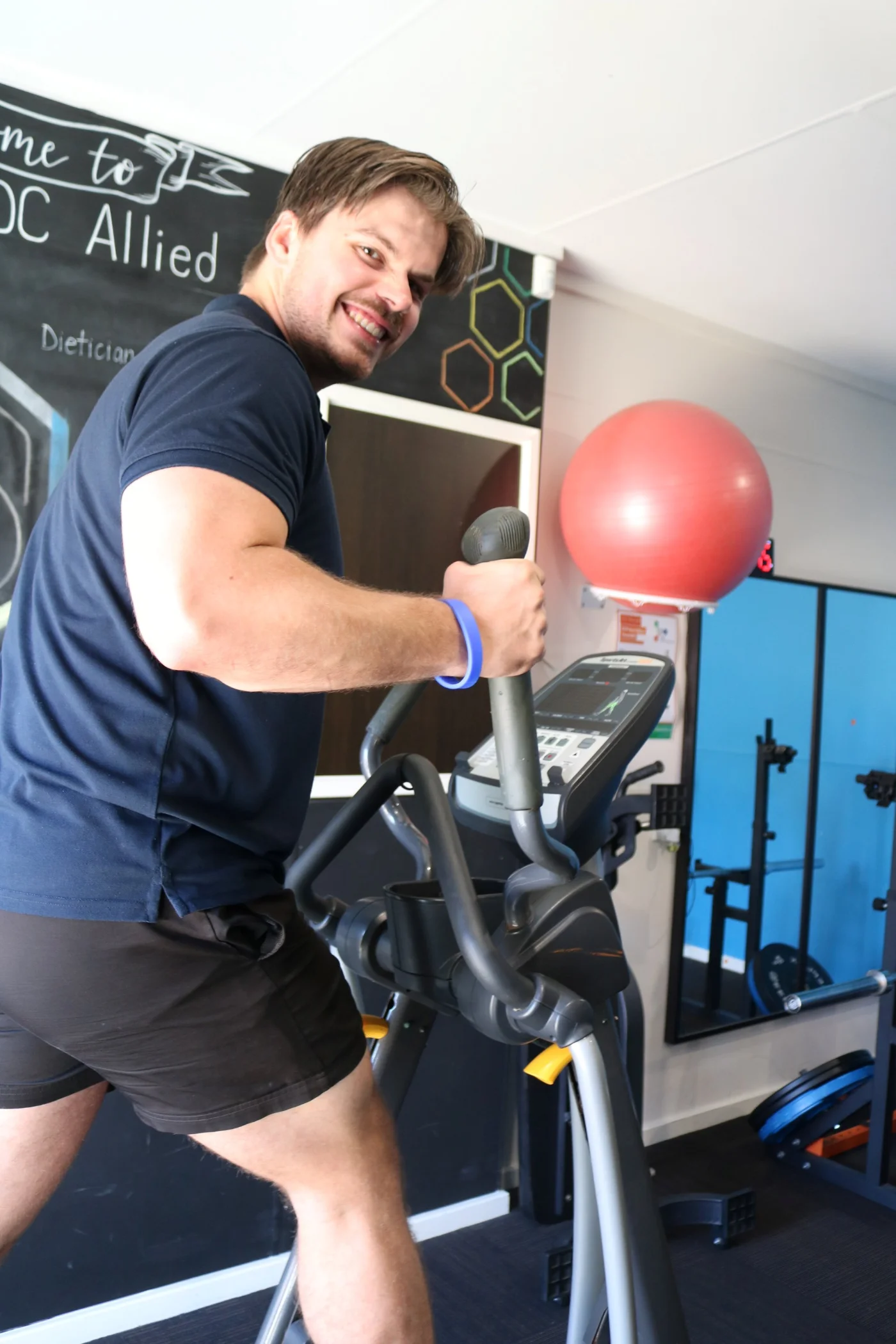
Our care follows the 2020 Global Medical Care Guidelines for Adults with Down Syndrome, as published by Down Syndrome Australia, and current Australian physiotherapy practice.
Many families start in the first year of life, and you do not need to wait for a delay to appear. Early physiotherapy focuses on strength, movement and play, and supports milestones such as sitting, standing and walking.
Most physical activity is encouraged, but some, such as trampolining, diving and certain contact sports, put load through the neck. We ask about neck symptoms and work with your GP or specialist to decide whether further assessment is needed first.
Researchers think several factors contribute, including loose ligaments and how muscles work together. It is not a matter of effort. Strength and balance training can improve movement skills, even though it does not change how stretchy the ligaments are.
No referral is needed for private appointments. With a GP Chronic Condition Management Plan, Medicare rebates apply to up to five eligible allied health services a calendar year. Physiotherapy may also be funded through NDIS Capacity Building supports, depending on your plan, or by private health extras.
Yes. Regular exercise supports fitness, weight and mobility, and a physiotherapist can help with balance, pain or a change in walking. Any sudden or ongoing change in how a person moves or functions should also be raised with their GP.
Tell us what is going on and we will point you to the right discipline, or to more than one. Most people start with a single appointment and leave with a plan the rest of the team can see.
Or go straight to a service
Phone (08) 6110 0570 · Medicare, NDIS, DVA and private options across our services
For GPs and health professionals
Send an online referral in under two minutes. One referral reaches every discipline at PDC Health Hub.
