Follow us

Search
For health professionalsContact usPress Enter to search. For products, try the shop filter.
 (08) 6110 0570
 admin@pdchealthhub.com.au
Press Enter to search. For products, try the shop filter.
(08) 6110 0570admin@pdchealthhub.com.auWeight management works both ways: losing weight, and gaining it safely. What it is not about is willpower. It takes the right support, applied consistently, from a team that does not judge.
Weight is shaped by genes, health conditions, medicines, sleep, stress, money and surroundings, not just food and willpower. Carrying extra weight raises the risk of type 2 diabetes, heart disease, joint pain and sleep apnoea, and losing even around 5 per cent of body weight can improve glucose, blood pressure and cholesterol.12
Some people come to us for the opposite reason: to gain weight safely. That includes athletes and active people building muscle, and older adults or people recovering from illness who are losing weight without meaning to. Losing weight unintentionally needs medical review first, because it can point to a health problem that needs treating.
PDC Health Hub brings Accredited Practising Dietitians, accredited exercise physiologists and pharmacists together in one coordinated program, with no fads, no shame and no one-size-fits-all meal plans.
PHOTO NEEDED · Add a Hero Image to this condition in the CMS: a PDC clinician with a client, natural light, no identifiable health information on screen

Symptoms are a guide, not a diagnosis. Your GP confirms the diagnosis; our team helps you manage it day to day.
The teams and services that most often support people with this condition. They work from one shared plan, and one GP referral reaches all of them.

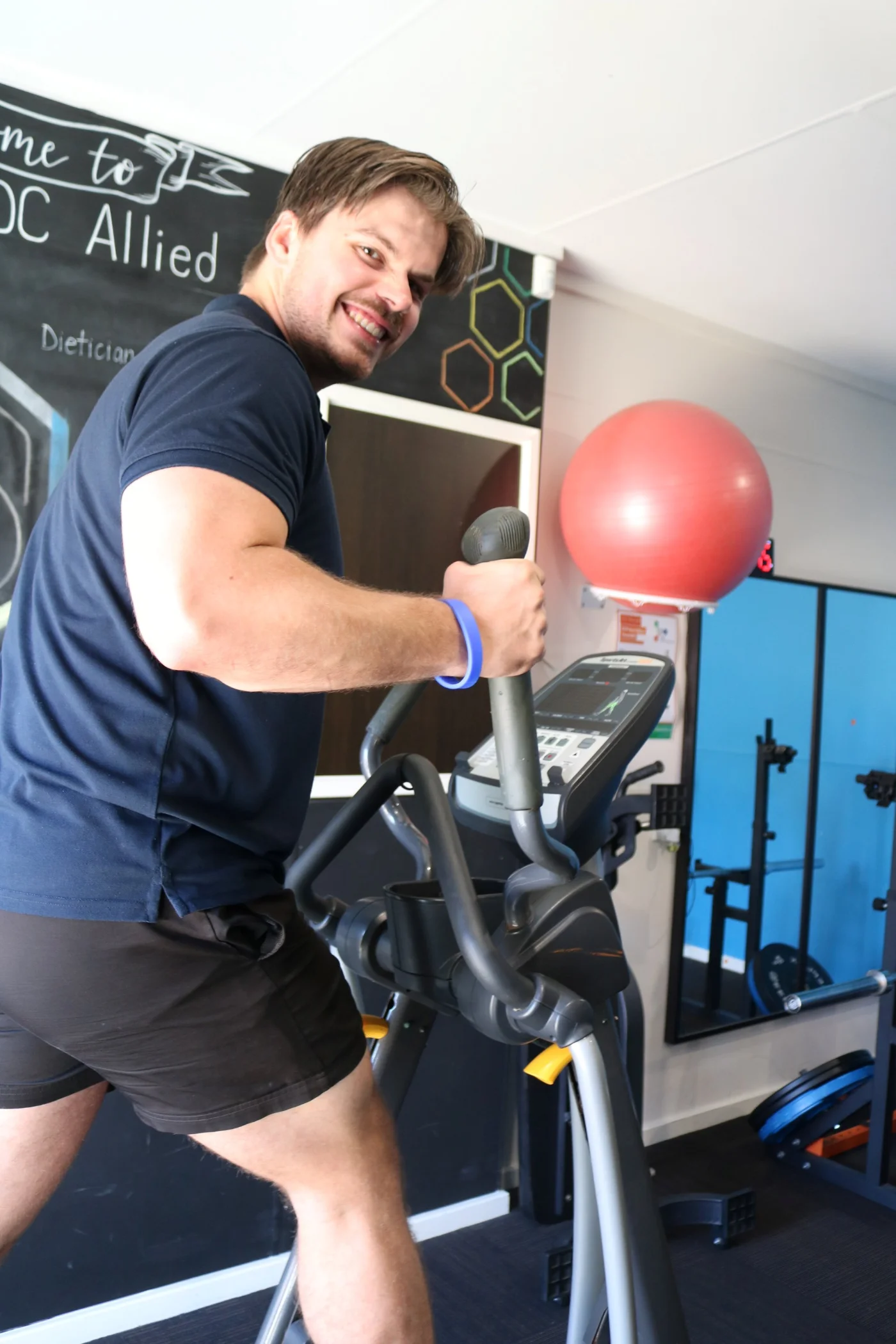
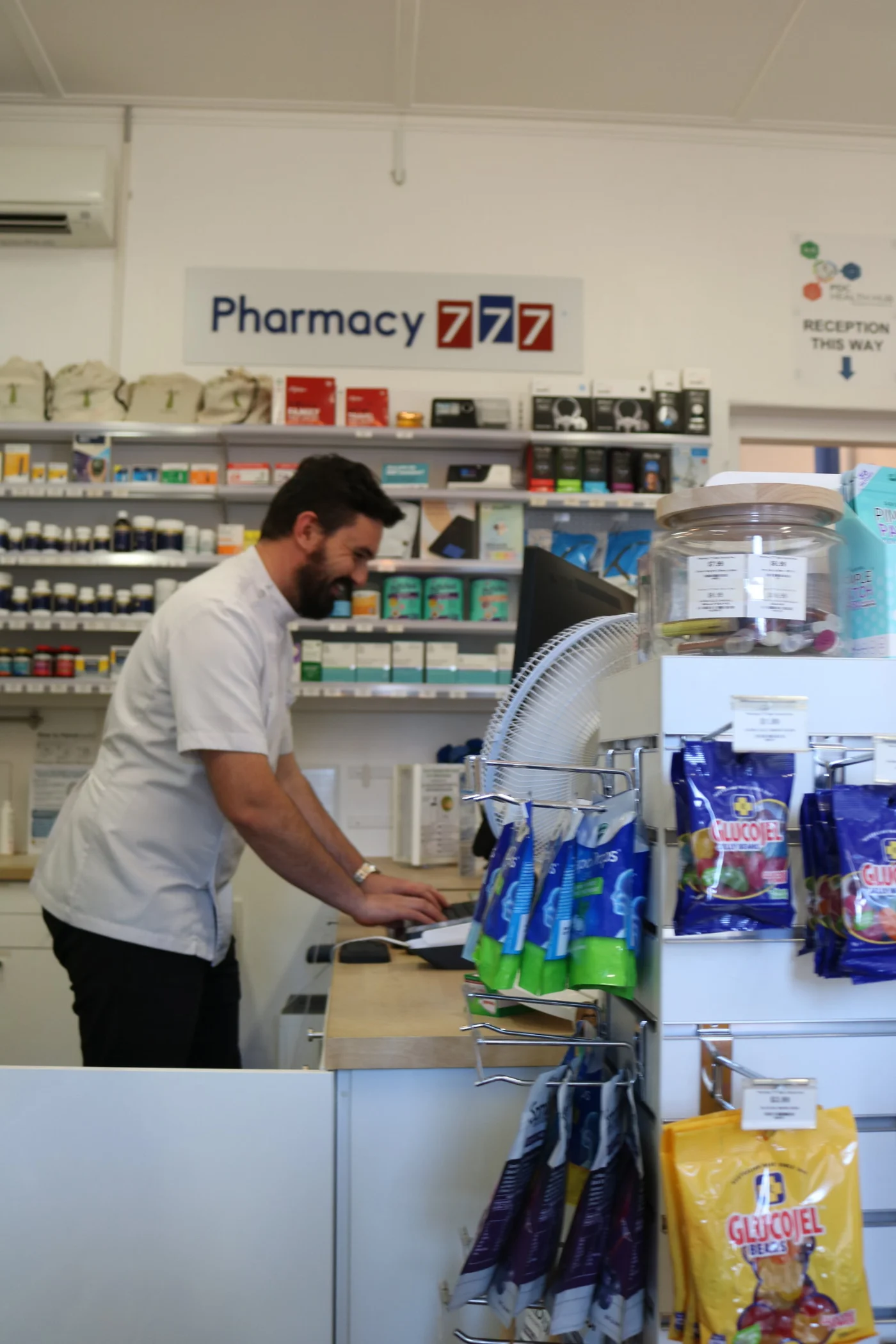
Our program follows the NHMRC clinical practice guidelines for overweight and obesity, the Australian Diabetes Society Australian Obesity Management Algorithm, and Dietitians Australia and ESSA practice guidance.
Prescribing is a decision for your GP or specialist. Our pharmacists and dietitians support you before and during treatment: managing side effects, protecting muscle and nutrition, and building the habits that sustain results if the medicine stops.
Yes. We help athletes and active people build muscle with enough energy and protein, and we help older adults and people recovering from illness who are losing weight unintentionally. Unintentional weight loss should be checked by your GP first, as it can signal something that needs treating.
No. Our clinicians work from a health-first, person-first approach. You set the goals; we provide the structure and the evidence.
With a GP Chronic Condition Management Plan, Medicare rebates apply to up to five eligible allied health visits a calendar year. NDIS funding may apply where support relates to a disability, and private health insurance extras may also help.
Less than most people expect. Losing around 5 per cent of body weight can improve glucose, blood pressure and cholesterol, and the benefits build from there. We set targets around health markers, not just the scales.
Tell us what is going on and we will point you to the right discipline, or to more than one. Most people start with a single appointment and leave with a plan the rest of the team can see.
Or go straight to a service
Phone (08) 6110 0570 · Medicare, NDIS, DVA and private options across our services
For GPs and health professionals
Send an online referral in under two minutes. One referral reaches every discipline at PDC Health Hub.
