Follow us

Search
For health professionalsContact usPress Enter to search. For products, try the shop filter.
 (08) 6110 0570
 admin@pdchealthhub.com.au
Press Enter to search. For products, try the shop filter.
(08) 6110 0570admin@pdchealthhub.com.auTennis elbow is a sore tendon on the outside of the elbow that usually settles over months. Managing load and a progressive exercise program are the core of care.
Tennis elbow (lateral elbow tendinopathy, also called lateral epicondylalgia) is pain on the outside of the elbow, where the forearm tendons attach to the bone. Despite the name it often follows repeated gripping, lifting or typing rather than tennis.1 Recovery is typically slow, taking anywhere from 6 to 12 months.1 Most people improve, but about 20 to 38% still have symptoms at 6 to 12 months, and recurrence has been reported in up to 54% of people at 2 years.2
Physiotherapy focuses on managing the load on the tendon, keeping active while avoiding movements that aggravate the arm,1 and progressive exercise. The 2022 JOSPT guideline recommends resisted exercise of the wrist extensor muscles for subacute and chronic cases, and notes that elbow mobilisation, rigid taping and orthoses may give short-term relief.2 A Japanese Orthopaedic Association guideline also rated physical therapy as the best-supported treatment.3 Steroid injections ease pain for a short time but do not prevent recurrence,1 and in a randomised trial they led to worse recovery and recurrence at 52 weeks than placebo.4
PHOTO NEEDED · Add a Hero Image to this condition in the CMS: a PDC clinician with a client, natural light, no identifiable health information on screen
Symptoms are a guide, not a diagnosis. Your GP confirms the diagnosis; our team helps you manage it day to day.
The teams and services that most often support people with this condition. They work from one shared plan, and one GP referral reaches all of them.
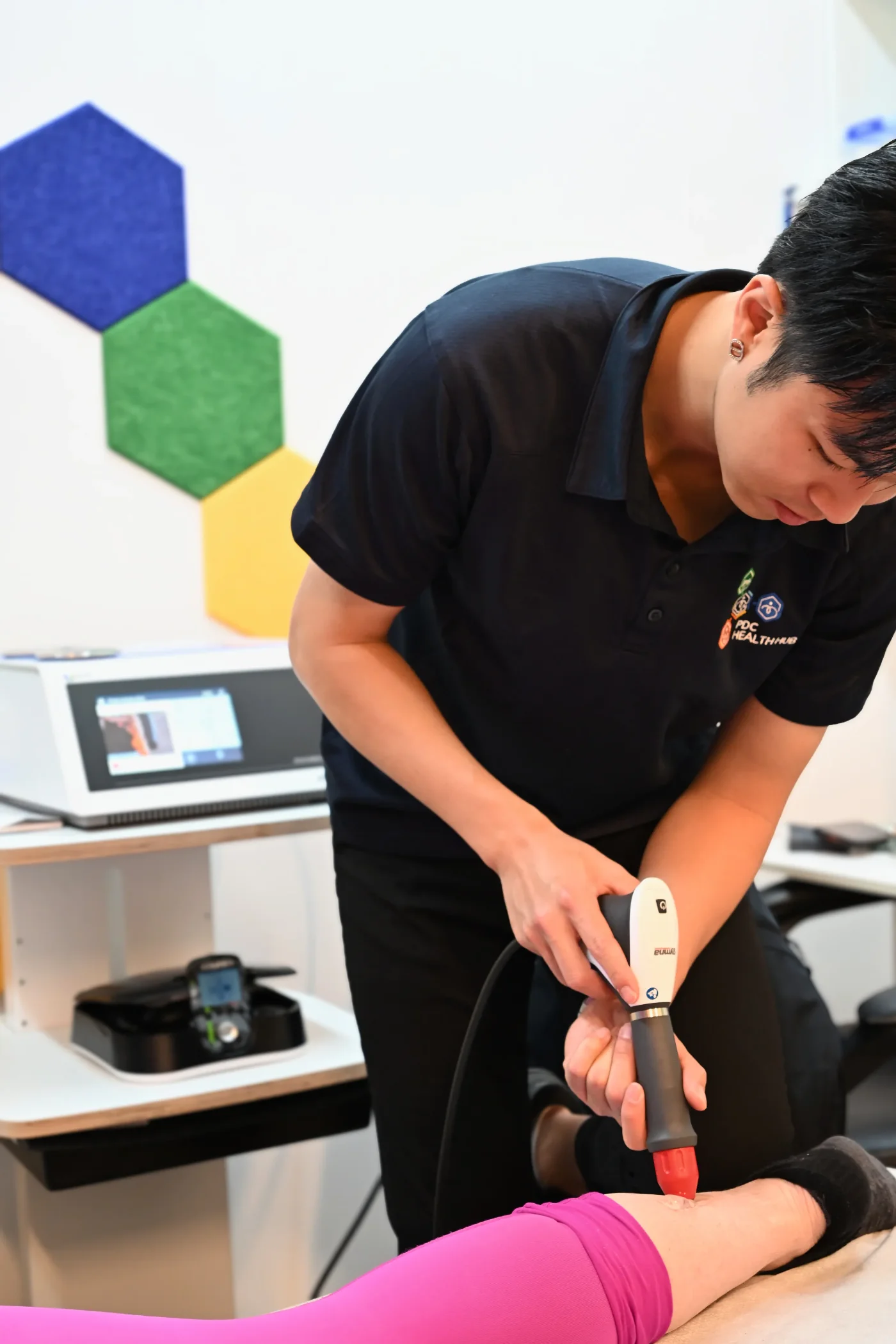
Our tennis elbow care follows the 2022 JOSPT lateral elbow pain clinical practice guideline and current Australian physiotherapy guidance.
Recovery is typically slow, taking anywhere from 6 to 12 months.<sup>1</sup> Most people improve, but some still have symptoms at 6 to 12 months and it can come back.<sup>2</sup> Early assessment and a progressive exercise program help guide you through it.
Keep active but try to avoid activities that make your arm hurt.<sup>1</sup> Complete rest is not the aim. We help you adjust how much and how you load the arm, then build it up with exercise, so you can keep working or playing where possible.
Injections can ease pain for a short time but do not prevent recurrence.<sup>1</sup> In a randomised trial of 165 people, those given a corticosteroid injection had worse recovery and recurrence at 52 weeks than those given a placebo injection.<sup>4</sup> Talk to your GP about the options.
They may help in the short term. The 2022 JOSPT guideline notes that rigid taping gave immediate or short-term pain relief and that orthoses can give immediate relief during aggravating activities.<sup>2</sup> They work best alongside an exercise program, not instead of one.
No referral is needed for private appointments. With a GP Chronic Condition Management Plan, Medicare rebates apply to up to five eligible allied health services a calendar year. Work-related tennis elbow is commonly covered by workers compensation, and private health extras or DVA may also apply.
Tell us what is going on and we will point you to the right discipline, or to more than one. Most people start with a single appointment and leave with a plan the rest of the team can see.
Or go straight to a service
Phone (08) 6110 0570 · Medicare, NDIS, DVA and private options across our services
For GPs and health professionals
Send an online referral in under two minutes. One referral reaches every discipline at PDC Health Hub.
