Follow us

Search
For health professionalsContact usPress Enter to search. For products, try the shop filter.
 (08) 6110 0570
 admin@pdchealthhub.com.au
Press Enter to search. For products, try the shop filter.
(08) 6110 0570admin@pdchealthhub.com.auPolycystic ovary syndrome is a hormonal and metabolic condition, renamed polyendocrine metabolic ovarian syndrome, or PMOS, in May 2026, with diagnosis and treatment unchanged. Insulin resistance sits at the centre.
Polycystic ovary syndrome is a common hormonal and metabolic condition affecting people of reproductive age. In May 2026 it was renamed polyendocrine metabolic ovarian syndrome, or PMOS, to reflect that it affects the whole body and not only the ovaries. Diagnosis and treatment are unchanged, and both names are in use while guidelines and resources catch up.1,2 You do not need cysts to have it: the word polycystic refers to multiple small immature follicles that may show on ultrasound, and not everyone has them.2,3
Insulin resistance sits at the centre of the condition. When cells respond less well to insulin the body makes more of it, and that extra insulin pushes the ovaries to produce more male type hormones, which is how irregular or absent periods, excess hair, acne, scalp hair loss and ovulation problems arise.3 The international guideline, led from Australia and approved by the NHMRC, notes that metabolic features exist independently of body weight even though extra weight makes them worse, and that the risk of early impaired glucose tolerance and type 2 diabetes is high.4
Care is shared. Diagnosis, hormonal medicines, ovulation induction and fertility treatment sit with your GP, gynaecologist or endocrinologist.1,2 PDC clinicians do not diagnose and do not prescribe. The guideline recommends lifestyle management for everyone, with no single diet or exercise approach shown to be better than another, goals set realistically, weight stigma recognised, and weight neutral care considered where that is appropriate.4 It also recommends routine screening for depression and anxiety, and attention to body image.4 That is the spirit we work in.
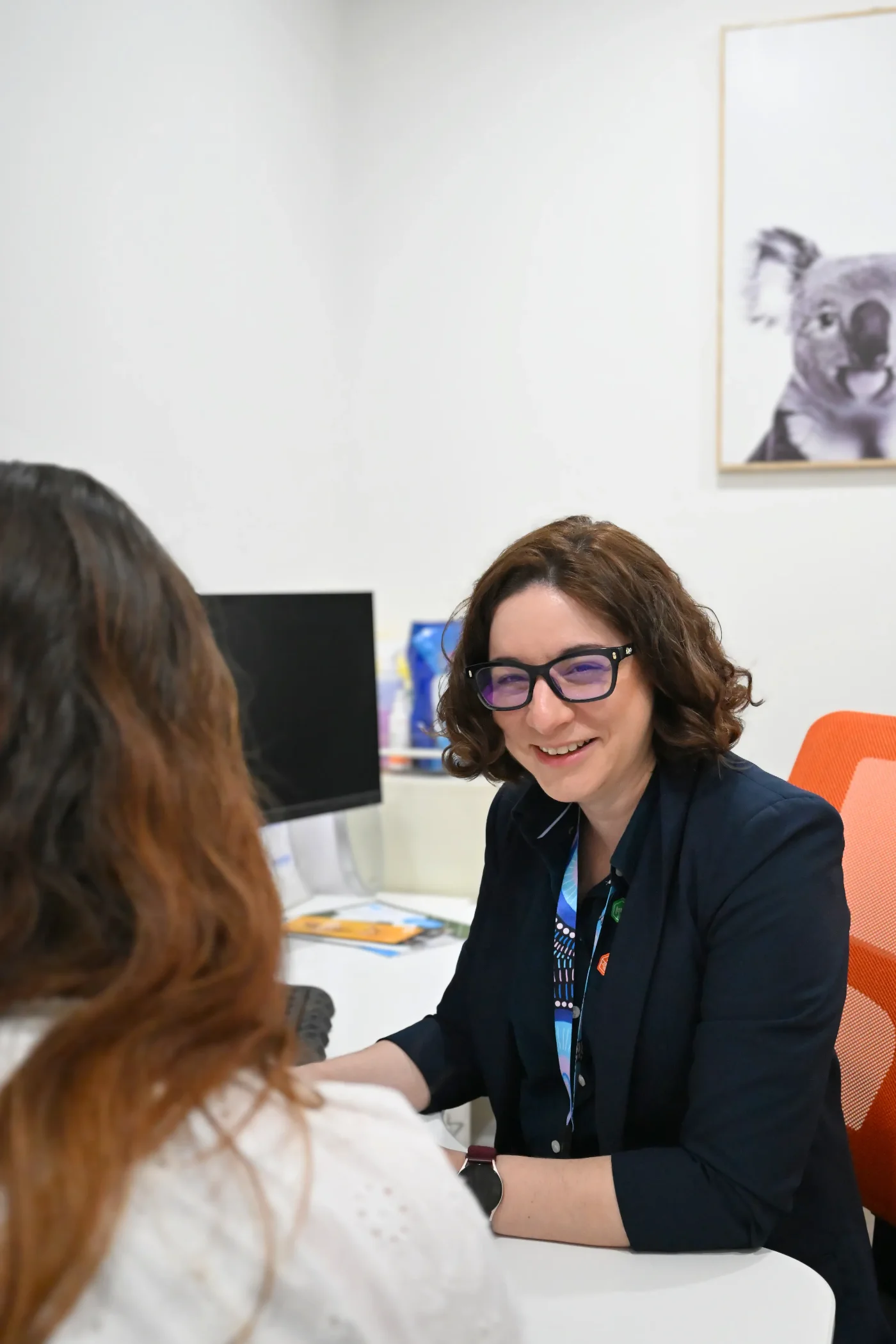
PHOTO NEEDED · Add a Hero Image to this condition in the CMS: a PDC clinician with a client, natural light, no identifiable health information on screen
Symptoms are a guide, not a diagnosis. Your GP confirms the diagnosis; our team helps you manage it day to day.
The teams and services that most often support people with this condition. They work from one shared plan, and one GP referral reaches all of them.

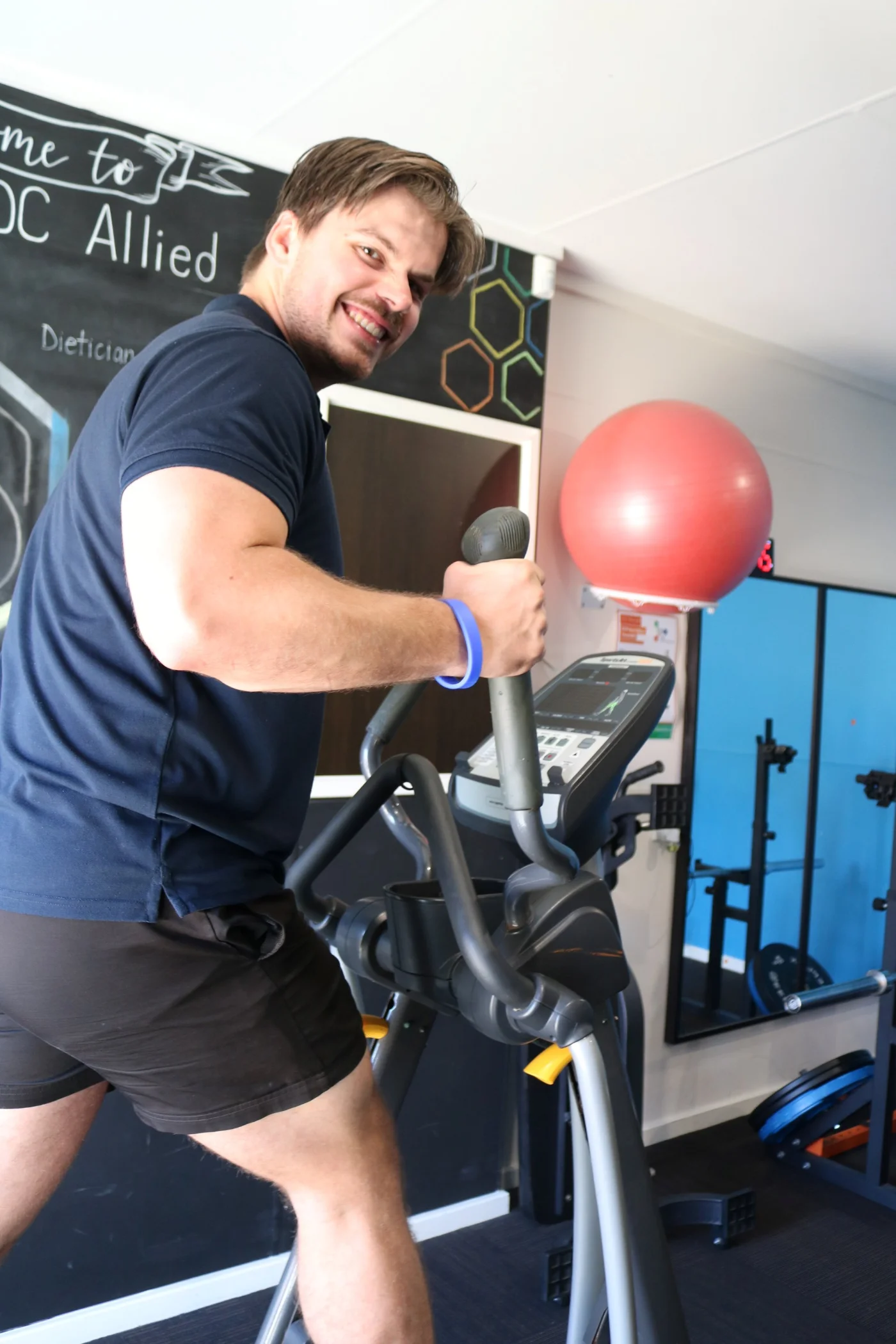
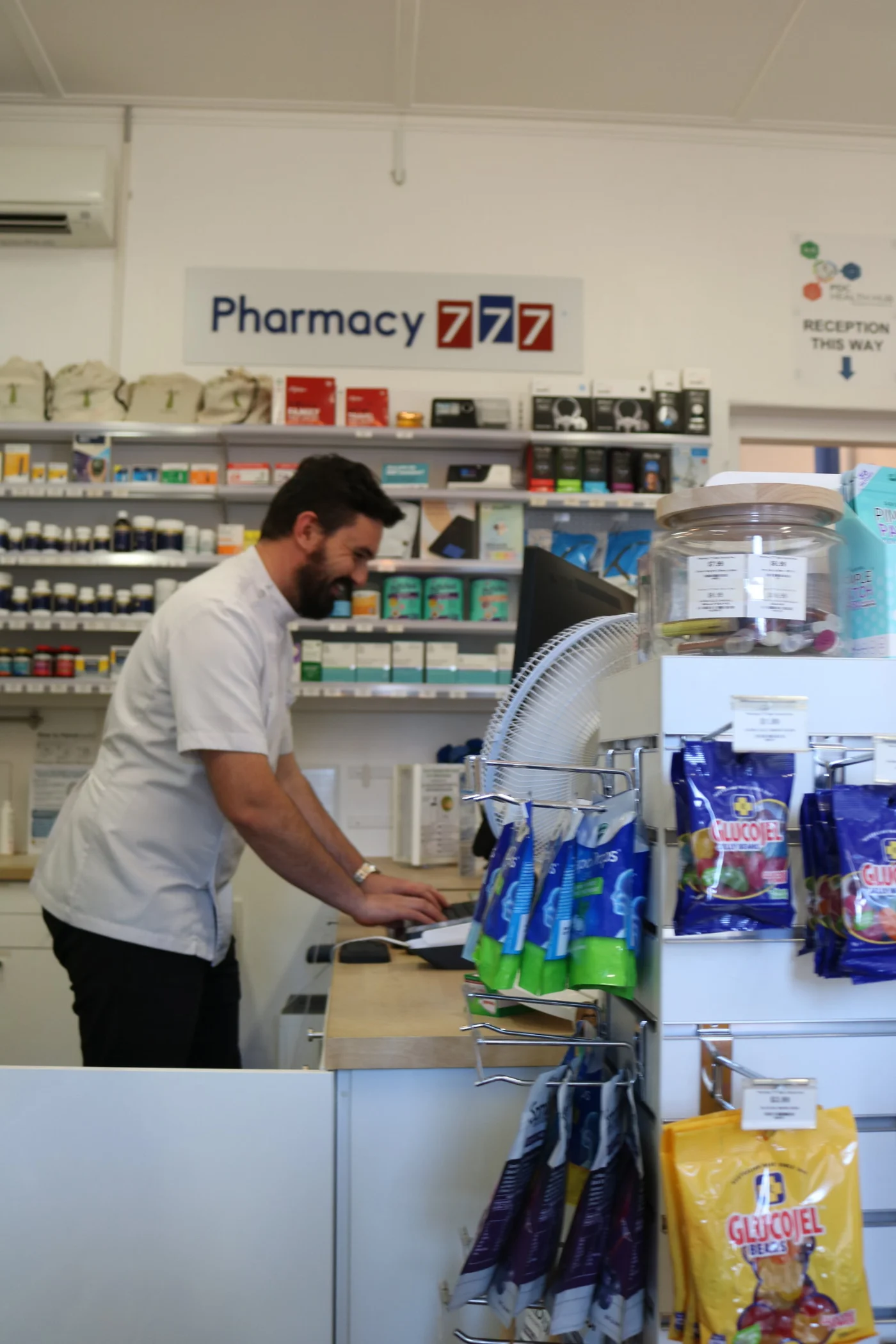
This page follows the 2023 International Evidence-based Guideline for the Assessment and Management of Polycystic Ovary Syndrome, which was led from Australia and approved by the NHMRC, together with Jean Hailes and Dietitians Australia consumer guidance.
In May 2026 the condition was renamed polyendocrine metabolic ovarian syndrome, to reflect that it affects the whole body rather than just the ovaries. Diagnosis and treatment are unchanged. Both names are in use while guidelines and resources are updated, so you may see either from your GP.
No. The international guideline is explicit that metabolic features exist independently of body weight, that goals should be realistic and individual, that weight stigma should be recognised, and that weight neutral care may be considered. A healthy eating and activity pattern benefits insulin resistance whether or not your weight changes.
It does not. Many people with the condition conceive naturally or with ovulation induction, and difficulty conceiving is a symptom rather than a verdict. Fertility assessment and treatment sit with your GP, gynaecologist or fertility specialist. We support the nutrition side before and during pregnancy.
Insulin resistance drives the condition, and the risk of prediabetes and type 2 diabetes is higher, often earlier than people expect. Your GP arranges glucose or HbA1c testing. PDC is built around diabetes care, so our dietitians and Credentialled Diabetes Educators work on this together.
No, and anyone who tells you there is one is overselling it. The guideline found no single diet or exercise approach better than another, and Mediterranean and DASH style patterns are among those recommended. We build something you can keep doing, with lower glycaemic index and higher fibre choices spread across the day.
Tell us what is going on and we will point you to the right discipline, or to more than one. Most people start with a single appointment and leave with a plan the rest of the team can see.
Or go straight to a service
Phone (08) 6110 0570 · Medicare, NDIS, DVA and private options across our services
For GPs and health professionals
Send an online referral in under two minutes. One referral reaches every discipline at PDC Health Hub.
