Follow us

Search
For health professionalsContact usPress Enter to search. For products, try the shop filter.
 (08) 6110 0570
 admin@pdchealthhub.com.au
Press Enter to search. For products, try the shop filter.
(08) 6110 0570admin@pdchealthhub.com.auKnee pain has many causes, and exercise and education come before surgery for knee arthritis. We assess what is driving your pain and build a plan around your goals.
Knee pain has many causes. In older adults a common one is arthritis of the knee (osteoarthritis), which can be diagnosed from your history and examination without a scan.1 Knee pain can also follow a twist or fall, or come from irritated tendons, ligaments or cartilage.2 In younger and active people, pain around or behind the kneecap (patellofemoral pain) is very common, affecting about 23% of adults in the general population.3 Scan findings do not always match how much pain you have, so we assess how your knee works, not just how it looks.
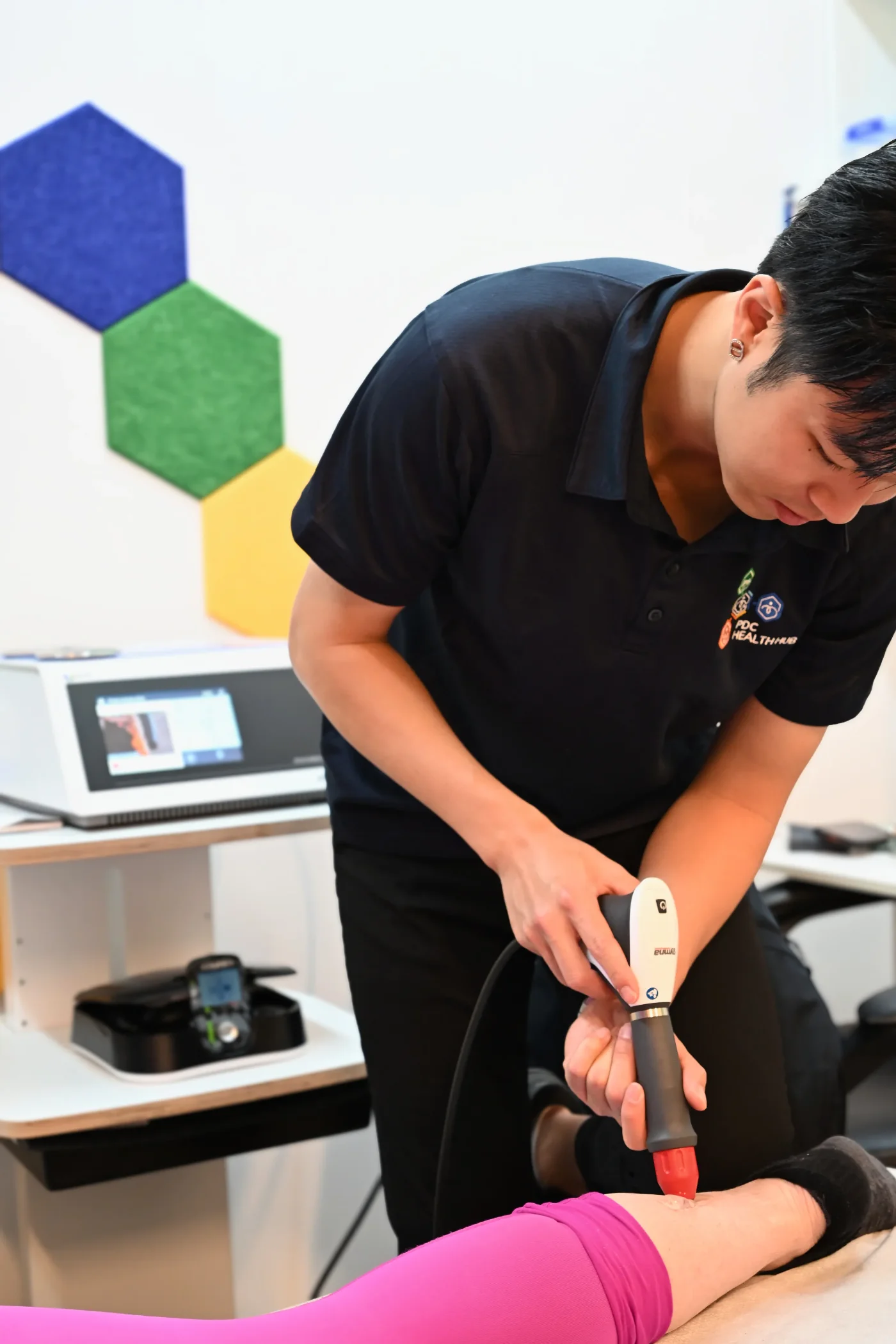
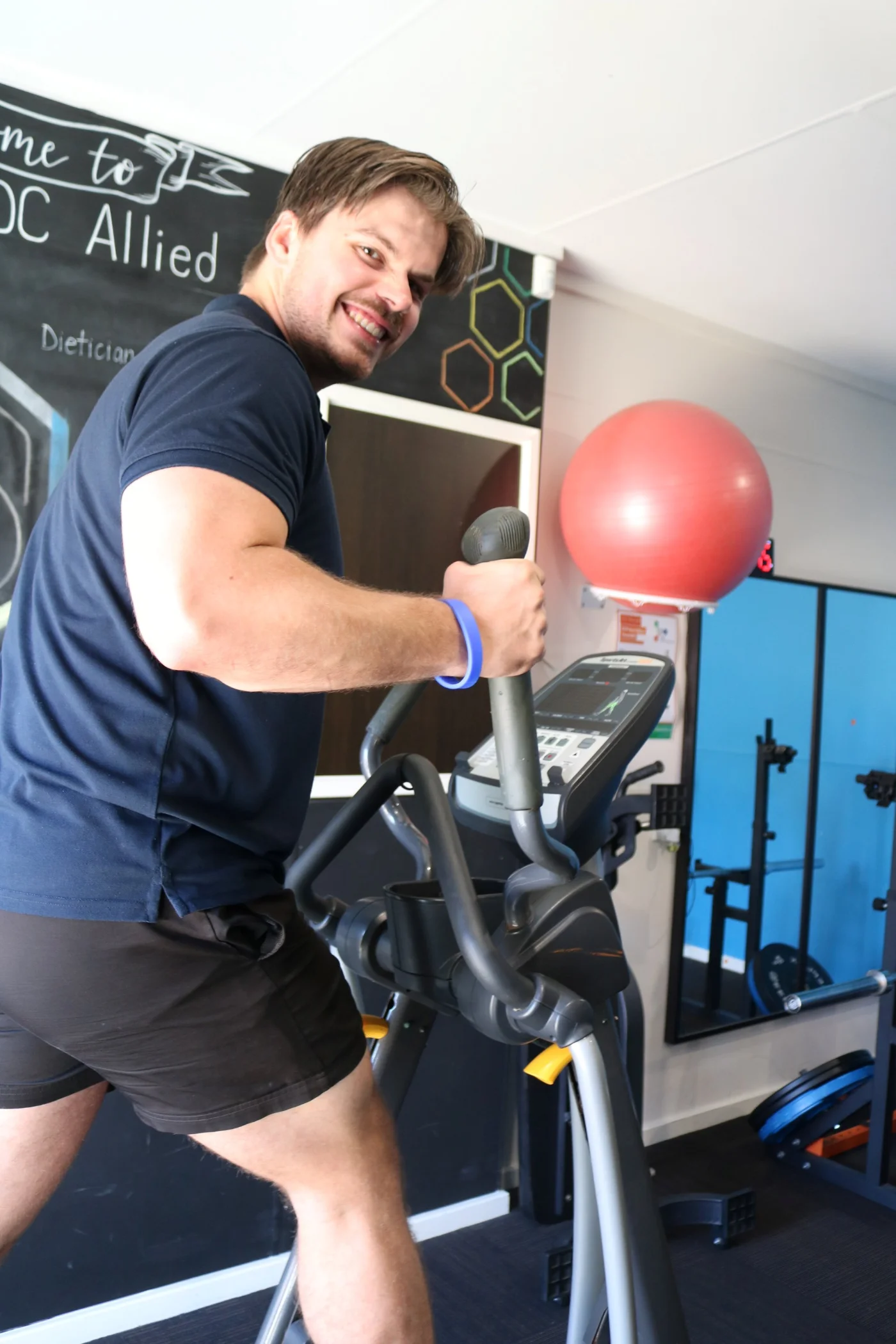
Physiotherapy is a first-line treatment. For knee osteoarthritis, Australian guidance puts education, tailored exercise and weight management first, and joint replacement is considered only after optimal non-surgical care.1 Keyhole surgery (arthroscopy) is not offered for uncomplicated osteoarthritis.1 For kneecap pain, exercise therapy, especially combining hip-focused and knee-focused exercises, is the recommended treatment, with tape, foot orthoses or hands-on therapy as short-term add-ons.3 Electrotherapy on its own is not recommended.3 UK NICE guidance also names exercise and weight management as the core treatments for osteoarthritis.4 Australian physiotherapists are encouraged to explain that exercise is safe and helpful.5
PHOTO NEEDED · Add a Hero Image to this condition in the CMS: a PDC clinician with a client, natural light, no identifiable health information on screen
Symptoms are a guide, not a diagnosis. Your GP confirms the diagnosis; our team helps you manage it day to day.
The teams and services that most often support people with this condition. They work from one shared plan, and one GP referral reaches all of them.
Our knee pain care follows the ACSQHC Osteoarthritis of the Knee Clinical Care Standard and current Australian physiotherapy guidance.
Often not. Knee osteoarthritis can usually be diagnosed from your history and examination. If imaging is needed, X-ray is the first choice, and MRI is not appropriate for uncomplicated osteoarthritis.<sup>1</sup> We will refer you if a scan would change your care.
Staying active is recommended for most knee pain, including osteoarthritis.<sup>1</sup> We tailor the type and amount of exercise to your knee and your goals, and review it regularly. A new injury needs assessment first, so book in if you are unsure.
Most people start with exercise, education and weight management. Australian guidance says joint replacement is considered only after optimal non-surgical care, and arthroscopy is not offered for uncomplicated osteoarthritis.<sup>1</sup> If surgery is appropriate, we will liaise with your GP.
It depends on the cause, how long you have had it and what you do each day. Osteoarthritis is a long-term condition managed with ongoing activity, while kneecap pain often responds to a structured exercise program. We set goals with you and review progress.
No referral is needed for private appointments. With a GP Chronic Condition Management Plan, Medicare rebates apply to up to five eligible allied health services a calendar year. Private health extras, DVA and workers compensation may also cover knee physiotherapy, depending on your situation.
Tell us what is going on and we will point you to the right discipline, or to more than one. Most people start with a single appointment and leave with a plan the rest of the team can see.
Or go straight to a service
Phone (08) 6110 0570 · Medicare, NDIS, DVA and private options across our services
For GPs and health professionals
Send an online referral in under two minutes. One referral reaches every discipline at PDC Health Hub.
