Follow us

Search
For health professionalsContact usPress Enter to search. For products, try the shop filter.
 (08) 6110 0570
 admin@pdchealthhub.com.au
Press Enter to search. For products, try the shop filter.
(08) 6110 0570admin@pdchealthhub.com.auFibromyalgia is a real condition of widespread pain, tiredness and poor sleep. Gentle, graded exercise guided by a physio is the first-line treatment, and you set the pace.
Fibromyalgia is a long-term condition that causes widespread pain, deep tiredness, unrefreshing sleep and trouble concentrating, often called fibro fog.1 It is a real illness, not something people imagine or cause themselves, and it affects about 2 in every 100 people, most often women aged 20 to 60.1 Researchers think the nervous system becomes more sensitive to pain signals (central sensitisation). Symptoms often rise and fall, with good days and flare-ups.
Physiotherapy centres on exercise. A European guideline gave exercise its only strong recommendation among therapies, citing its effect on pain, function and well-being, low cost and safety.2 Australian guidance says to start gently, build slowly and treat extra or unusual pain lasting over two hours after exercise as a sign to ease back.3 The same European guideline recommends against strong opioids, and notes most treatments have modest effects.2 Australia's national pain plan backs self-management within a whole-of-care approach.4
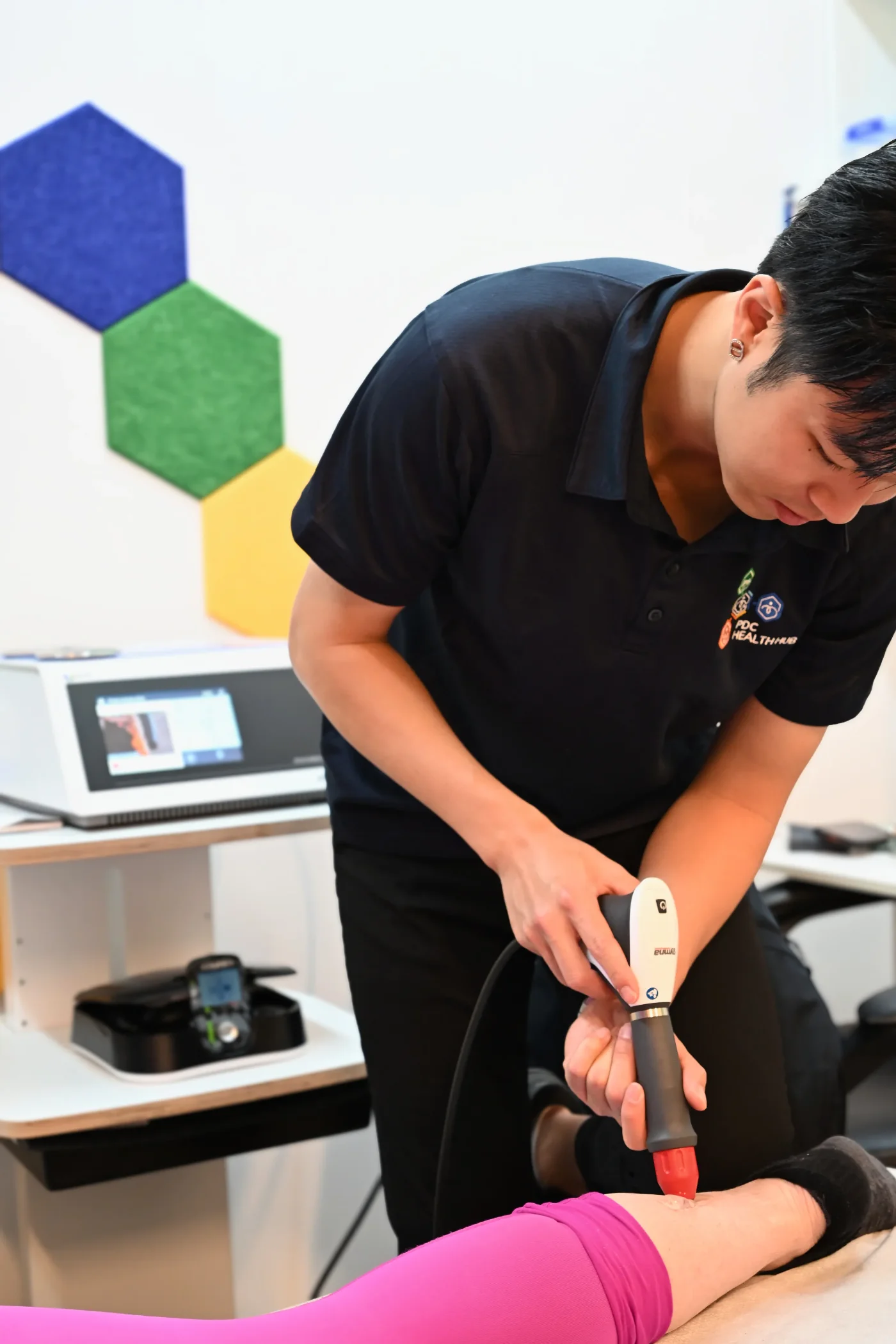
PHOTO NEEDED · Add a Hero Image to this condition in the CMS: a PDC clinician with a client, natural light, no identifiable health information on screen
Symptoms are a guide, not a diagnosis. Your GP confirms the diagnosis; our team helps you manage it day to day.
The teams and services that most often support people with this condition. They work from one shared plan, and one GP referral reaches all of them.
Our care follows the EULAR revised recommendations for fibromyalgia (2017) and Arthritis Australia exercise guidance (2024), within the National Strategic Action Plan for Pain Management.
Yes. Fibromyalgia is a real, recognised illness, and treatments are available. The pain, tiredness and poor sleep are genuine, not something you are imagining. Physiotherapy helps you build a plan you can manage on both good days and flare-up days.
There is no single best exercise. Walking, water-based exercise, tai chi, yoga and gentle strength work are commonly used. Start with much less than you think you can manage and build slowly. Your physio tailors the plan and helps you pace.
European guidelines recommend against strong opioids for fibromyalgia because evidence of benefit is lacking and the risk of side effects and dependence is high. Talk with your GP or pharmacist before changing any medicine. Exercise is the first-line approach.
Fibromyalgia is long term, so the aim is less pain, better sleep and more of the activity you value, rather than a cure. Gains are usually gradual and flare-ups can still happen. We plan how to pace through them and keep you moving.
No referral is needed for private appointments. With a GP Chronic Condition Management Plan, Medicare rebates apply to up to five eligible allied health services a calendar year. Private health extras may also contribute, and NDIS participants can use funding where physiotherapy is part of their plan.
Tell us what is going on and we will point you to the right discipline, or to more than one. Most people start with a single appointment and leave with a plan the rest of the team can see.
Or go straight to a service
Phone (08) 6110 0570 · Medicare, NDIS, DVA and private options across our services
For GPs and health professionals
Send an online referral in under two minutes. One referral reaches every discipline at PDC Health Hub.
