Follow us

Search
For health professionalsContact usPress Enter to search. For products, try the shop filter.
 (08) 6110 0570
 admin@pdchealthhub.com.au
Press Enter to search. For products, try the shop filter.
(08) 6110 0570admin@pdchealthhub.com.auPhysiotherapy for CRPS focuses on early, gentle movement and graded rehabilitation within a team, to ease pain and help you use the affected limb again.
Complex regional pain syndrome (CRPS) is a rare condition that causes severe pain out of proportion to the original injury, often with skin sensitivity, swelling and changes in sweating or skin dryness.1 It tends to affect one limb, can follow an injury or surgery, and is hard to diagnose early, so a doctor needs to assess you.1 It is a recognised, multifactorial condition, and research quality is low to medium because trials are small.2
Physiotherapy aims to keep the limb moving and in use. UK guidelines say early CRPS is generally treated by gentle mobilisation, and that immobilising a joint risks long-term stiffness.3 Graded motor imagery and mirror therapy may help pain and function, but a Cochrane review rated the evidence as low to very low certainty, so they are not guaranteed.4 Guidelines recommend an integrated, interdisciplinary approach tailored to you.3
PHOTO NEEDED · Add a Hero Image to this condition in the CMS: a PDC clinician with a client, natural light, no identifiable health information on screen
Symptoms are a guide, not a diagnosis. Your GP confirms the diagnosis; our team helps you manage it day to day.
The teams and services that most often support people with this condition. They work from one shared plan, and one GP referral reaches all of them.
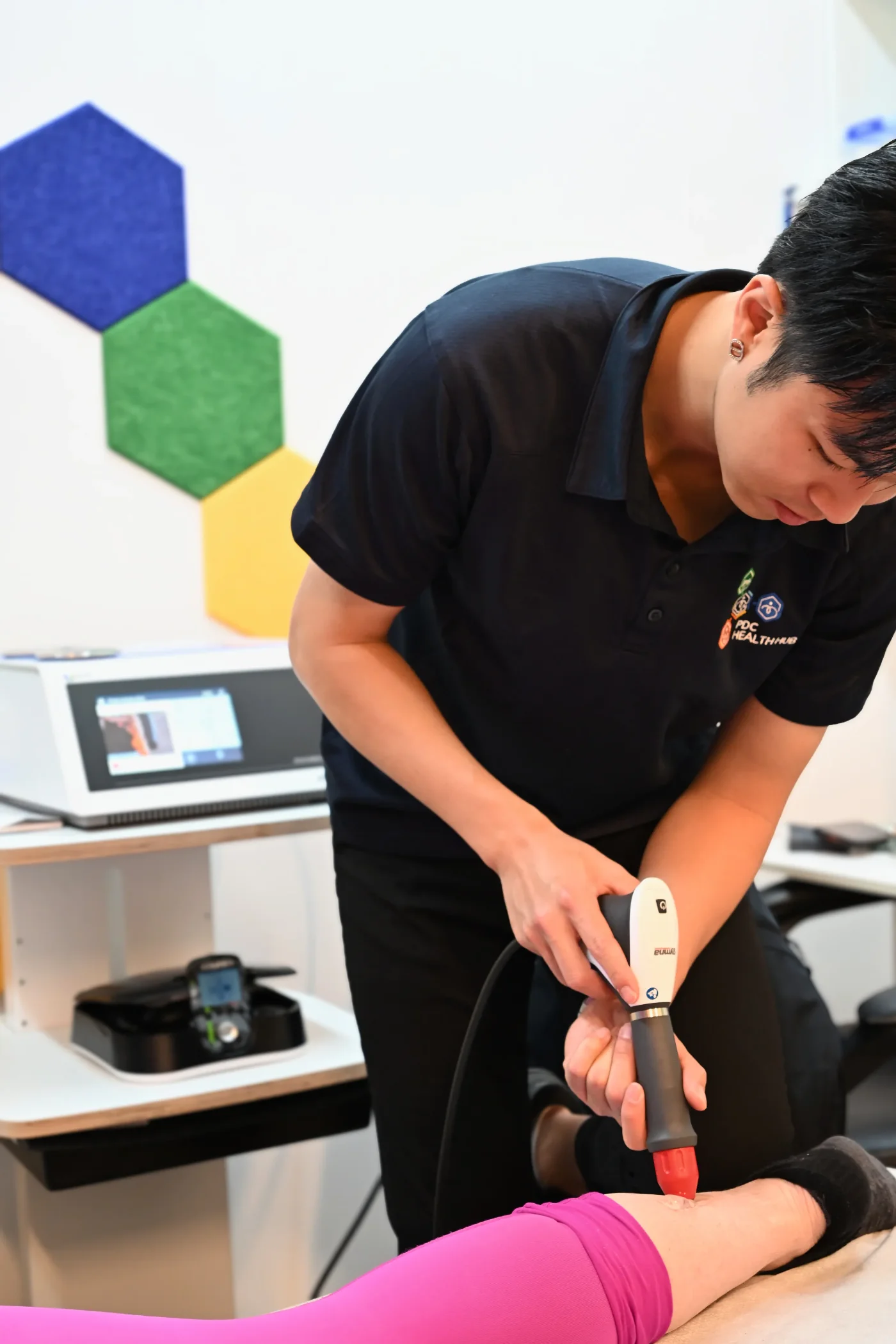
Australian CRPS-specific guidance is limited, so our care follows the UK Royal College of Physicians CRPS guidelines (2018), the international practical guidelines (2022) and the Cochrane physiotherapy review.
After an injury, pain usually eases as tissues heal. CRPS involves severe pain out of proportion to the original injury, with swelling, skin sensitivity and changes in sweating. If pain keeps building weeks after an injury or surgery, see your GP promptly, as early diagnosis can be hard.
Avoid keeping it still. UK guidelines warn that immobilising a joint risks long-term stiffness and say early CRPS is generally treated with gentle mobilisation. Your physio sets a graded pace so movement is not forced. Use a splint or cast only on medical advice.
Mirror therapy and graded motor imagery may help pain and function, but a Cochrane review rated the evidence as low to very low certainty. They are not a cure. We use them alongside graded movement and team care when they suit you.
Guidelines recommend an integrated, interdisciplinary approach tailored to the individual. That can include your GP, a pain specialist, physiotherapist, occupational therapist, psychologist and pharmacist. We coordinate with your team and provide reports.
No referral is needed for private appointments. With a GP Chronic Condition Management Plan, Medicare rebates apply to up to five eligible allied health services a calendar year. CRPS often follows an injury, so workers compensation (WorkCover WA), NDIS, DVA or private health extras may help fund care.
Tell us what is going on and we will point you to the right discipline, or to more than one. Most people start with a single appointment and leave with a plan the rest of the team can see.
Or go straight to a service
Phone (08) 6110 0570 · Medicare, NDIS, DVA and private options across our services
For GPs and health professionals
Send an online referral in under two minutes. One referral reaches every discipline at PDC Health Hub.
