Follow us

Search
For health professionalsContact usPress Enter to search. For products, try the shop filter.
 (08) 6110 0570
 admin@pdchealthhub.com.au
Press Enter to search. For products, try the shop filter.
(08) 6110 0570admin@pdchealthhub.com.auYes, physiotherapy can help with COPD. Pulmonary rehabilitation, a supervised exercise and education program, is strongly recommended and improves exercise capacity and quality of life.
COPD (chronic obstructive pulmonary disease) is a long-term lung condition that includes emphysema and chronic bronchitis. The airways narrow and air can become trapped, which makes breathing harder.1 In 2022, about 2.5 per cent of Australians, or 638,100 people, were living with COPD.2 Breathlessness often leads people to avoid activity, which can create a cycle of inactivity and more breathlessness.4 A flare-up needs prompt treatment, because waiting more than 24 hours doubles the chance of needing hospital care.6
Pulmonary rehabilitation (an exercise and education program delivered by a team that includes physiotherapists) is a strong recommendation in the Australian COPD-X guidelines, to improve quality of life and exercise capacity and to reduce flare-ups.3 Programs typically run for six to eight weeks, with two exercise sessions a week plus education on medicines and managing breathlessness.4 Physiotherapy builds on this with an individual exercise plan. It sits alongside your medicines and lung specialist care, and pulmonary rehabilitation also teaches breathing techniques and correct medicine use.5
PHOTO NEEDED · Add a Hero Image to this condition in the CMS: a PDC clinician with a client, natural light, no identifiable health information on screen

Symptoms are a guide, not a diagnosis. Your GP confirms the diagnosis; our team helps you manage it day to day.
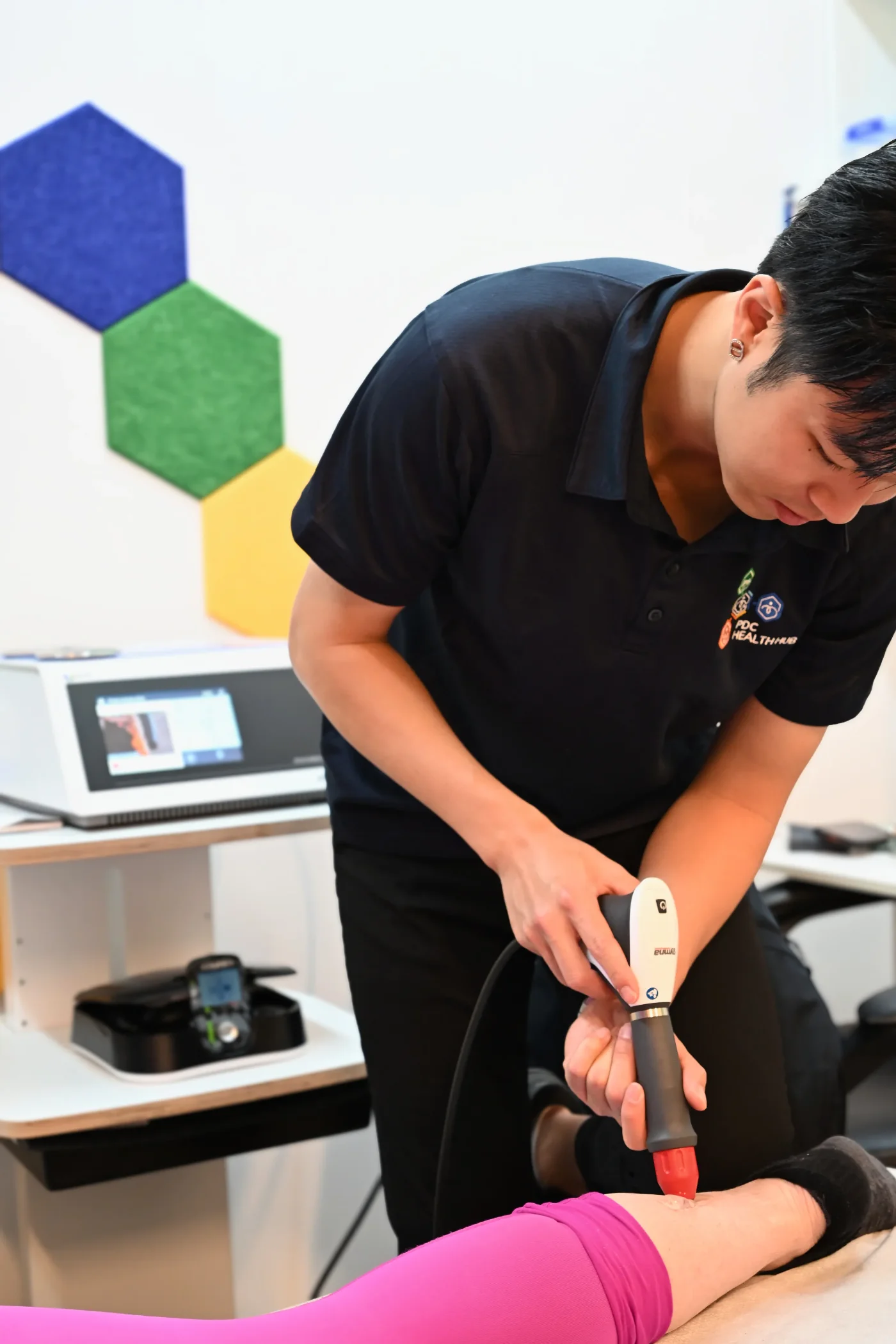
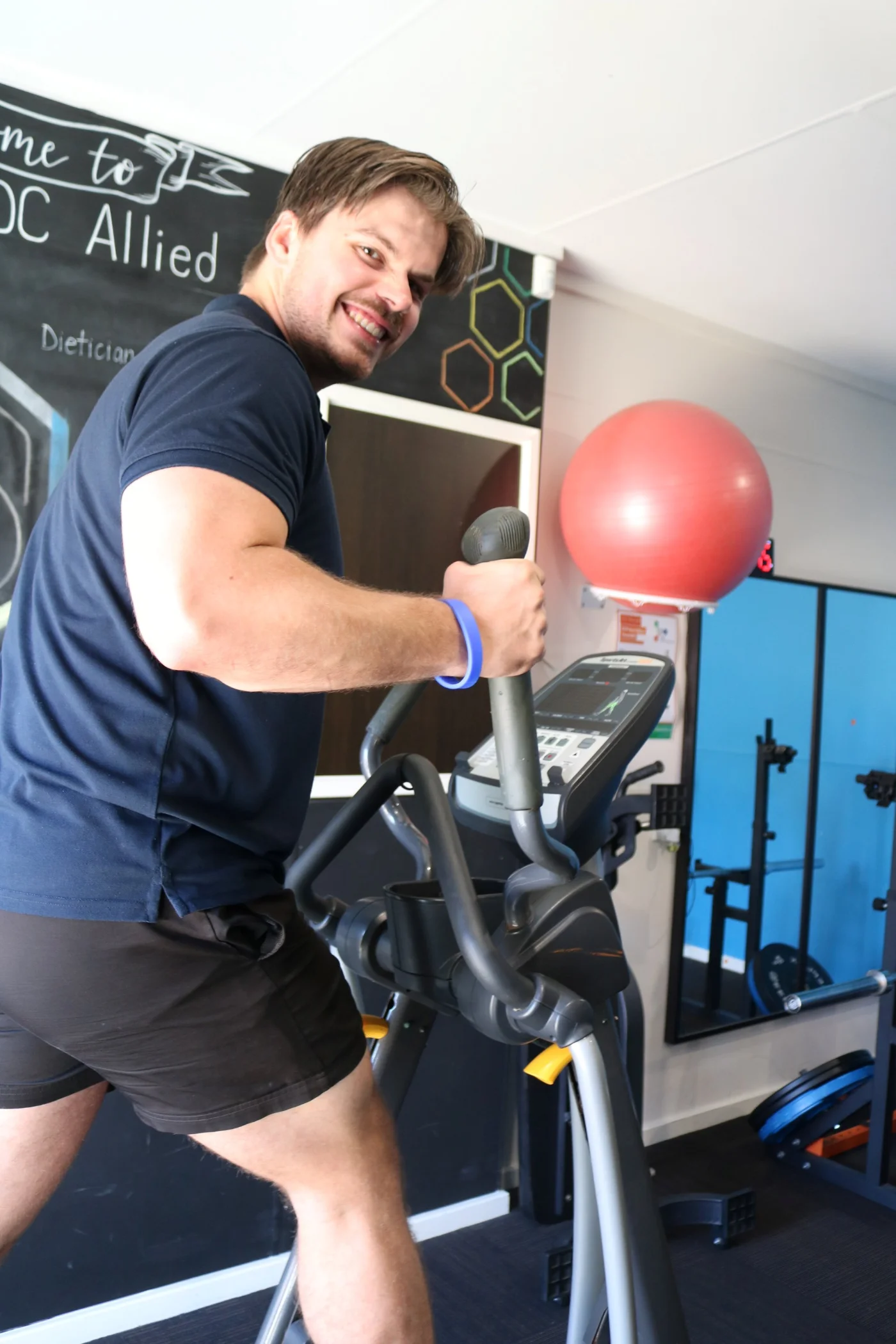
The teams and services that most often support people with this condition. They work from one shared plan, and one GP referral reaches all of them.
Our care follows the COPD-X Plan (Lung Foundation Australia and the Thoracic Society of Australia and New Zealand) and current Australian physiotherapy guidance.
Pulmonary rehabilitation is an exercise and education program run by a team of health professionals, including physiotherapists. It usually runs for six to eight weeks with two exercise sessions a week, plus education on medicines, breathlessness and staying well.
Regular exercise as part of pulmonary rehabilitation is strongly recommended in Australian guidelines. It improves exercise capacity and quality of life, and many people feel less breathless doing daily tasks. Results vary, and your plan is paced to your symptoms.
No referral is needed for private appointments. With a GP Chronic Condition Management Plan, Medicare rebates apply to up to five eligible allied health services a calendar year. Private health extras, DVA and NDIS may also contribute, depending on your cover or eligibility.
For most people, supervised exercise is safe and recommended. We start with an assessment, set a pace you can manage, and build up gradually. If you have a flare-up or feel worse than usual, see your doctor first and pause your program.
No. Exercise and medicines work together. Keep taking your prescribed inhalers and other medicines, and speak with your GP, lung specialist or pharmacist about any changes. We can share your progress with your GP in a written report.
Tell us what is going on and we will point you to the right discipline, or to more than one. Most people start with a single appointment and leave with a plan the rest of the team can see.
Or go straight to a service
Phone (08) 6110 0570 · Medicare, NDIS, DVA and private options across our services
For GPs and health professionals
Send an online referral in under two minutes. One referral reaches every discipline at PDC Health Hub.