Follow us

Search
For health professionalsContact usPress Enter to search. For products, try the shop filter.
 (08) 6110 0570
 admin@pdchealthhub.com.au
Press Enter to search. For products, try the shop filter.
(08) 6110 0570admin@pdchealthhub.com.auYes, exercise can help people living with stable chronic heart failure. Once your doctor has reviewed you, a monitored exercise program can improve exercise capacity and quality of life.
Heart failure is a condition where the heart is not pumping blood around the body as well as it should.1 It does not mean the heart has stopped. Common symptoms are breathlessness, especially with activity, tiredness, and swollen ankles or legs.1 These need medical assessment, and anyone with severe breathlessness or chest pain should call 000.6 Cardiac rehabilitation, a program of exercise, education and support led by health professionals, is recommended for people living with heart failure.2
A 2019 summary of the 2018 Australian guidelines states that regular exercise, up to moderate intensity, is recommended for people with chronic heart failure to improve quality of life and reduce hospital admissions.3 European guidance also recommends exercise for people able to do it, and says a supervised cardiac rehabilitation program should be considered for those with more severe disease, frailty or other conditions.4 Exercise is prescribed after medical review and monitored. It improves exercise capacity and quality of life, but its effect on survival is less certain.4,5
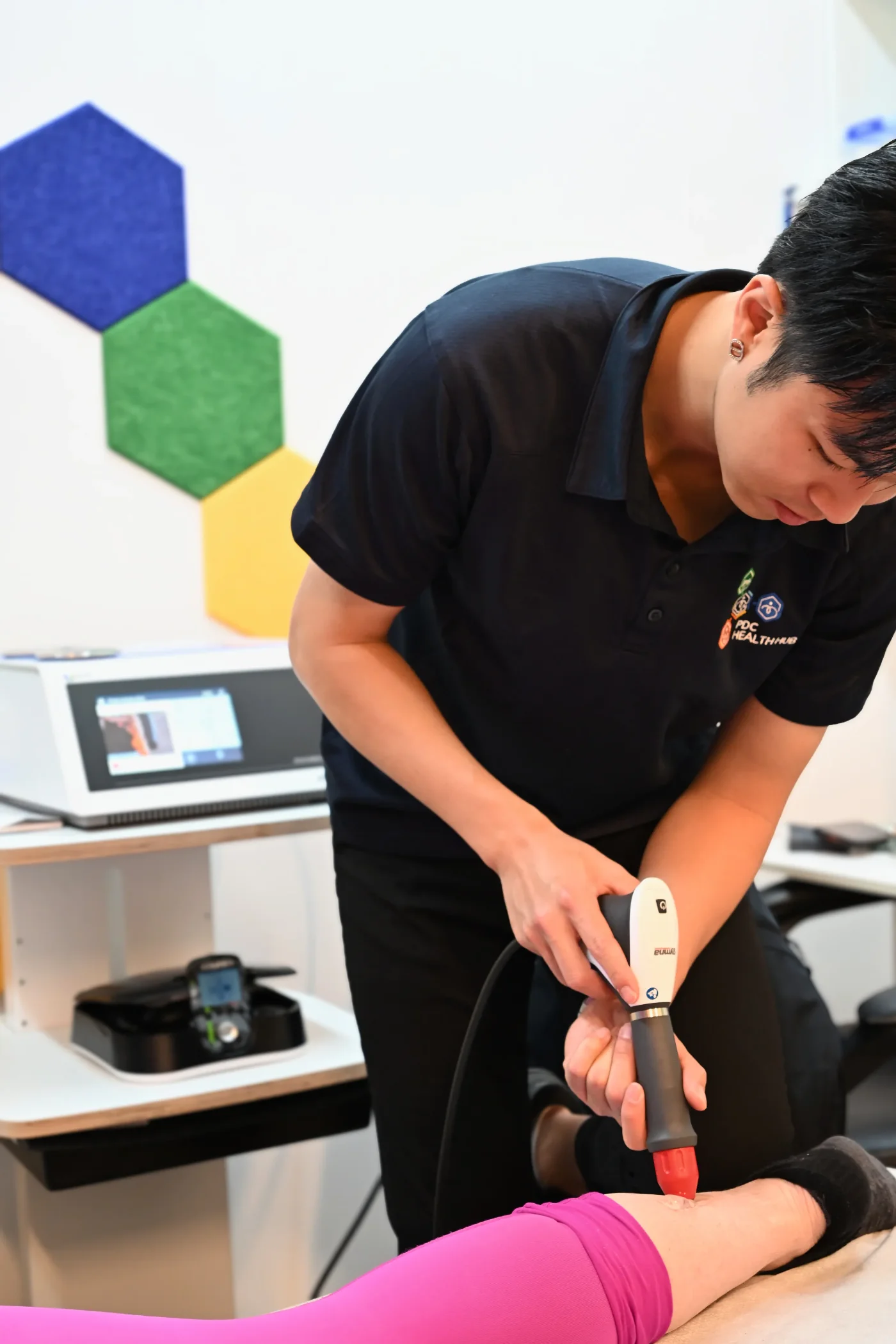
PHOTO NEEDED · Add a Hero Image to this condition in the CMS: a PDC clinician with a client, natural light, no identifiable health information on screen
Symptoms are a guide, not a diagnosis. Your GP confirms the diagnosis; our team helps you manage it day to day.
The teams and services that most often support people with this condition. They work from one shared plan, and one GP referral reaches all of them.
Our care follows the National Heart Foundation of Australia and CSANZ Guidelines for the prevention, detection and management of heart failure in Australia 2018 and current Australian physiotherapy guidance.
For people with stable chronic heart failure, exercise is recommended and is considered safe and effective when prescribed after medical review and monitored. We only start once your doctor is happy for you to exercise, and we stop and refer on if symptoms change.
Yes. At PDC we ask for medical review first, and we recommend you tell your GP or cardiologist you plan to start. Heart failure can change from week to week, so we also check how you feel at each session and adjust or pause the program if needed.
Australian guidelines recommend regular exercise up to moderate intensity. What that means for you depends on your symptoms, medicines and fitness, so we set your effort level individually and build it up gradually rather than using a fixed target.
No referral is needed for private appointments. With a GP Chronic Condition Management Plan, Medicare rebates apply to up to five eligible allied health services a calendar year. Private health extras and DVA may also contribute, depending on your cover or eligibility.
Cardiac rehabilitation is a structured program of exercise, education and support, usually running for 6 to 10 weeks. Physiotherapy gives you an individual assessment and exercise plan, and can continue after a program ends. We can work alongside your cardiac rehabilitation team.
Tell us what is going on and we will point you to the right discipline, or to more than one. Most people start with a single appointment and leave with a plan the rest of the team can see.
Or go straight to a service
Phone (08) 6110 0570 · Medicare, NDIS, DVA and private options across our services
For GPs and health professionals
Send an online referral in under two minutes. One referral reaches every discipline at PDC Health Hub.
