Follow us

Search
For health professionalsContact usPress Enter to search. For products, try the shop filter.
 (08) 6110 0570
 admin@pdchealthhub.com.au
Press Enter to search. For products, try the shop filter.
(08) 6110 0570admin@pdchealthhub.com.auCarpal tunnel syndrome causes tingling, numbness and weakness in the hand, often worse at night. Physio can guide night splinting, activity changes and exercises, and advise if you need a surgical opinion.
Carpal tunnel syndrome is pressure on the median nerve as it passes through the wrist, causing tingling, numbness or pins and needles in the thumb, index and middle fingers, sometimes with pain and a weaker grip.1 Symptoms are often worse at night.1 Repetitive wrist tasks, wrist injury, arthritis, diabetes, an underactive thyroid and extra weight can contribute, and it is common in pregnancy because of fluid retention,1 most often in the third trimester.2
Physiotherapy usually combines a wrist splint, especially at night, with activity changes and exercises. A 2023 Cochrane review found insufficient evidence to say whether splinting helps, though night splinting may give modest benefit and it is low cost with no known long-term harms.3 Evidence for exercise and mobilisation is limited and very low certainty, so choices rest on clinical judgement and your preferences.4 Surgery is considered when symptoms are severe or other treatments have not helped.1 It was more likely than splinting to give overall improvement, though gains were small.5 Pregnancy-related cases typically settle within about four weeks of birth.6
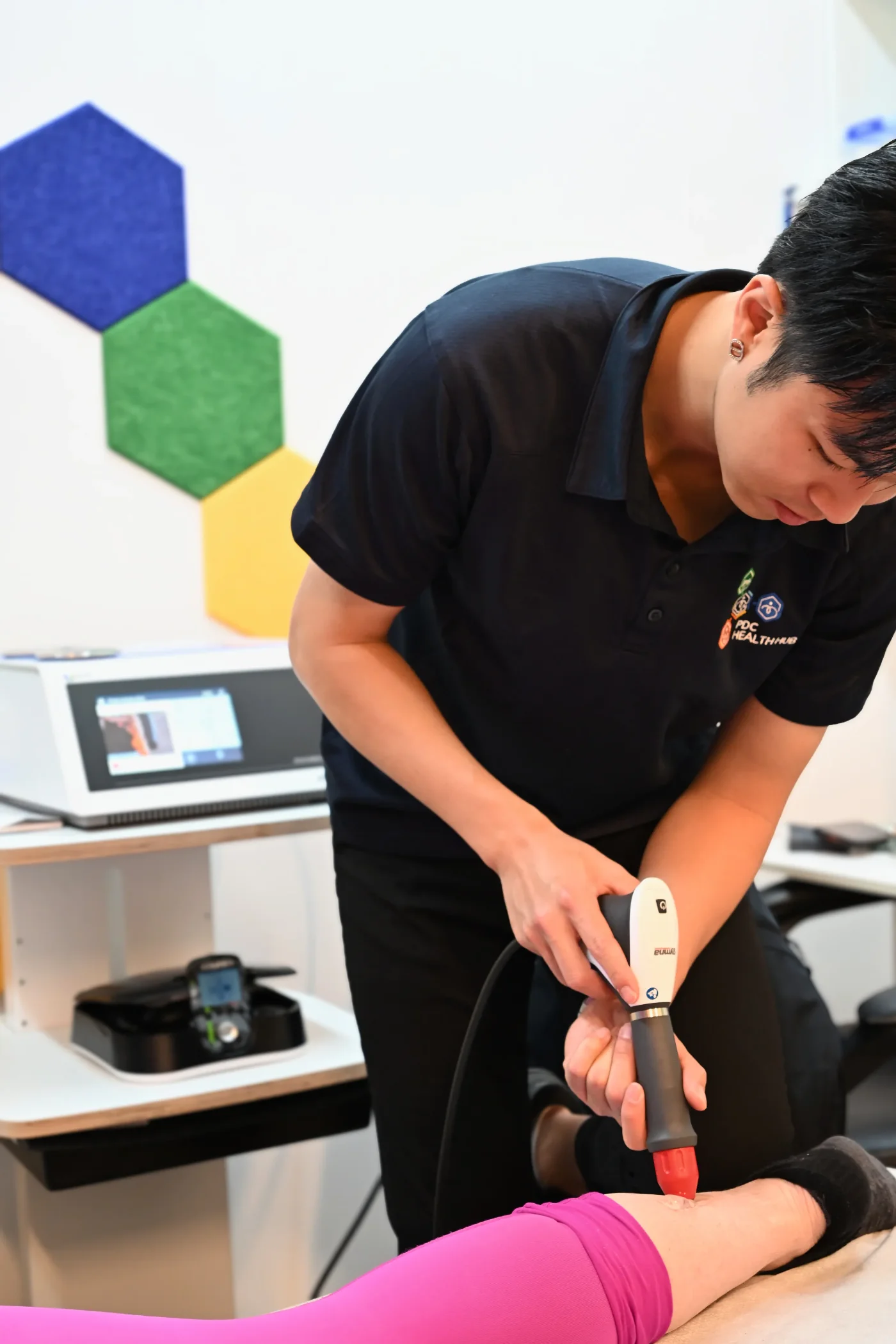
PHOTO NEEDED · Add a Hero Image to this condition in the CMS: a PDC clinician with a client, natural light, no identifiable health information on screen
Symptoms are a guide, not a diagnosis. Your GP confirms the diagnosis; our team helps you manage it day to day.
The teams and services that most often support people with this condition. They work from one shared plan, and one GP referral reaches all of them.
We found no current Australian carpal tunnel clinical guideline, so our care follows Healthdirect and Healthy WA advice and the Cochrane reviews of splinting (2023), exercise (2022) and surgery (2024).
Night symptoms are very common. Healthdirect advises a wrist splint that keeps the wrist straight, especially at night, as a main treatment. The evidence for splinting is limited, but it is low cost and has no known long-term harms. See your GP or physio if night symptoms persist.
Evidence is limited. Cochrane reviews found insufficient evidence for splinting overall, with possible modest benefit from night splinting, and very low certainty evidence for exercise. We use them as reasonable, low-risk first steps and review your progress regularly.
Surgery is considered when symptoms are severe or other treatments have not helped. A 2024 Cochrane review found it improved overall outcomes more often than splinting, though gains were small. See your GP promptly if you develop weakness. Your GP can refer you to a hand surgeon.
Often, yes. It is common in pregnancy because of fluid retention, usually appears in the third trimester, and typically settles after birth. Night splinting can help in the meantime. If symptoms persist about four weeks after delivery, ask your GP or physio about next steps.
No referral is needed for private appointments. With a GP Chronic Condition Management Plan, Medicare rebates apply to up to five eligible allied health services a calendar year. Work-related cases may be covered by workers compensation (WorkCover WA), and private health extras may also contribute.
Tell us what is going on and we will point you to the right discipline, or to more than one. Most people start with a single appointment and leave with a plan the rest of the team can see.
Or go straight to a service
Phone (08) 6110 0570 · Medicare, NDIS, DVA and private options across our services
For GPs and health professionals
Send an online referral in under two minutes. One referral reaches every discipline at PDC Health Hub.
