Follow us

Search
For health professionalsContact usPress Enter to search. For products, try the shop filter.
 (08) 6110 0570
 admin@pdchealthhub.com.au
Press Enter to search. For products, try the shop filter.
(08) 6110 0570admin@pdchealthhub.com.auA 14-day sensor for adults, bought online from the manufacturer. Not NDSS subsidised, and no accuracy study has been published. Ask us before you buy one.
PHOTO NEEDED · Product photo goes in this sensor's CGM Image field in the CMS. Transparent or white background, 1200px wide.
Ottai is a self-funded continuous glucose monitor sold online by its manufacturer rather than through an Australian diabetes distributor. The sensor and the transmitter are a single disposable unit, applied to the back of the upper arm and worn for up to 14 days. It is factory calibrated, warms up in about 30 minutes, and sends a glucose reading every five minutes over Bluetooth to the Ottai app. There is no separate reader, so a compatible phone is needed.
It is labelled for adults aged 18 and over. It has high and low glucose alerts and an alert for a rapid rise or fall, but no urgent low alarm and no predictive low alarm of the kind the NDSS-subsidised sensors offer. It does not work with any insulin pump or automated insulin delivery system approved in Australia.
Two things are worth knowing before you buy one. It is not subsidised through the NDSS, so you pay the full cost yourself. And no accuracy study has been published in a peer-reviewed journal or a public trial registry, so there is no independent performance data to set beside the sensors that are on the NDSS chart. Australian diabetes organisations published minimum performance standards for continuous glucose monitoring in April 2026 and ask manufacturers to publish their results; that has not happened for this sensor.
It is listed here because people ask us about it. If you are eligible for NDSS-subsidised CGM, that is almost always the better place to start. If you are already using an Ottai sensor, bring your phone to your appointment and one of our credentialled diabetes educators will go through your readings with you, including when a reading is worth confirming with a finger prick.
Ottai is not subsidised through the NDSS. It does not appear on the NDSS CGM device summary and compatibility chart (version 21, 1 October 2026) or on the NDSS continuous glucose monitoring products page, so the full cost is paid privately.
If you live with type 1 diabetes, or you are under 21 with a condition very similar to type 1 and you need insulin, you are likely to be eligible for a fully subsidised sensor through the NDSS CGM Access Program. For most people in that group an NDSS sensor costs less and comes with published performance data, so it is worth checking your eligibility before buying any self-funded sensor. Our credentialled diabetes educators can certify NDSS access.
Our credentialled diabetes educators can help you weigh up sensors, check NDSS eligibility and get started with confidence.
Book a CDE consultThrough the NDSS a sensor costs a fraction of the self-funded price, but not everyone is eligible. This is how access works in Australia, checked against the NDSS in September 2026.
Everyone living with type 1 diabetes can apply for subsidised CGM through the NDSS. People under 21 with a rare condition very similar to type 1 diabetes who need insulin may also be eligible. You need to be registered with the NDSS first.
An authorised health professional confirms you are eligible: an endocrinologist, a credentialled diabetes educator, or another health professional who specialises in diabetes, such as a physician, paediatrician or nurse practitioner. Our credentialled diabetes educators can do this at your appointment.
You collect sensors from an NDSS Access Point, usually a community pharmacy, and most people pay a co-payment for each sensor. There is no co-payment for people under 21, for adults with a Commonwealth concession card or a DVA Gold or White Card, or for people with type 1 diabetes who are planning a pregnancy, pregnant or have recently had a baby. The co-payment for this sensor is shown alongside.
Your NDSS access lists the sensor you are approved for. Before you can order a different one, an authorised health professional needs to update your access. If you use your sensor with an insulin pump, check the pump works with the new sensor before you change.
CGM is not currently subsidised through the NDSS for type 2 diabetes, so sensors are self-funded. Some people find a few weeks of CGM useful to see how food, activity and medicines affect their glucose. Ask us whether it is worth the cost for you.
A CGM measures glucose in the fluid under the skin, so it runs a few minutes behind your blood glucose, most of all when levels are changing quickly. If your symptoms do not match the reading, during warm-up, or when your system asks for one, check with a finger-prick test and act on that result. Keep your meter and strips on hand.
Order CGM supplies, overpatches and NDSS products online, with pharmacist support and delivery.
Shop BlueLoopEvery sensor we list, with its NDSS status. Open one to see the full details, or use the finder to narrow them down.
PHOTO NEEDED · Product photo goes in this sensor's CGM Image field in the CMS. Transparent or white background, 1200px wide.
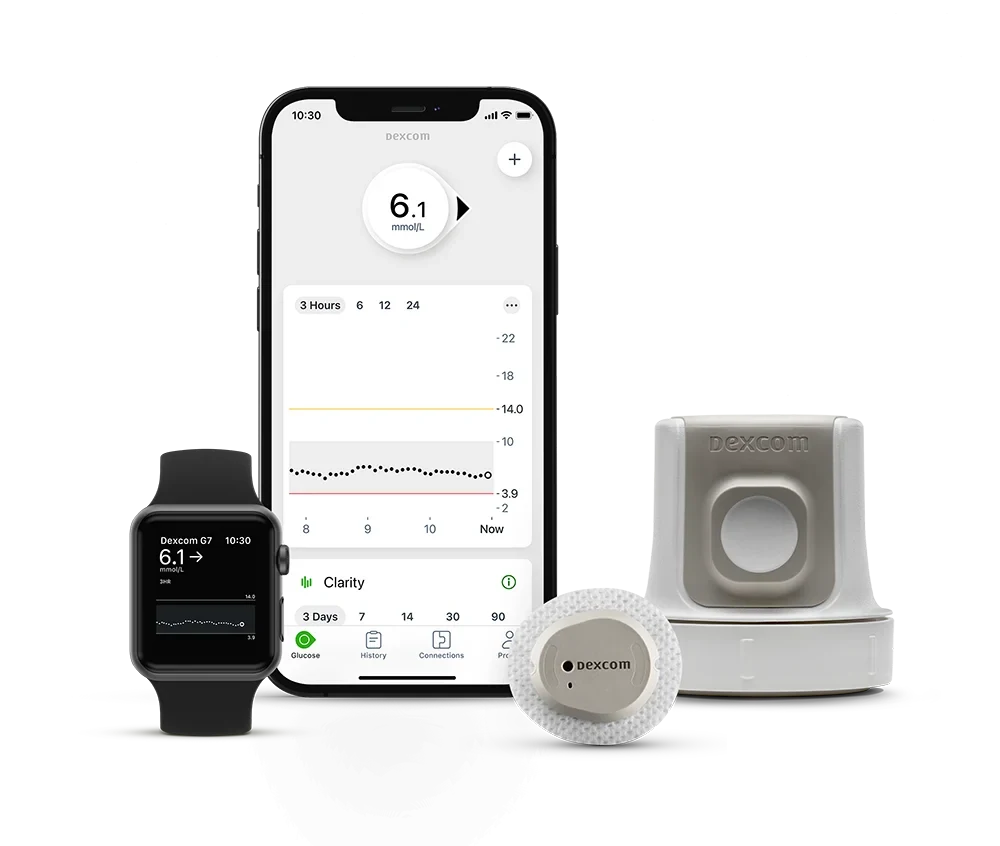
PHOTO NEEDED · Product photo goes in this sensor's CGM Image field in the CMS. Transparent or white background, 1200px wide.
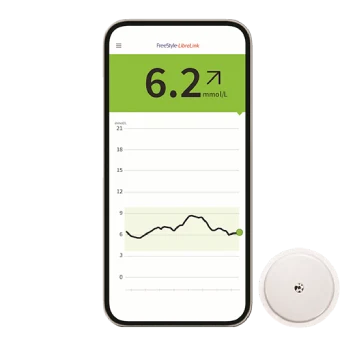
PHOTO NEEDED · Product photo goes in this sensor's CGM Image field in the CMS. Transparent or white background, 1200px wide.

PHOTO NEEDED · Product photo goes in this sensor's CGM Image field in the CMS. Transparent or white background, 1200px wide.

PHOTO NEEDED · Product photo goes in this sensor's CGM Image field in the CMS. Transparent or white background, 1200px wide.

PHOTO NEEDED · Product photo goes in this sensor's CGM Image field in the CMS. Transparent or white background, 1200px wide.
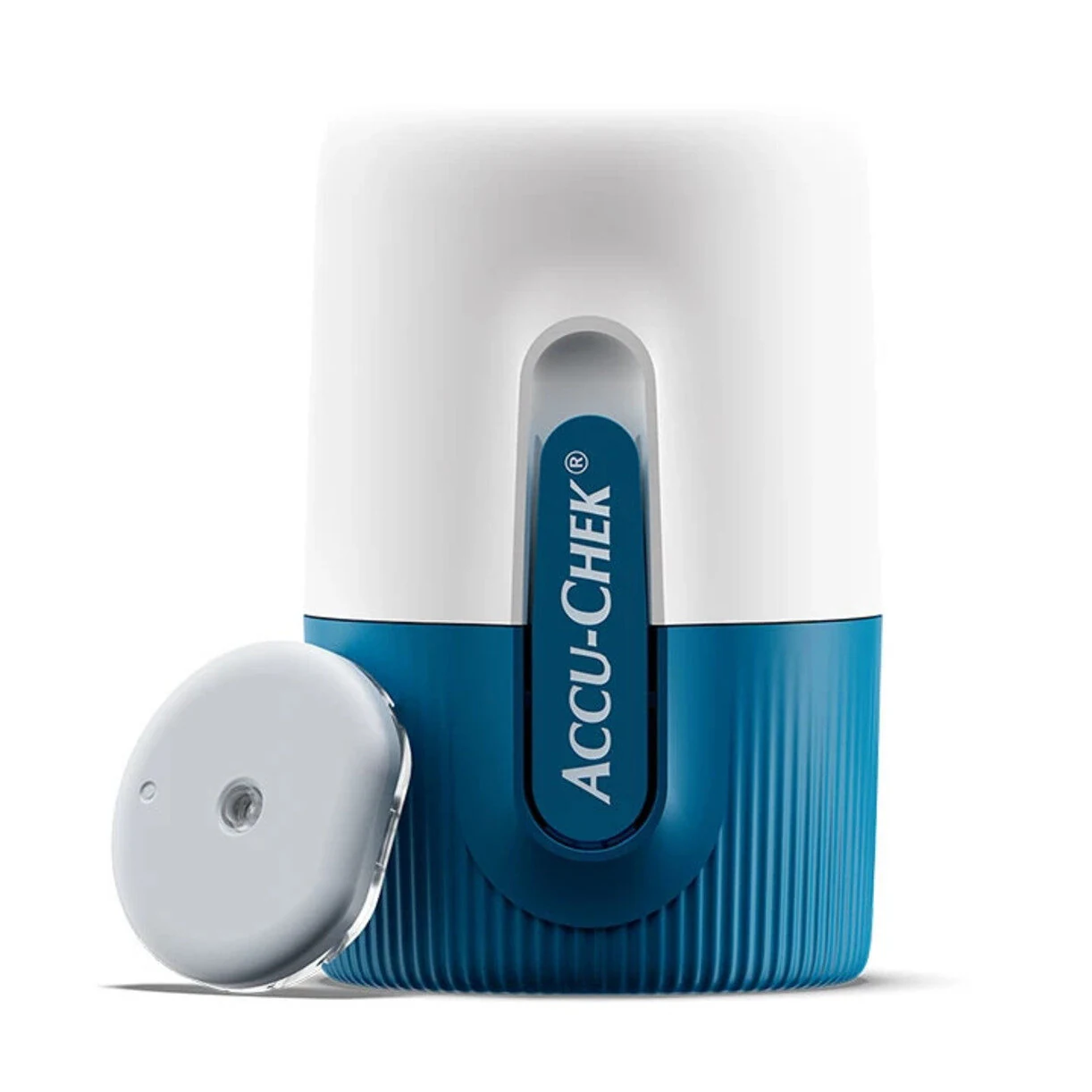
PHOTO NEEDED · Product photo goes in this sensor's CGM Image field in the CMS. Transparent or white background, 1200px wide.
Our credentialled diabetes educators can help you choose a sensor, sign your NDSS access form, fit your first one and set up your alerts and data sharing.
Or go straight to a service
Call (08) 6110 0570. Medicare rebates may apply for diabetes education with a GP chronic condition management plan. General information only; talk to your diabetes team before changing devices.