Follow us

Search
For health professionalsContact usPress Enter to search. For products, try the shop filter.
 (08) 6110 0570
 admin@pdchealthhub.com.au
Press Enter to search. For products, try the shop filter.
(08) 6110 0570admin@pdchealthhub.com.auType 3c diabetes is caused by damage to the pancreas rather than by insulin resistance. The same damage usually affects digestive enzymes too, so glucose and nutrition have to be managed together.
Type 3c diabetes happens when the pancreas is damaged and cannot make enough insulin. Doctors also call it diabetes of the exocrine pancreas or pancreatogenic diabetes.1 The common causes are chronic pancreatitis, surgery that removes part or all of the pancreas, pancreatic cancer, cystic fibrosis and haemochromatosis.12 Because the pancreas does two jobs, the same damage often reduces the digestive enzymes it releases, a problem called pancreatic exocrine insufficiency.1
Type 3c is frequently recorded as type 2 diabetes, because the label is less well known and is not always used.2 If you have had a pancreatic problem, it is worth asking your doctor to check for type 3c.2 The clues are digestive symptoms such as oily stools, weight loss and tummy pain, and insulin that is needed earlier than you would expect in type 2.2 Getting the label right matters, because the pancreas also makes glucagon, the hormone that helps stop glucose falling too low. For that reason, hypoglycaemia in type 3c needs a plan built with a team that has seen it before.1
Insulin is needed by many people with type 3c, and tablets are enough for some, but that decision belongs to your GP or specialist.1 Enzyme replacement capsules, taken with meals and snacks, are prescribed when digestion is affected, and doses are set with a dietitian.34 Fat soluble vitamins A, D, E and K are checked and replaced when they are low.4 At PDC Health Hub a Credentialled Diabetes Educator and an Accredited Practising Dietitian usually work on the same case, because food, enzymes and insulin all move together.
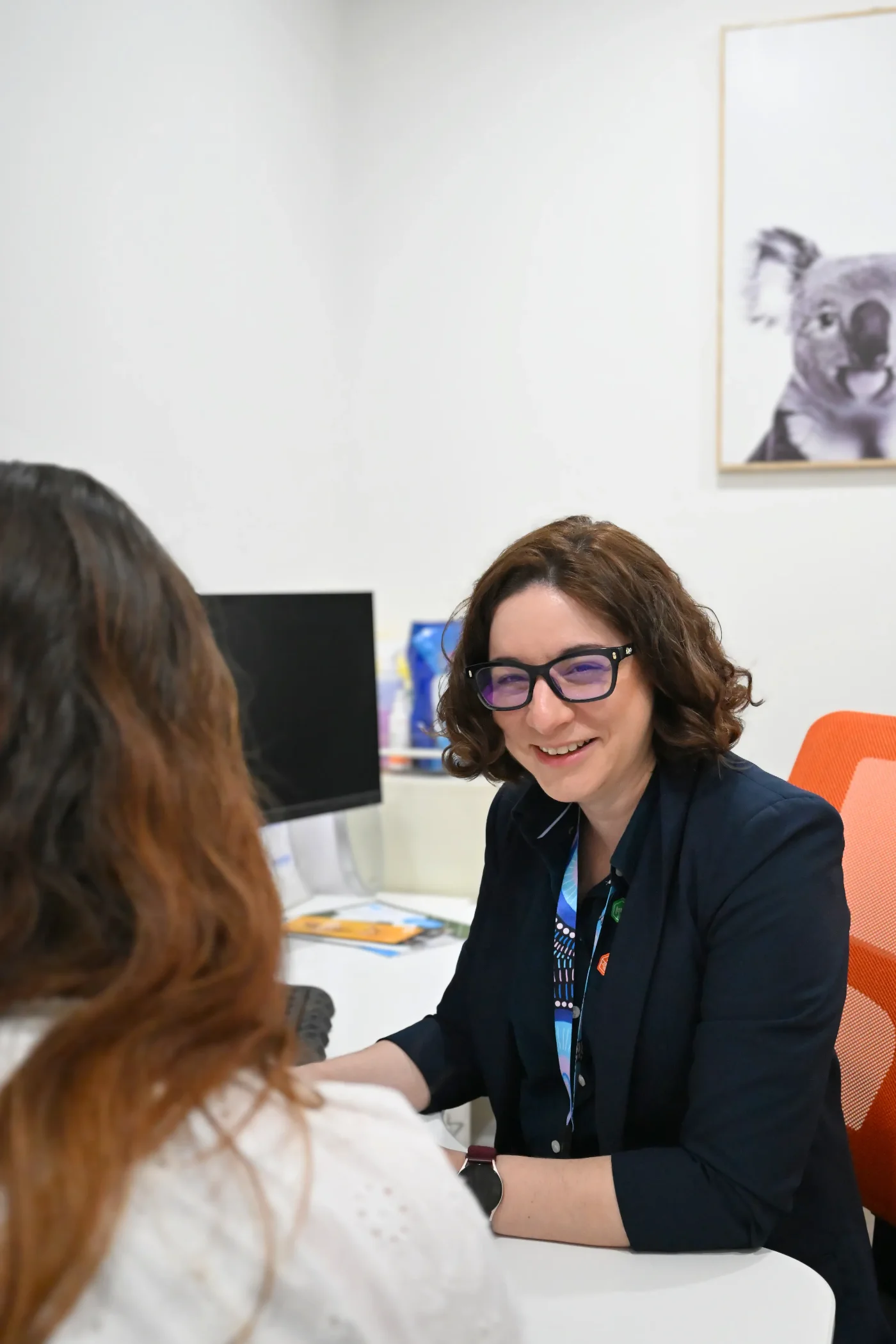
PHOTO NEEDED · Add a Hero Image to this condition in the CMS: a PDC clinician with a client, natural light, no identifiable health information on screen
Symptoms are a guide, not a diagnosis. Your GP confirms the diagnosis; our team helps you manage it day to day.
The teams and services that most often support people with this condition. They work from one shared plan, and one GP referral reaches all of them.


This page follows Australian information on type 3c diabetes from Diabetes Victoria, the Australasian Pancreatic Club guidelines on pancreatic enzyme replacement therapy and the Pancare Foundation enzyme dosing guide, and uses Diabetes UK guidance on misclassification and treatment order where Australian consumer material is silent. Emergency advice for low glucose, for diabetic ketoacidosis and for sudden severe pancreatic pain follows the NDSS and Healthdirect.
No. Type 2 diabetes is mainly about insulin resistance. Type 3c starts with damage to the pancreas itself, so less insulin is made, and the digestive side of the pancreas is often affected as well. The treatment order is different as a result.
Type 3c is less well recognised and the label is not always used, so adults who develop diabetes are often recorded as type 2 by default. If you have had pancreatitis, pancreatic surgery, pancreatic cancer, cystic fibrosis or haemochromatosis, it is worth asking your doctor to look at this specifically.
The pancreas makes digestive enzymes as well as insulin, and the same damage can reduce both. Without enough enzymes, fat is not digested properly, which causes oily stools, weight loss and low levels of vitamins A, D, E and K. Enzyme capsules are taken with meals and snacks, and a dietitian helps match the dose to what you eat.
The pancreas also makes glucagon, which normally helps stop glucose falling too low. When that is affected, lows can be harder to correct. This is one reason type 3c is managed with an individual plan rather than standard settings, and why continuous glucose monitoring is often useful.
Your GP, and often a gastroenterologist, endocrinologist or surgeon, make the diagnosis and prescribe. PDC Health Hub provides the diabetes education, dietetics, pump and CGM work and pharmacist support that sit underneath that plan. We see people in clinic across Western Australia and by telehealth.
Tell us what is going on and we will point you to the right discipline, or to more than one. Most people start with a single appointment and leave with a plan the rest of the team can see.
Or go straight to a service
Phone (08) 6110 0570 · Medicare, NDIS, DVA and private options across our services
For GPs and health professionals
Send an online referral in under two minutes. One referral reaches every discipline at PDC Health Hub.
