Follow us

Search
For health professionalsContact usPress Enter to search. For products, try the shop filter.
 (08) 6110 0570
 admin@pdchealthhub.com.au
Press Enter to search. For products, try the shop filter.
(08) 6110 0570admin@pdchealthhub.com.auImmune checkpoint inhibitors used to treat cancer can trigger permanent, insulin dependent diabetes. It can start within weeks, and between about 1 in 3 and 2 in 3 people are first diagnosed when they are already unwell with ketoacidosis (DKA).
Immune checkpoint inhibitors are cancer treatments that release the brakes on the immune system. In a small number of people the immune system then attacks the insulin making cells in the pancreas, causing checkpoint inhibitor associated autoimmune diabetes.1 It affects about 4 to 19 of every 1,000 people treated, and a 2026 analysis of nearly 66,000 people put it at about 6 in 1,000.18 It is an immune related adverse event, the same category as the thyroid and pituitary problems these drugs can cause.23 It is almost always linked to the anti PD-1 and anti PD-L1 drugs, and the risk is higher when an anti CTLA-4 drug is added.189
On paper it looks like type 1 diabetes, but it behaves differently. It usually appears about 12 weeks after treatment starts, although it has been reported much later, and insulin production can fail quickly rather than over years.1 The type 1 antibodies are found in only about half of people, so diagnosis rests on new high glucose together with a low C-peptide level.19 It does not settle when immunotherapy stops, and high dose steroids do not help.26 Insulin is needed from diagnosis and is expected to be lifelong.12
Care is led by your oncology team together with an endocrinologist. Blood glucose is checked before each treatment cycle and for months after treatment ends, so that it is picked up early.17 Australian cancer guidance recommends referral to an endocrinologist and long term endocrinology care, and the 2025 Australian consensus, endorsed by the Australian Diabetes Society, recommends that everyone with this diagnosis is seen by an endocrinology service for initial education and stabilisation, with sick day education covering ketone testing, hypoglycaemia and ketoacidosis.16 That education is the part PDC Health Hub does. A Credentialled Diabetes Educator can set up your insulin routine, glucose monitoring and ketone testing, and your GP shares the ongoing glucose care.1
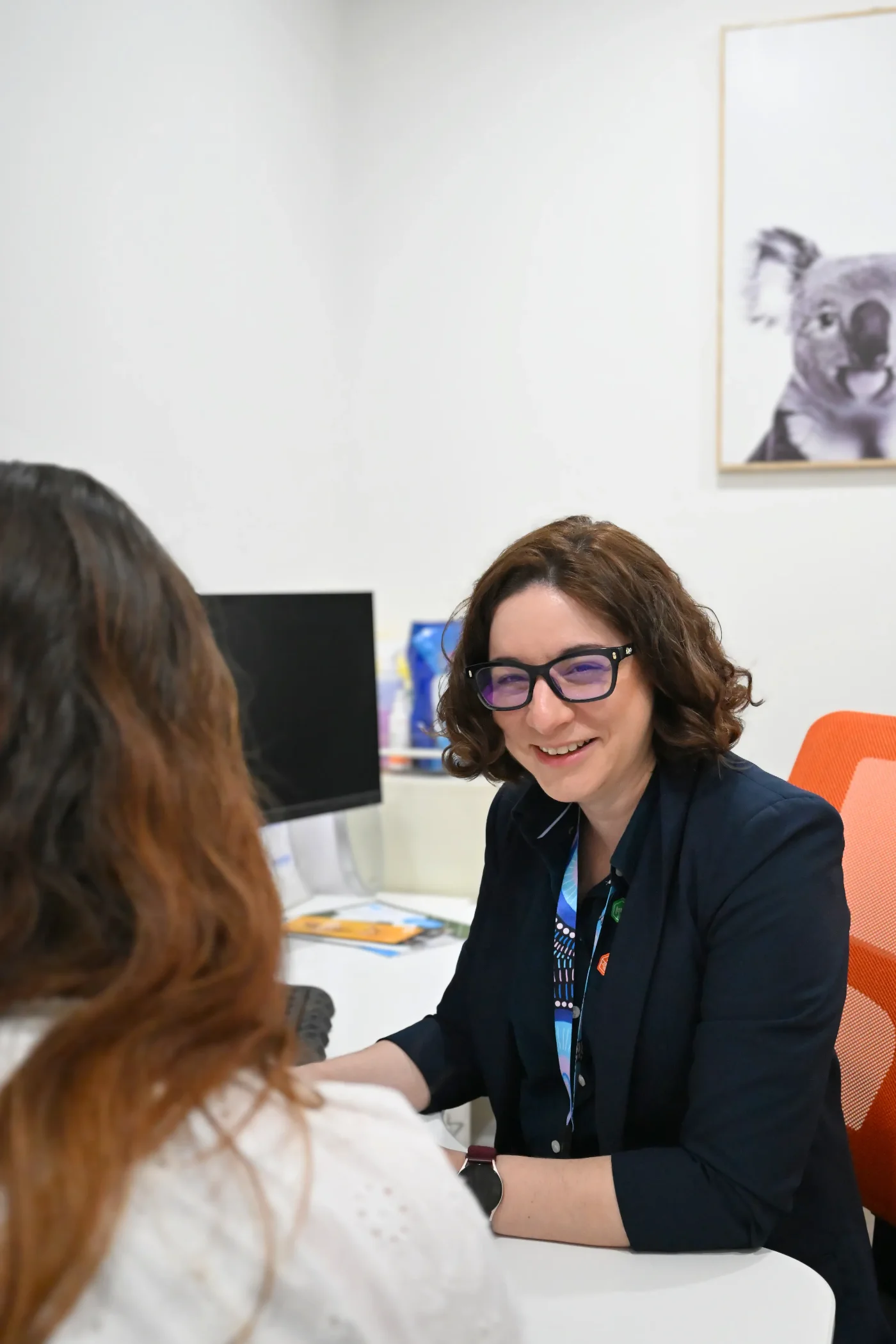
PHOTO NEEDED · Add a Hero Image to this condition in the CMS: a PDC clinician with a client, natural light, no identifiable health information on screen

Symptoms are a guide, not a diagnosis. Your GP confirms the diagnosis; our team helps you manage it day to day.
The teams and services that most often support people with this condition. They work from one shared plan, and one GP referral reaches all of them.


This page follows Australian cancer guidance from the Cancer Institute NSW (eviQ) and the 2025 Australian multidisciplinary consensus recommendations on hyperglycaemia with immune checkpoint inhibitors, endorsed by the Australian Diabetes Society and the Endocrine Society of Australia. The European Society of Endocrinology guideline, RACGP general practice guidance and a 2026 meta-analysis of nearly 66,000 people support the figures. Emergency advice for ketoacidosis follows Healthdirect.
Yes, although it is uncommon, affecting about 4 to 19 of every 1,000 people treated. Checkpoint inhibitors work by taking the brakes off the immune system, and in a small number of people the immune system then destroys the insulin making cells in the pancreas. It is recognised in Australian cancer guidance and in endocrinology guidelines as an immune related adverse event.
No. Unlike some immune related side effects, this one does not resolve when the drug is stopped. The insulin making cells do not recover, so insulin treatment is expected to be permanent. Immunotherapy is usually paused while ketoacidosis is ruled out, and Australian cancer guidance allows it to be restarted once your glucose is stable on insulin. That decision rests with your oncologist, based on your cancer.
Thirst, passing a lot of urine, rapid weight loss and new tiredness are the early signs, and they need a glucose and ketone check that day rather than at your next cycle. Vomiting, tummy pain, deep rapid breathing, drowsiness or confusion need an ambulance, so call 000. Tell whoever sees you that you are on a checkpoint inhibitor, because it changes what they look for.
Your oncology team detects it and manages your cancer treatment, an endocrinologist stabilises the diabetes and prescribes insulin, and your GP shares the ongoing care. PDC Health Hub provides the diabetes education, insulin and glucose monitoring support, and dietetics underneath that plan. We do not diagnose or prescribe.
It is similar in that it is autoimmune and insulin dependent, but the antibodies found in type 1 diabetes are absent in about half of people and it can come on much faster. Diagnosis usually rests on a high glucose level together with a low C-peptide result soon after. Day to day management looks a lot like type 1 diabetes.
Tell us what is going on and we will point you to the right discipline, or to more than one. Most people start with a single appointment and leave with a plan the rest of the team can see.
Or go straight to a service
Phone (08) 6110 0570 · Medicare, NDIS, DVA and private options across our services
For GPs and health professionals
Send an online referral in under two minutes. One referral reaches every discipline at PDC Health Hub.
