Follow us

Search
For health professionalsContact usPress Enter to search. For products, try the shop filter.
 (08) 6110 0570
 admin@pdchealthhub.com.au
Press Enter to search. For products, try the shop filter.
(08) 6110 0570admin@pdchealthhub.com.auFlat feet are common and often painless, so many people need no treatment. If your feet ache or tire, a podiatrist can check why and whether orthoses or exercises will help.
Flat feet (pes planus, or fallen arches) means the arch on the inside of the foot is low or touches the ground when you stand.1 It is normal in babies and young children, and most grow out of it, while some people keep a low arch for life.1,2 In many children the arch shows when they sit or stand on their toes (flexible flat feet).2 Flat feet that cause no pain or problems do not need treatment.1
Podiatry care starts by asking whether your flat feet cause any trouble. If they do, we look at how you stand and walk, your footwear and your activity. Supportive shoes, exercises and orthoses (shoe inserts) are the usual options.1 Some adults with painful flat feet report less pain with orthoses, although the research has not shown that they help everyone.3 Inserts are not routinely needed for painless flexible flat feet in children and do not change how the arch develops.2,4
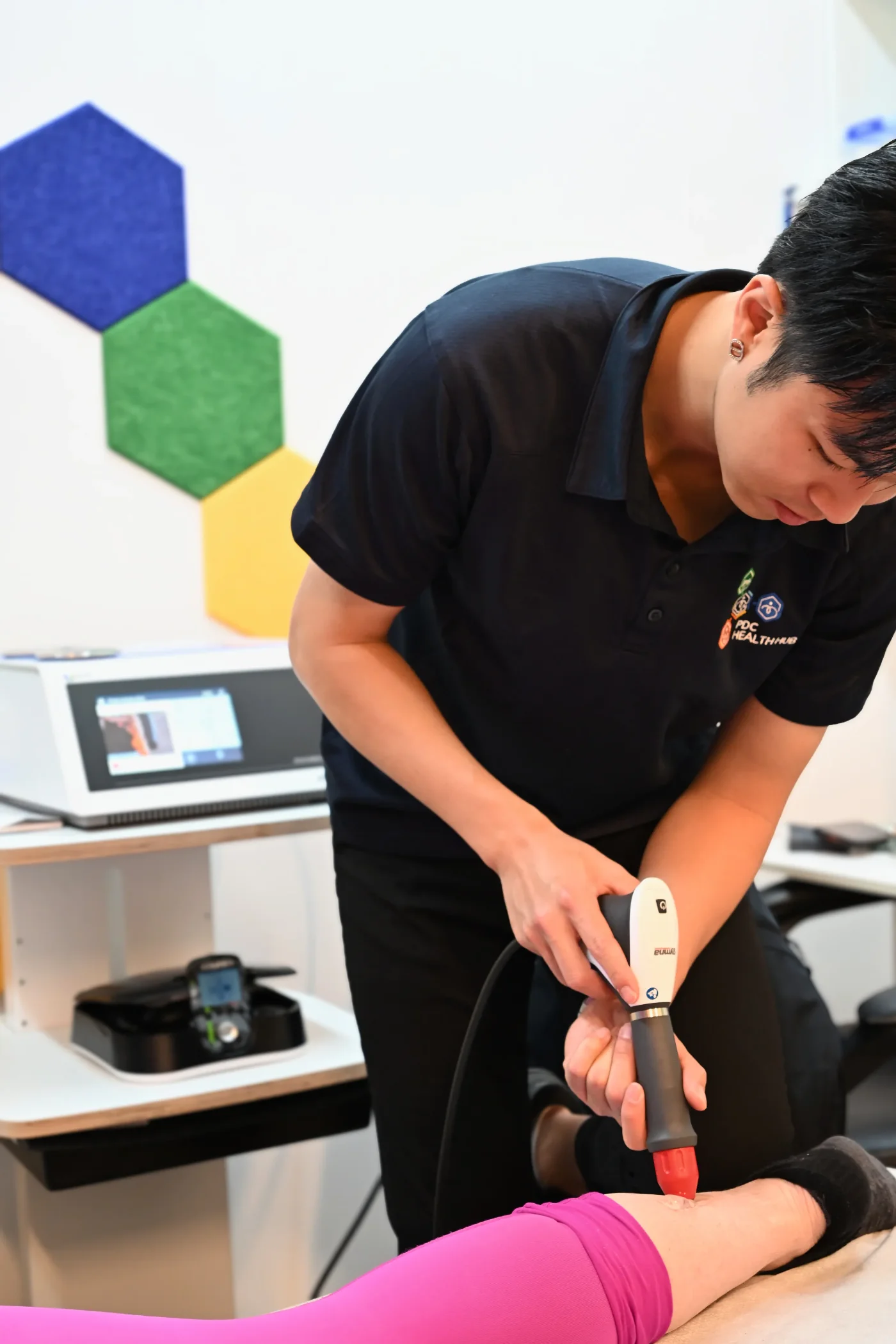
PHOTO NEEDED · Add a Hero Image to this condition in the CMS: a PDC clinician with a client, natural light, no identifiable health information on screen
Symptoms are a guide, not a diagnosis. Your GP confirms the diagnosis; our team helps you manage it day to day.
The teams and services that most often support people with this condition. They work from one shared plan, and one GP referral reaches all of them.

Our care follows current Australian consumer guidance on flat feet and international reviews of foot orthoses, used where Australian clinical guidance is limited.
Not if they cause no pain or problems. Many people have flat feet and never need care. Treatment is considered when flat feet cause pain, tiredness, stiffness or trouble walking, and then it usually starts with supportive footwear, exercises and sometimes orthoses.
Flat feet are normal in babies and young children, and most grow out of them. Some children keep a lower arch, which is usually fine if it is painless. See a doctor or podiatrist if your child has foot pain when walking, or if only one foot is flat.
Only if your feet cause problems. Some adults with painful flat feet report less pain with orthoses, though research has not shown they help everyone, and they are usually used alongside supportive shoes and exercises. Children with painless flexible flat feet do not routinely need inserts, as they do not change how the arch develops.
See a podiatrist or doctor if flat feet are painful, make walking difficult, feel stiff, or affect only one foot. For children, get advice if they have foot pain when walking, or if a child under 8 falls often.
No referral is needed for private appointments. A Medicare rebate needs a GP Chronic Condition Management Plan and a GP referral, and applies to up to five eligible allied health services a calendar year. Private health extras often cover podiatry, and DVA or NDIS funding may apply in some cases.
Tell us what is going on and we will point you to the right discipline, or to more than one. Most people start with a single appointment and leave with a plan the rest of the team can see.
Or go straight to a service
Phone (08) 6110 0570 · Medicare, NDIS, DVA and private options across our services
For GPs and health professionals
Send an online referral in under two minutes. One referral reaches every discipline at PDC Health Hub.
