Follow us

Search
For health professionalsContact usPress Enter to search. For products, try the shop filter.
 (08) 6110 0570
 admin@pdchealthhub.com.au
Press Enter to search. For products, try the shop filter.
(08) 6110 0570admin@pdchealthhub.com.auA bunion is a bony lump on the big toe joint, as the toe leans towards the other toes. Care aims at comfort rather than straightening, and surgery is a surgeon's decision after referral.
A bunion (hallux valgus) is a bony lump that forms on the joint of your big toe, which leans towards the other toes so the joint sticks out over time.1 The cause is not fully understood. Foot shape and structure can be inherited, and many people with bunions have a family history, while rheumatoid arthritis, osteoarthritis and foot injuries also contribute and narrow, tight shoes raise the risk.1 Typical symptoms are changes in the shape of the toes and feet, pain and stiffness in shoes, pain on walking, redness and inflammation of the joint, and hard, thick skin over the bump.1
Conservative care aims at comfort, not realignment, because bunions often get worse with time rather than better.1 What helps is comfortable, soft, wide shoes that let the toes spread, avoiding high heels, keeping the joints moving with exercises a podiatrist or physiotherapist can recommend, and shoe inserts or bunion splints advised by a podiatrist.1 Padding over the bunion, or a toe spacer, can ease rubbing pain.2 Anti inflammatory medicines and joint injections are decisions for your GP.1 See a doctor or podiatrist if you have bunions and diabetes, because foot problems can be more serious, and foot checks run more often as risk rises.4,5
Surgery is considered when other treatments have not helped or the bunion keeps getting worse, and the aim is to straighten the big toe so the foot fits better in ordinary shoes.1,2 The surgeon decides which procedure is likely and talks through what is involved, with risks that include nerve damage, bone healing problems, loss of big toe movement and ongoing pain, and the deformity can return.1,2 Swelling may take six weeks or longer to settle enough for a normal soft shoe.2 PDC does not perform bunion surgery and refers through your GP. Our podiatrists prescribe inserts for your shoes,3 and no referral is needed to book.
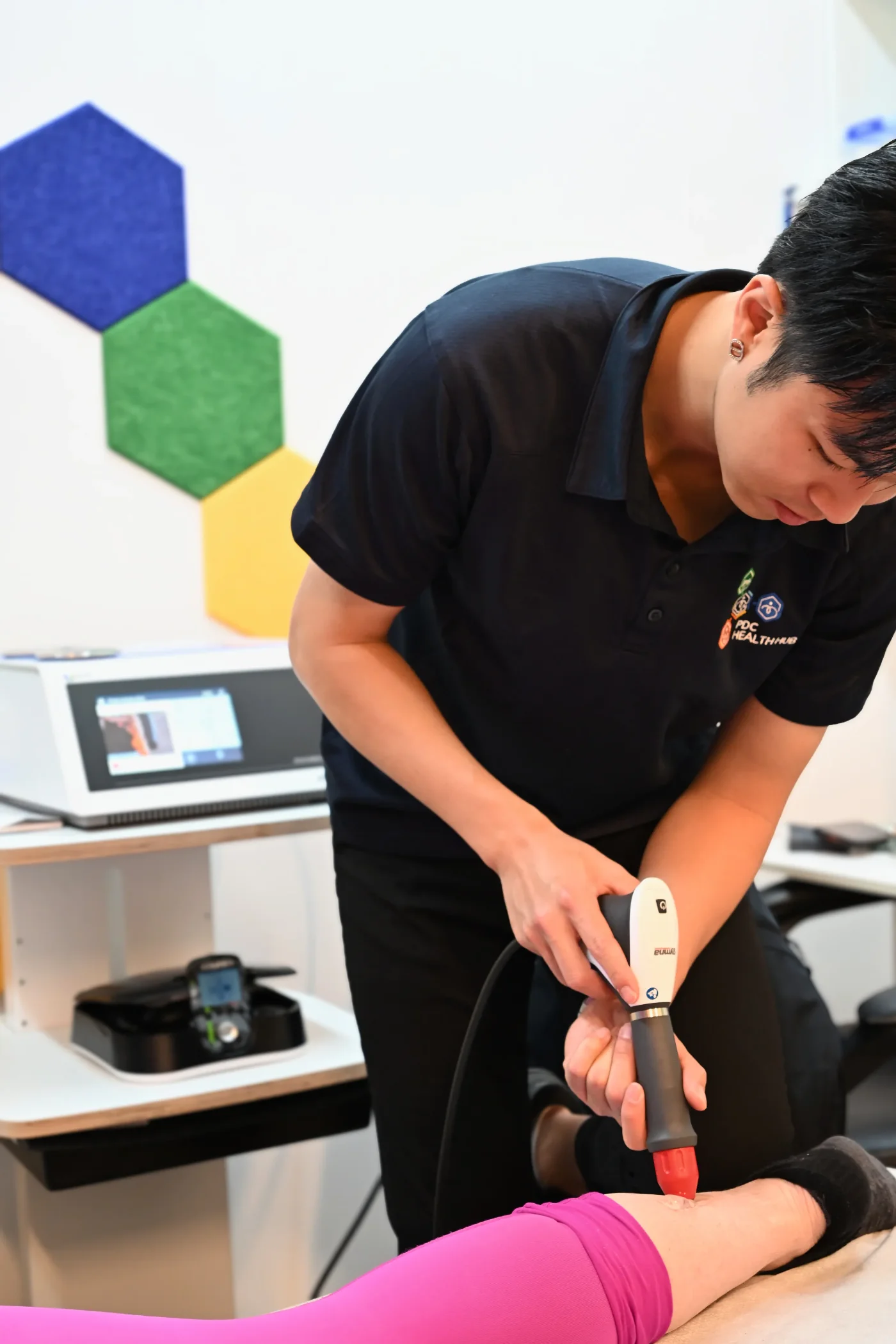
PHOTO NEEDED · Add a Hero Image to this condition in the CMS: a PDC clinician with a client, natural light, no identifiable health information on screen
Symptoms are a guide, not a diagnosis. Your GP confirms the diagnosis; our team helps you manage it day to day.
The teams and services that most often support people with this condition. They work from one shared plan, and one GP referral reaches all of them.


This page follows Australian guidance: Healthdirect on bunions and bunion surgery, and the RACGP Management of type 2 diabetes handbook together with NDSS foot health guidance where diabetes raises the risk of skin breakdown over a bunion.
Not straightened, no. Conservative care targets pain, rubbing and function, and it is still worthwhile: wide, soft shoes that let the toes spread, no high heels, padding or a toe spacer, exercises to keep the joint moving, and inserts or orthoses. Bunions often get worse over time, so the goal is comfort and keeping you walking.
Splints and shoe inserts can help symptoms and are worth trying on a podiatrist's advice, but they do not realign the toe permanently. If a splint is painful or leaves the joint stiffer, stop and have it reviewed. We would usually change your shoes first, because footwear does most of the work.
That is a surgeon's decision, not ours. Surgery is considered when other treatments have not helped or the bunion keeps getting worse, and the aim is a foot that fits an ordinary shoe. Recovery is not quick, swelling can take six weeks or longer to settle enough for a soft shoe, and the deformity can come back.
Shoes that are wide and deep enough that the toes are not squeezed, soft over the lump, with a low heel. Avoid high heels, because they put pressure on your toes. Leave enough room that your longest toe is not touching the front of the shoe, and bring the shoes you wear most to your appointment so we can check them on your feet.
Yes, it raises the stakes, and Healthdirect advises seeing a doctor or podiatrist if you have bunions and diabetes, because foot problems can be more serious. Pressure over a bunion can thicken the skin and then break it, and with reduced feeling or blood flow that can become an ulcer. We measure circulation, keep the skin under control, and set a foot check interval that matches your risk.
Tell us what is going on and we will point you to the right discipline, or to more than one. Most people start with a single appointment and leave with a plan the rest of the team can see.
Or go straight to a service
Phone (08) 6110 0570 · Medicare, NDIS, DVA and private options across our services
For GPs and health professionals
Send an online referral in under two minutes. One referral reaches every discipline at PDC Health Hub.
