Follow us

Search
For health professionalsContact usPress Enter to search. For products, try the shop filter.
 (08) 6110 0570
 admin@pdchealthhub.com.au
Press Enter to search. For products, try the shop filter.
(08) 6110 0570admin@pdchealthhub.com.auPost-transplant diabetes is diabetes that starts after a solid organ transplant, mostly because the medicines that stop rejection also push blood glucose up. It is treatable.
Post-transplant diabetes mellitus (PTDM) is diabetes diagnosed after a solid organ transplant, such as a kidney, liver, heart or lung. It is also called new onset diabetes after transplantation.1 The medicines that stop your body rejecting the new organ are the main reason it happens, and the effect depends on the dose.1 Corticosteroids such as prednisolone raise glucose by blocking the action of insulin and prompting the liver to release more glucose.1,3 Tacrolimus has a stronger effect on glucose than cyclosporin, the other main anti-rejection medicine of its type.1
This is not type 1 diabetes. It behaves more like type 2, with insulin resistance and reduced insulin output together, but the trigger is the transplant and the medicines that come with it.1 Glucose often runs high in the first weeks after surgery and then settles, so the label is usually not applied until about 45 days have passed.1 Most cases appear within the first three months, although some turn up years later, which is why glucose is checked every year.1 It matters for the new organ as well, because it is linked with more infection and a higher risk of graft failure.1,2
Care sits with your transplant unit, usually with an endocrinologist, and your GP shares the ongoing checks and the yearly complication screening.1 Insulin is often used in the early weeks, then treatment is matched to your steroid dose and your own glucose pattern.1,2 Any change to your anti-rejection medicines is a decision for the transplant team, because keeping the graft working comes first.2 PDC does not diagnose or prescribe. We take on the practical side: using a meter or sensor, reading your patterns, and knowing what to do when a prednisolone dose changes.
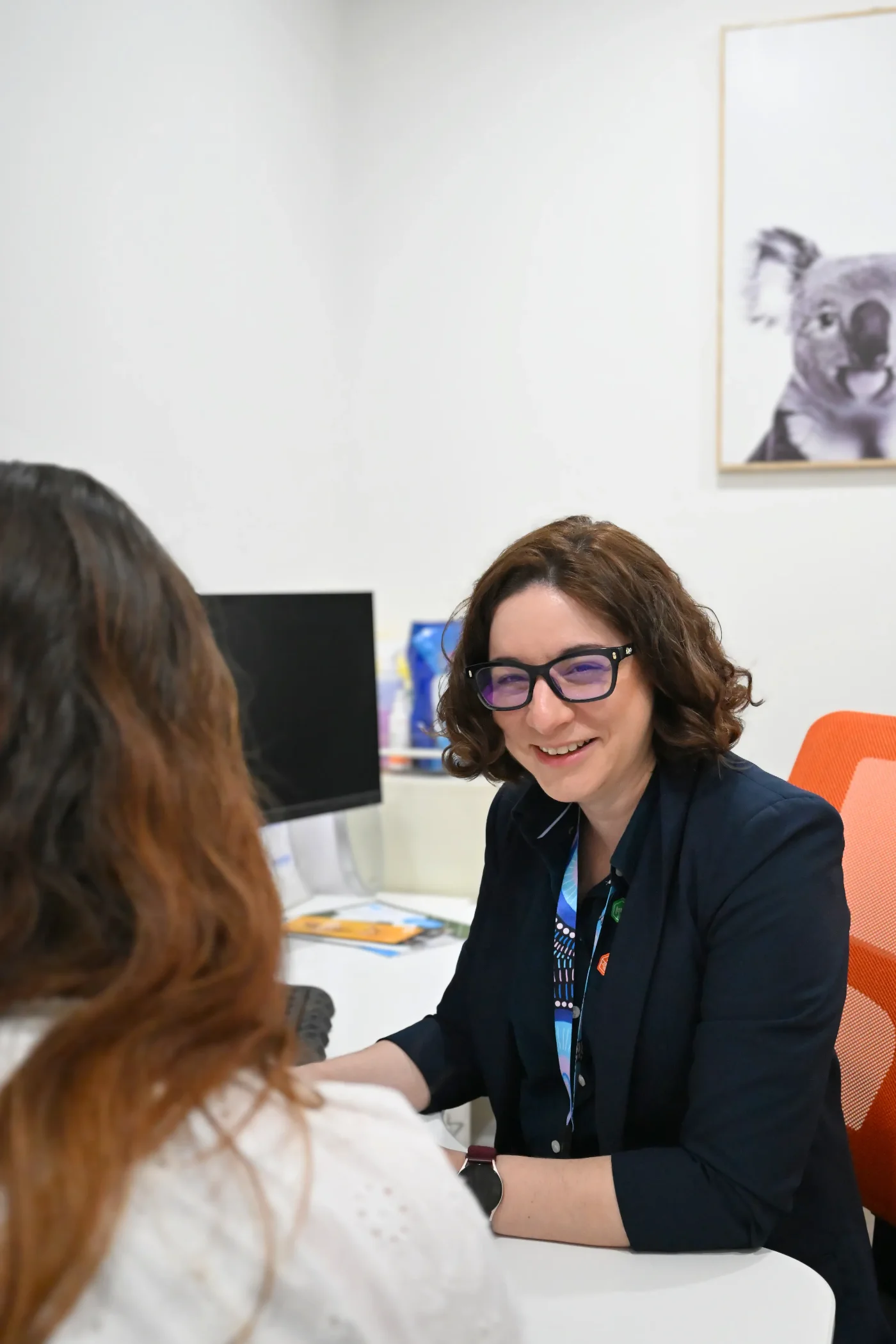
PHOTO NEEDED · Add a Hero Image to this condition in the CMS: a PDC clinician with a client, natural light, no identifiable health information on screen

Symptoms are a guide, not a diagnosis. Your GP confirms the diagnosis; our team helps you manage it day to day.
The teams and services that most often support people with this condition. They work from one shared plan, and one GP referral reaches all of them.


This page follows the Australian review of post-transplant diabetes mellitus published in Endocrinology Today in 2024, with symptom and emergency advice from Healthdirect. Australian consumer guidance on this condition is limited, so the 2024 International Consensus on post-transplantation diabetes mellitus is used where Australian sources are silent, and that is noted in the text.
No. It is largely a side effect of the medicines that keep the new organ working, combined with your own risk factors. It does raise the risk of infection and of graft problems over time, which is exactly why it is treated rather than watched. Your transplant unit keeps an eye on both the graft and the glucose.
Often not. Insulin is commonly used in the first weeks because glucose runs high while steroid doses are high. As prednisolone comes down, insulin sensitivity usually improves and many people move to tablets or need less treatment. That decision belongs to your transplant team and endocrinologist, and we help you gather the glucose data they need.
That is never a decision we make. International consensus advises against routinely switching anti-rejection medicines just to reduce diabetes risk, because graft and patient survival come first. Your transplant team may still adjust doses or medicines for their own reasons, and your glucose can shift when they do, so tell us when something changes.
Glucose often runs high in the first weeks after surgery without that meaning you have diabetes. A diagnosis is usually not made until about 45 days after the transplant. Most cases show up within the first three months, so you will be checked often early on, then at least once a year for as long as you have the graft.
Your transplant unit sets the plan and does the prescribing. A Credentialled Diabetes Educator gives you the time to learn the day to day part: using a meter or a continuous glucose monitor, reading your own patterns, injecting insulin properly, and knowing what to expect when a steroid dose changes. We write back to your GP and your transplant team so everyone is working from the same information.
Tell us what is going on and we will point you to the right discipline, or to more than one. Most people start with a single appointment and leave with a plan the rest of the team can see.
Or go straight to a service
Phone (08) 6110 0570 · Medicare, NDIS, DVA and private options across our services
For GPs and health professionals
Send an online referral in under two minutes. One referral reaches every discipline at PDC Health Hub.
