Follow us

Search
For health professionalsContact usPress Enter to search. For products, try the shop filter.
 (08) 6110 0570
 admin@pdchealthhub.com.au
Press Enter to search. For products, try the shop filter.
(08) 6110 0570admin@pdchealthhub.com.auHigh cholesterol usually has no symptoms and is found on a blood test. Our dietitians help you swap saturated fat for unsaturated fat and eat for heart health.
Cholesterol is a type of fat made by your body and found in some foods. Too much LDL, the so called bad cholesterol, can build up in artery walls and raise the risk of heart attack and stroke.1 It usually causes no symptoms and is found through a blood test, so checks matter, especially from age 45, from 30 for Aboriginal and Torres Strait Islander people, or if heart disease or high cholesterol runs in your family.1 Learn the warning signs of a heart attack, which need a call to 000.4
The Heart Foundation recommends an eating pattern rich in vegetables, fruit, wholegrains, legumes, fish, nuts and seeds, with saturated fat replaced by unsaturated fats such as olive oil, nuts and oily fish.2 Soluble fibre from oats, beans and vegetables, and foods fortified with plant sterols, can also help lower LDL cholesterol.1,2 Food changes work alongside, not instead of, prescribed lipid-lowering medicines such as statins, which are recommended when your overall cardiovascular risk is higher.1,3 Never stop a medicine without talking to your doctor.
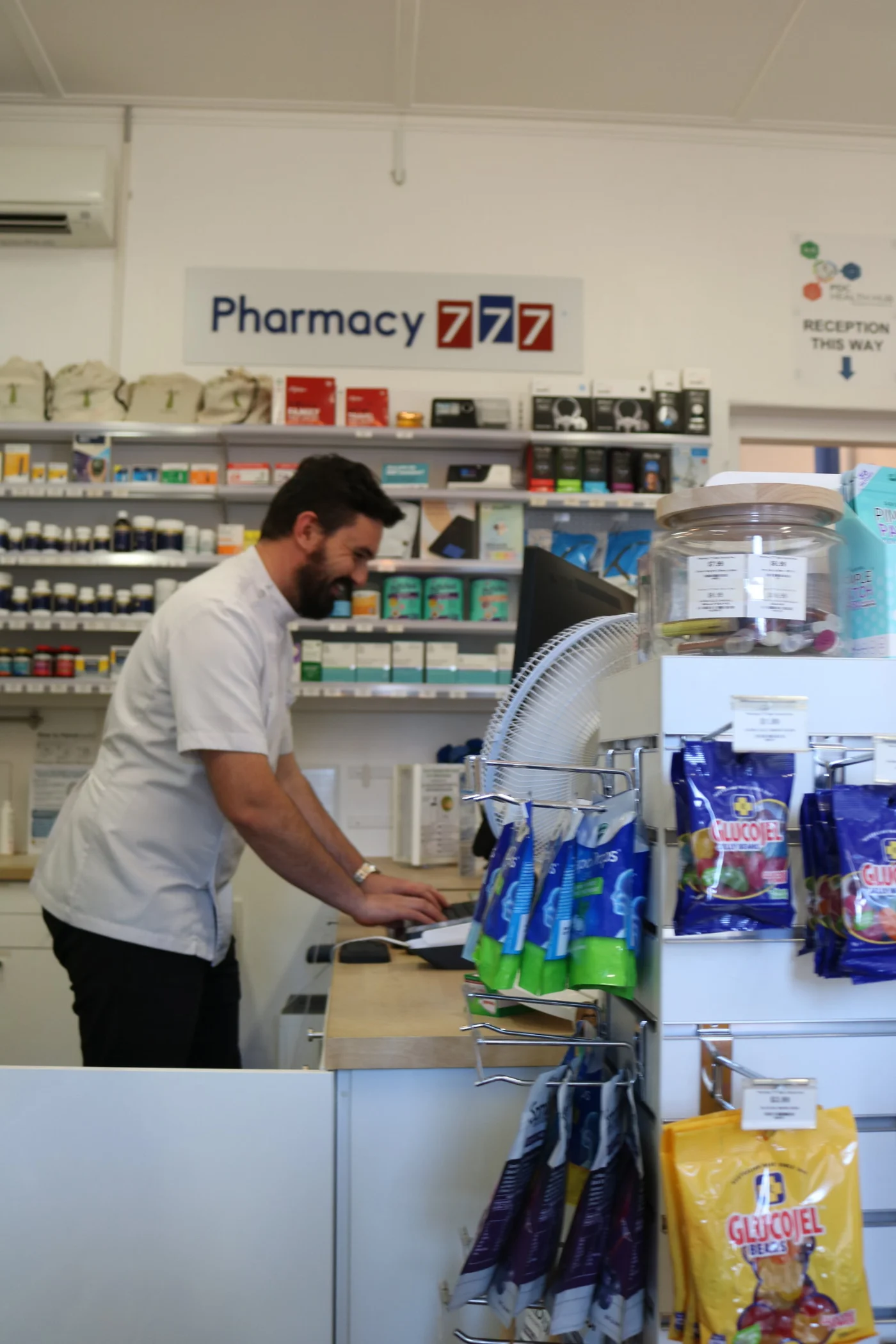
PHOTO NEEDED · Add a Hero Image to this condition in the CMS: a PDC clinician with a client, natural light, no identifiable health information on screen
Symptoms are a guide, not a diagnosis. Your GP confirms the diagnosis; our team helps you manage it day to day.
The teams and services that most often support people with this condition. They work from one shared plan, and one GP referral reaches all of them.


Our care follows the Heart Foundation dietary fat position statement and the 2023 Australian guideline for assessing and managing cardiovascular disease risk.
No. Healthy eating works alongside prescribed cholesterol medicines, not instead of them. Never stop or change a statin without talking to your doctor. We work with your GP and pharmacist so your eating plan supports your treatment.
Aim to replace saturated fat, from fatty meats, butter, baked goods and fried foods, with unsaturated fats such as olive oil, nuts, seeds, avocado and oily fish. We help you make swaps that suit your cooking and tastes.
Foods fortified with plant sterols, around 2 to 3 grams a day, can help lower LDL cholesterol as an addition to healthy eating and medicines. We help you work out whether they suit you and fit your budget.
Changing what you eat can help lower LDL cholesterol, but responses differ and we cannot promise a particular result. Your GP will repeat blood tests to see how things are going, and we adjust your plan from there.
No referral is needed for private appointments. A Medicare rebate needs a GP Chronic Condition Management Plan and a GP referral, and applies to up to five eligible allied health services a calendar year. Private health extras, NDIS or DVA funding may also apply, so ask us when you book.
Tell us what is going on and we will point you to the right discipline, or to more than one. Most people start with a single appointment and leave with a plan the rest of the team can see.
Or go straight to a service
Phone (08) 6110 0570 · Medicare, NDIS, DVA and private options across our services
For GPs and health professionals
Send an online referral in under two minutes. One referral reaches every discipline at PDC Health Hub.
